Gen Z waves the One Piece flag to sabotage governments
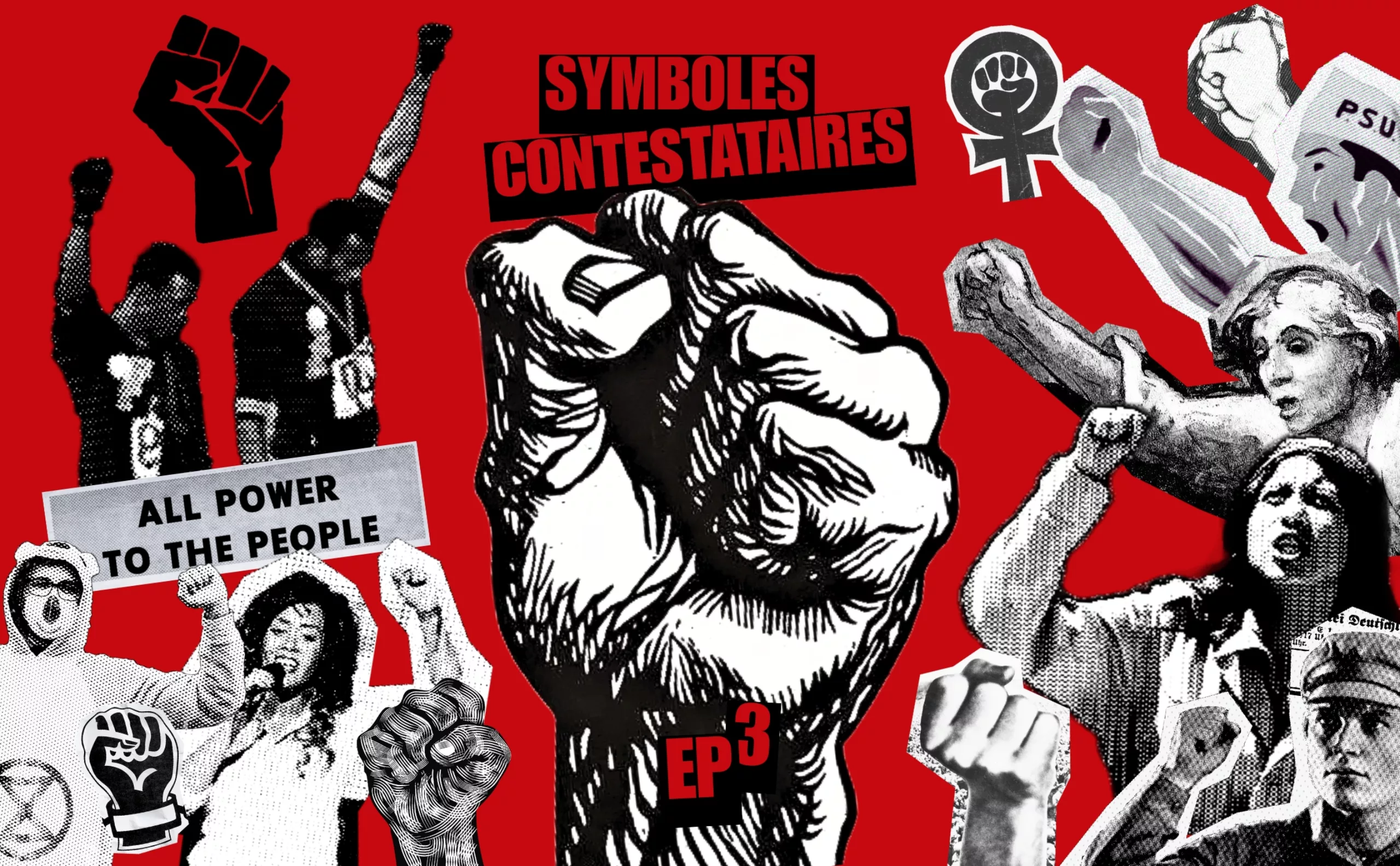
We used to see the classic banners of protest and resistance flying around the world, the eternal red flags, flanked by historical symbols and other five-pointed stars.
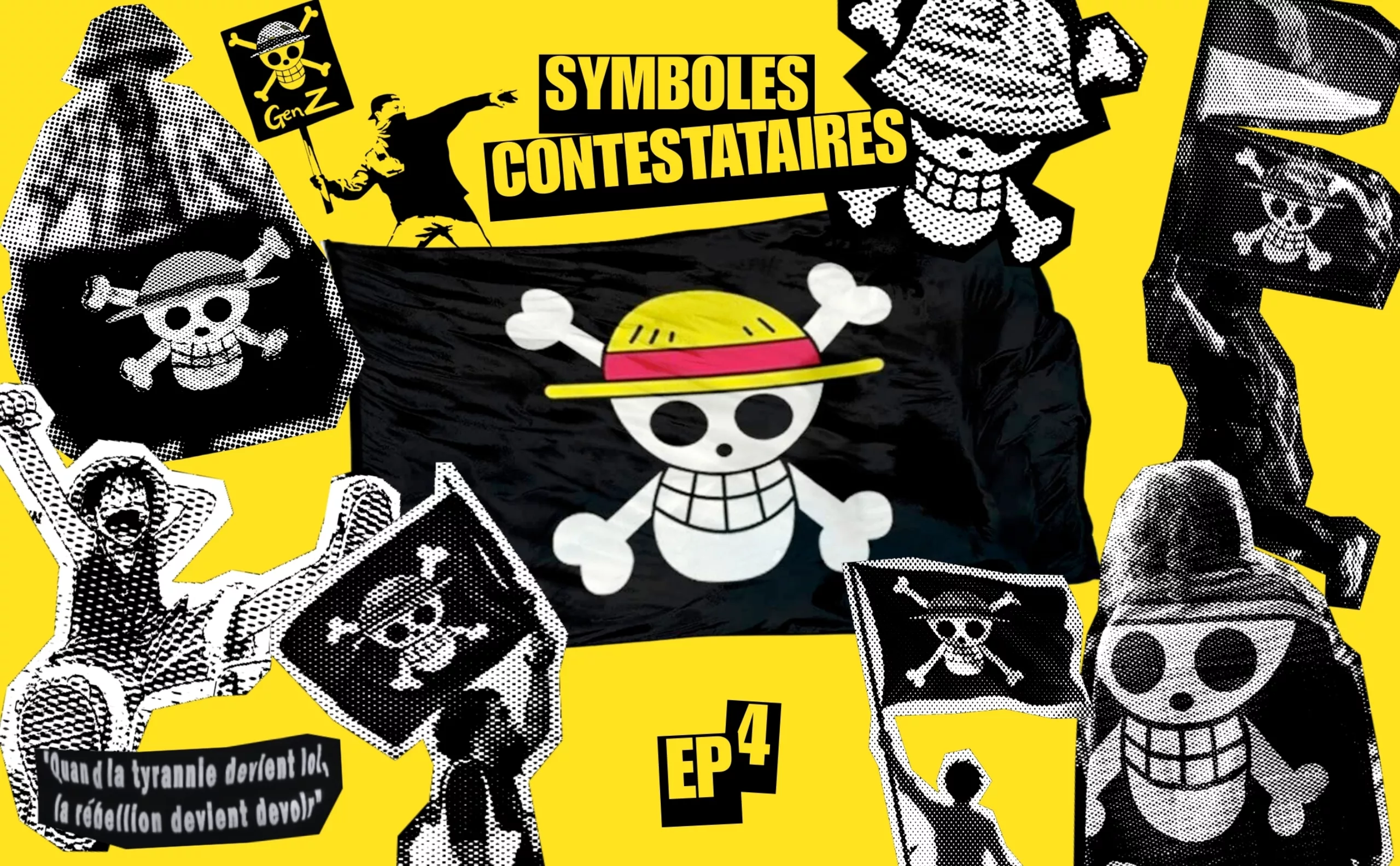
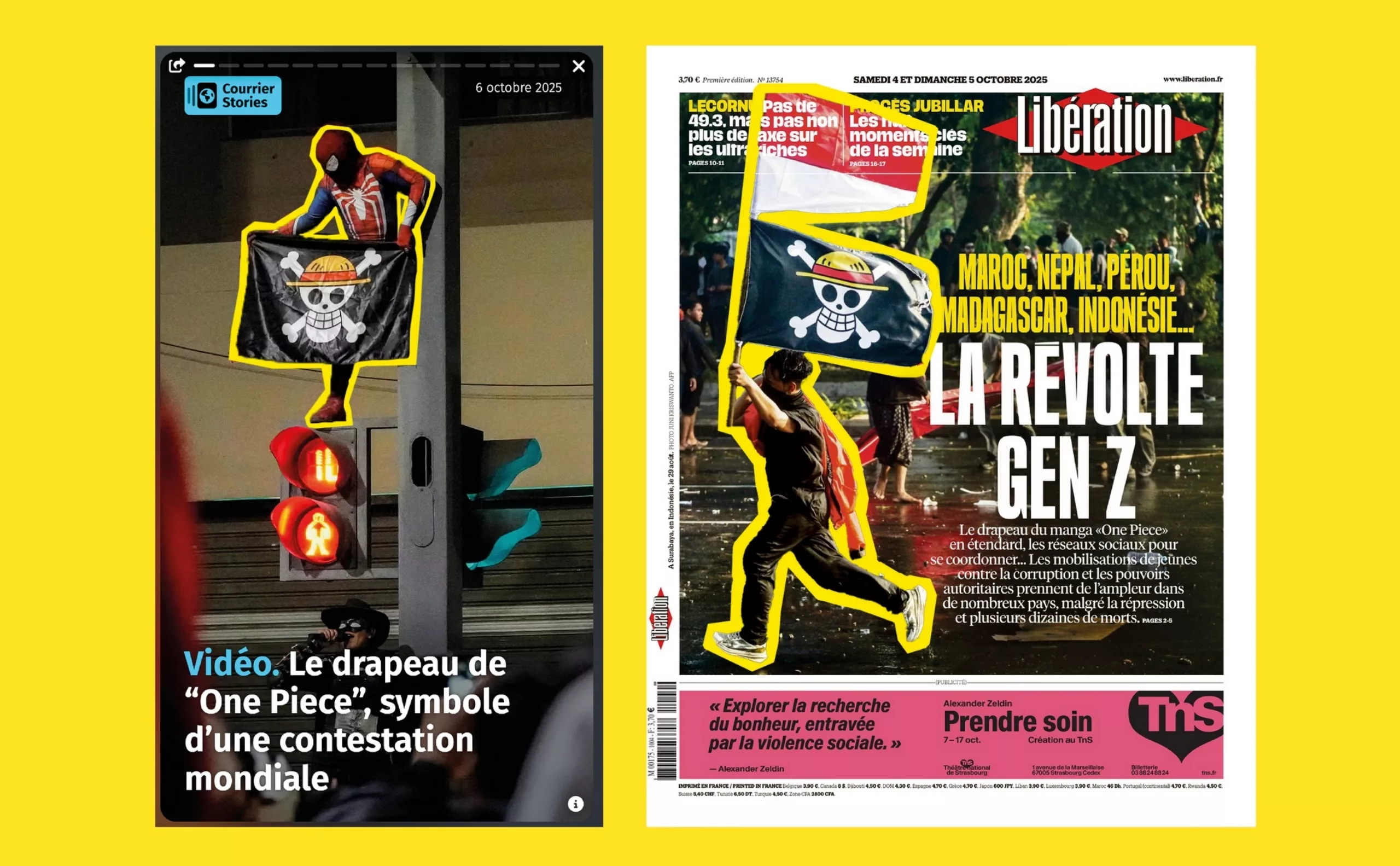
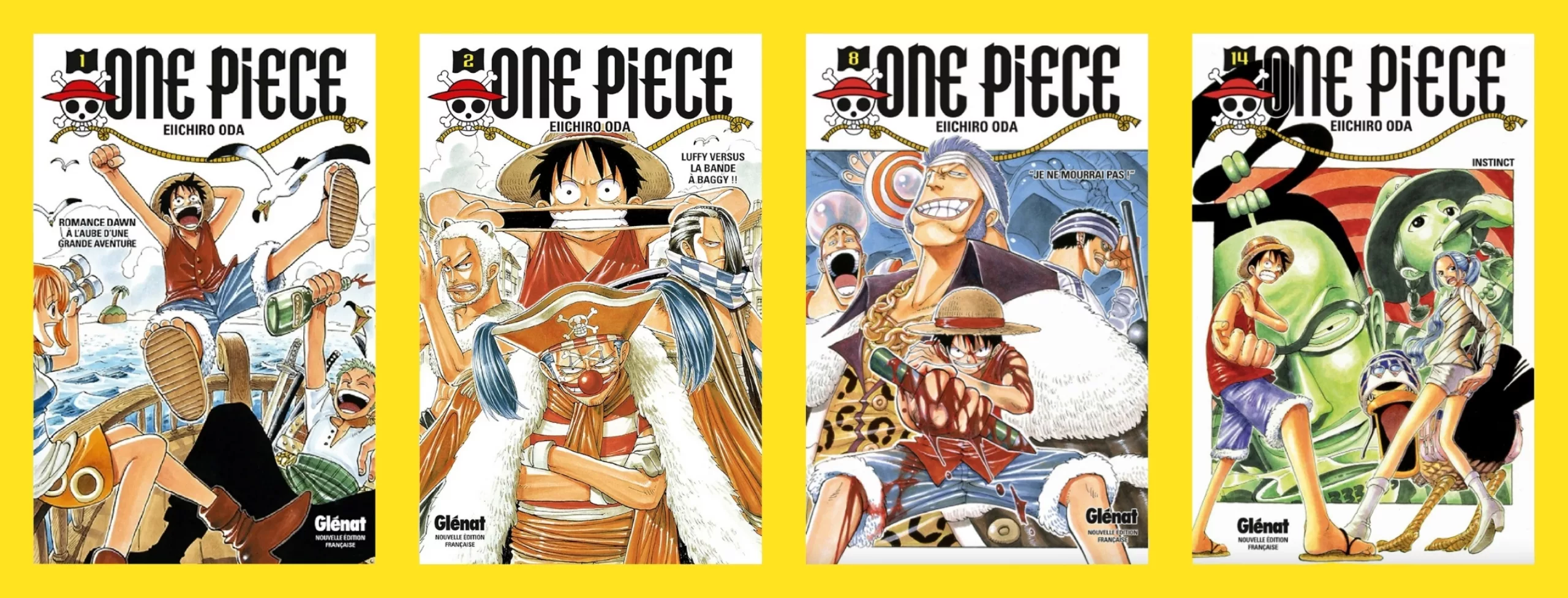
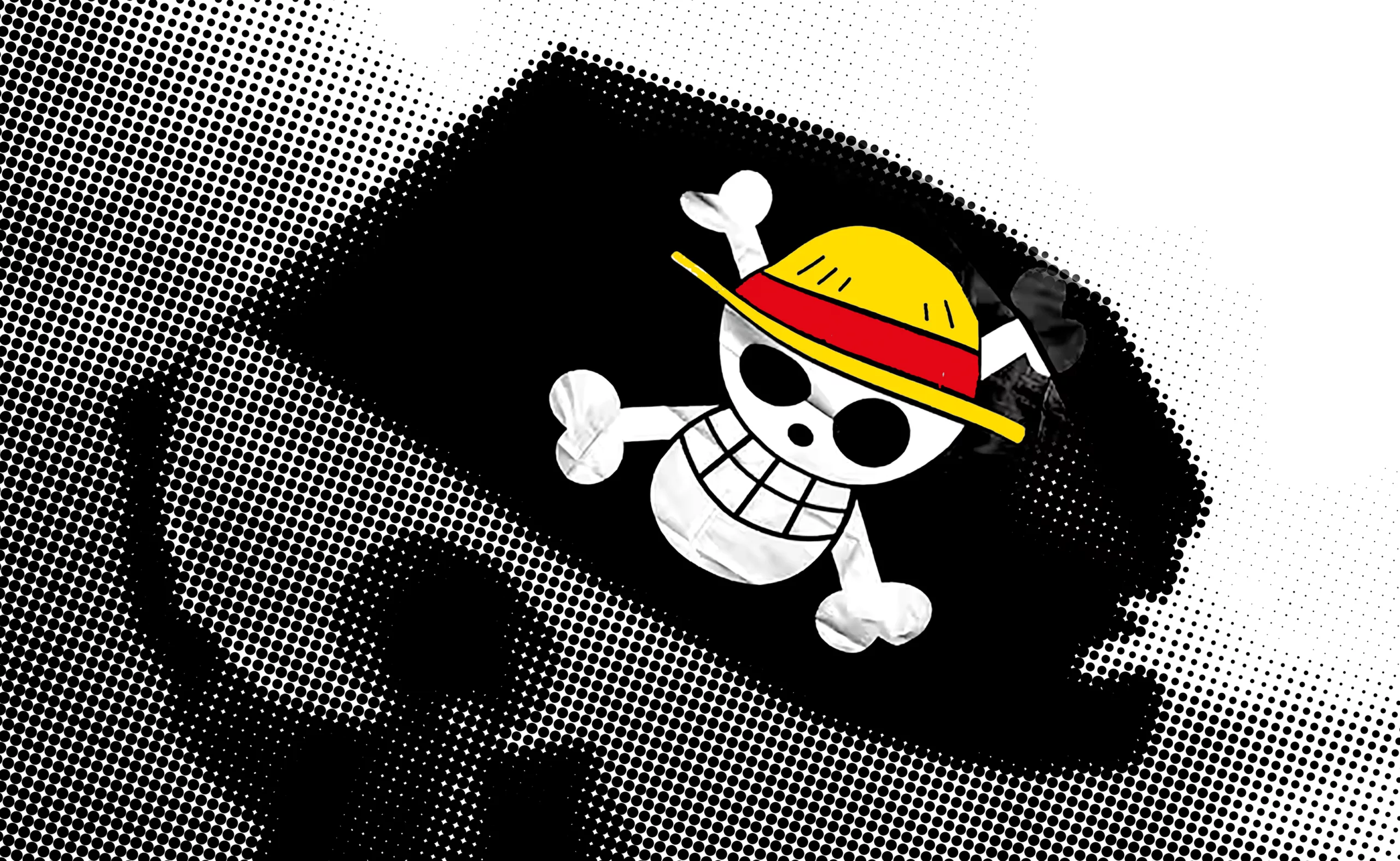
Then this summer, in Indonesia, Madagascar, the Philippines, Morocco and even France, a flag appeared that was instantly recognisable: the flag from the manga One Piece. In just a few weeks, the One Piece flag has become the standard-bearer for Gen Z, those born between the late 1990s and early 2010s.
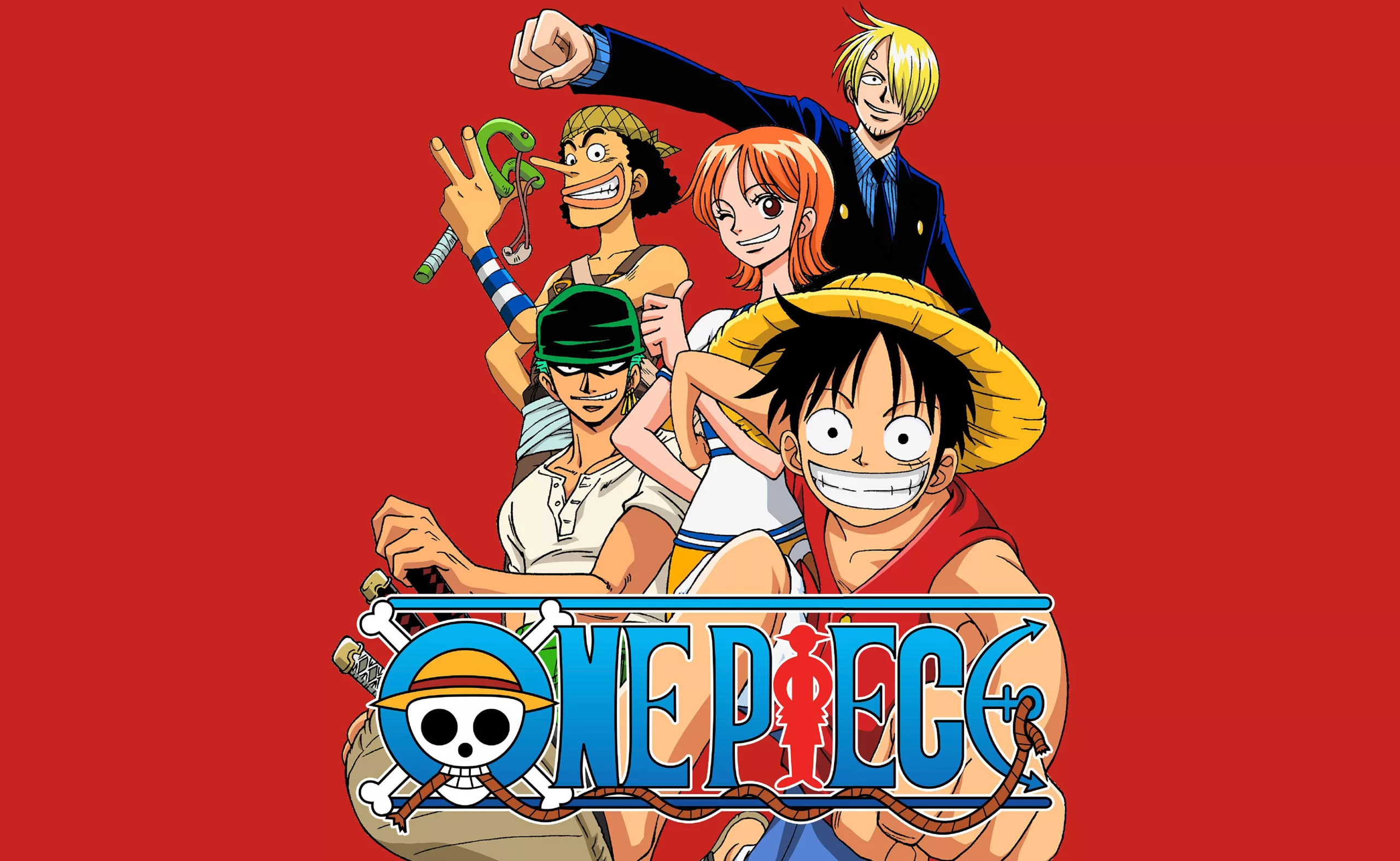
One Piece is a manga created by Eiichirō Oda in 1997. Luffy, the hero, is searching for a treasure called the ‘One Piece’ to become the Pirate King, hence the customised black Jolly Roger flag featuring a skull wearing a straw hat.
A symbol of Gen Z, the One Piece flag is causing a sensation around the world
– One Piece is the best-selling manga in the world (110 volumes, 530 million copies sold). Luffy’s flag is a true universal symbol.
– Behind its pirate story, One Piece is fuelled by political issues.
Throughout the story, Luffy symbolises rebellion and justice in the face of a corrupt and monopolistic central power. Reality mirrors the manga’s narrative.
– For 28 years, an entire generation has grown up reading One Piece. For some young people, Luffy is ‘almost’ a member of their family.
– Visually, Luffy’s flag is one of the most recognisable symbols of pop culture. Easy to reproduce, it circulates widely on social media. In Madagascar, his straw hat has been replaced by the traditional raffia hat.
– Finally, the One Piece flag speaks to Gen Z’s digital culture. Their political exchanges are based on networks of digital engagement. The solidarity of young protesters, regardless of their country or language, is fuelled by a shared cultural reference rather than membership in a party or traditional organisations.
Videos of Indonesian protesters waving the One Piece flag were widely shared around the world on TikTok and Instagram, giving them visibility far beyond their original circle.
This isn’t the first time pop culture has been incorporated into popular protest movements.
In 2010, Anonymous wore Guy Fawkes masks, the hero of V for Vendetta. In 2014 and 2021, many protesters in Thailand and Burma used the three-finger salute from The Hunger Games.
It seems that traditional political parties no longer represent the hopes of a generation that finds optimism, resilience and emancipation in the epic narratives of pop culture.
The Indonesian government has just banned the One Piece flag from protests, considering that displaying this flag was intended to destabilise and betray the nation. This has, on the contrary, led to an increase in its appearances: it is always forbidden to forbid.
Written by: François Chevret
On the subject
-
Extinction Rebellion, committed to the living
The 1960s fought for peace; our generation is raising the symbol of Extinction Rebellion, committed to ending the extinction of the living.
-

Peace & Love ☮ the activist icon
How did the most politically charged and well-known symbol on earth become a commonplace fashion accessory?