COLLECTION 2 — Languages, Writing Systems, and Universal Communication
Before words, there were signs. From Sumerian pictograms to emojis, via lexigrams for monkeys, humanity has constantly devised systems to communicate with one another, beyond the confines of language. Here is an overview of the most ingenious attempts to create a universal language.
Writing with images: from pictographic writing to emojis
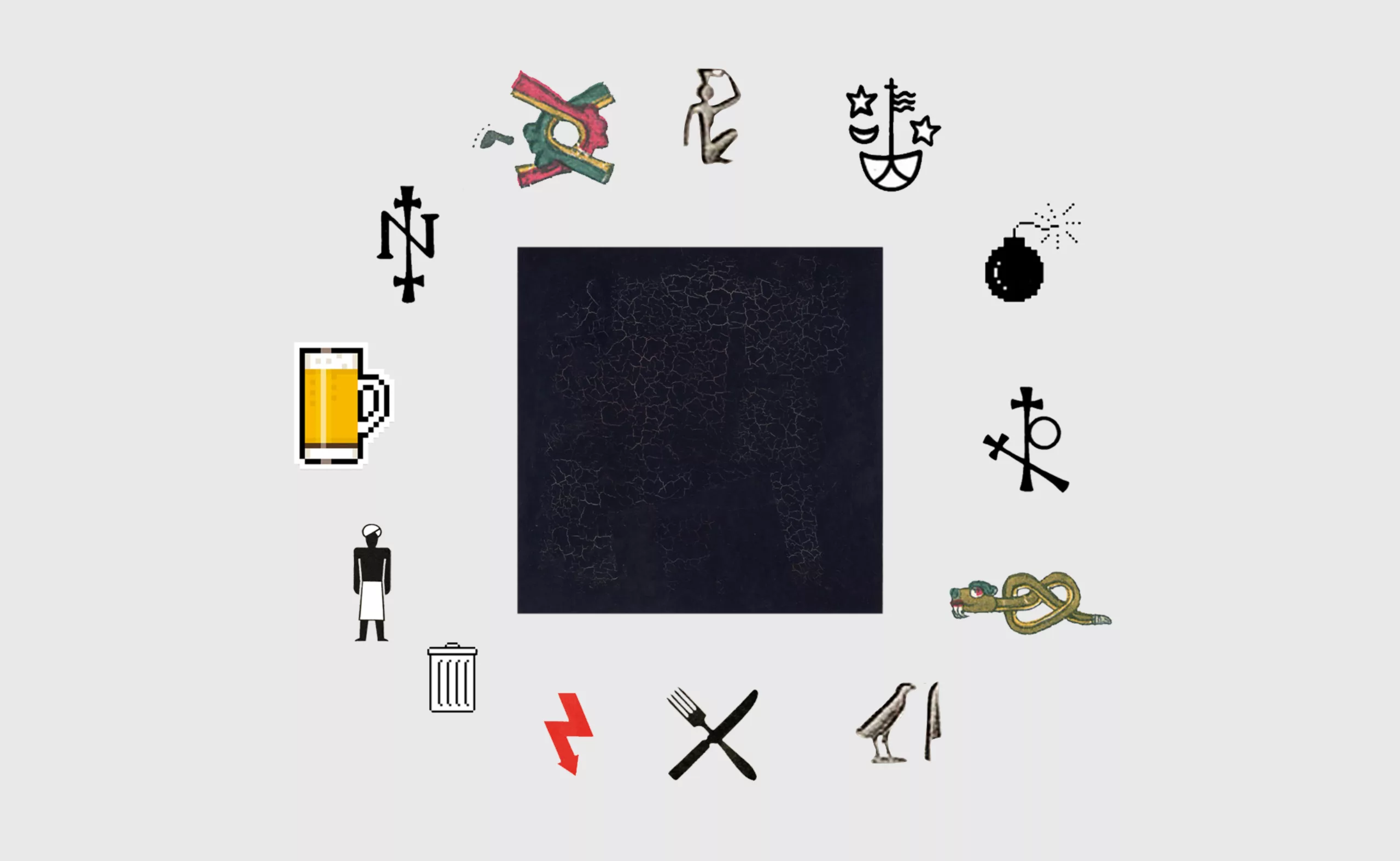
In the beginning, humanity drew the earliest forms of writing: pictographic scripts. The Sumerians carved minimalist symbols into clay, whilst Egyptian hieroglyphs combined pictograms and phonograms into ideograms that could be read like poems. In the 1920s, three Austrians created Isotype, a form of ‘statistics through images’ based on simplified symbols to make global data accessible to workers. This method would inspire road signage and the pictograms of the Olympic Games. Four decades later, Susan Kare would design the Macintosh computer icons for Steve Jobs, such as the paint pot, before the Japanese designer Shigetaka Kurita developed the first emojis for mobile phones in the late 1990s.
In search of a universal language: pasigraphy
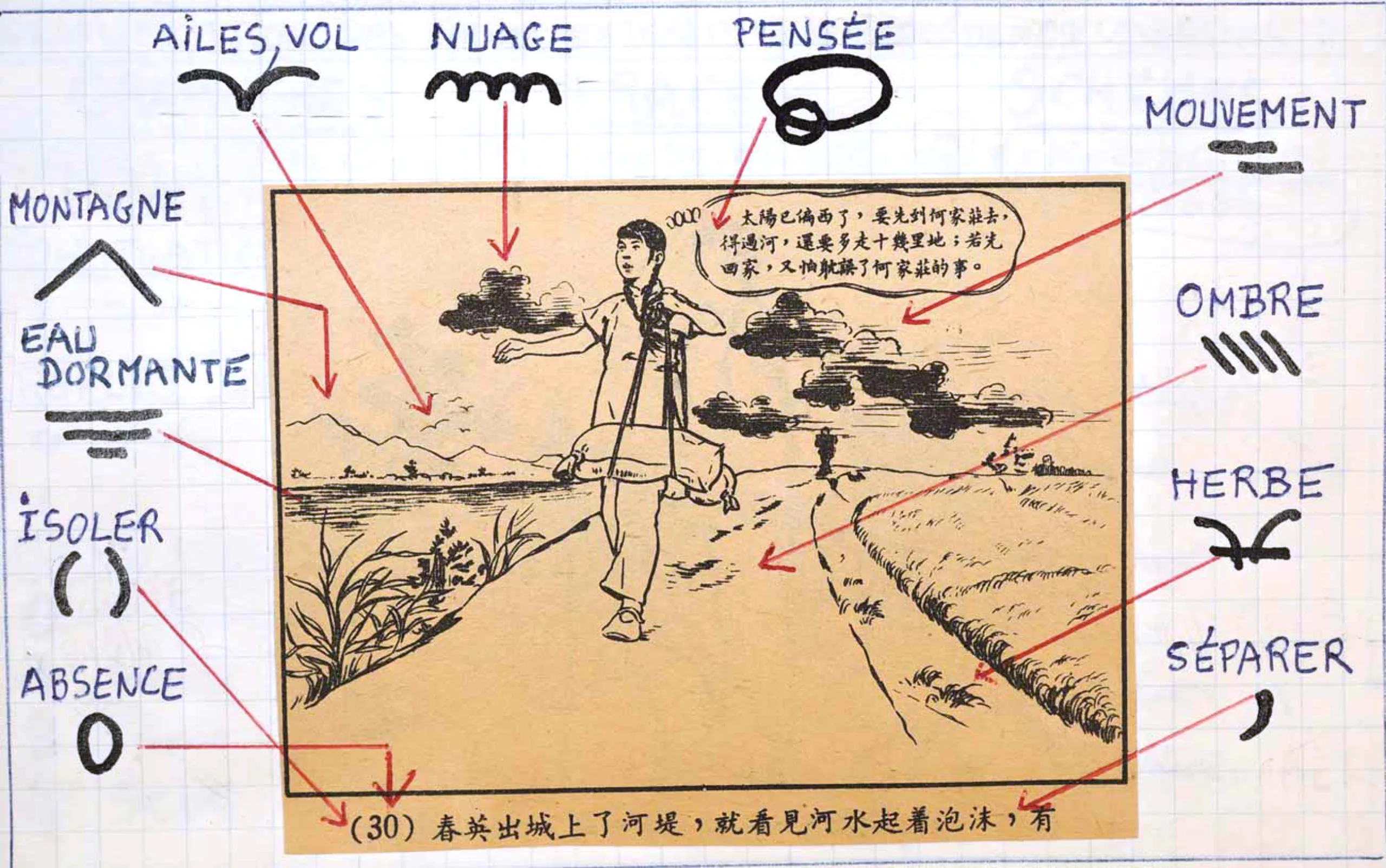
The search for a universal language dates back to the fall of the Roman Empire. As Umberto Eco writes, ‘either we look for it in the past, as the Original Adamic Language, (…) or we look for it in the future, by attempting to invent a philosophical language capable of reproducing the very structures of reason’. This is what the term ‘pasigraphy’ refers to, as writing systems legible in all languages. Some combine nature and mathematics, such as the Chinese I Ching; others, such as Didascalocophus, use the fingers to enable the deaf and mute to communicate. But it was Charles Bliss who, in 1949, invented the most sophisticated system: 50 basic symbols that can be combined into thousands of expressions, still used in American hospitals for patients who have lost the ability to speak.
Do you speak Yerkish, the monkey language?
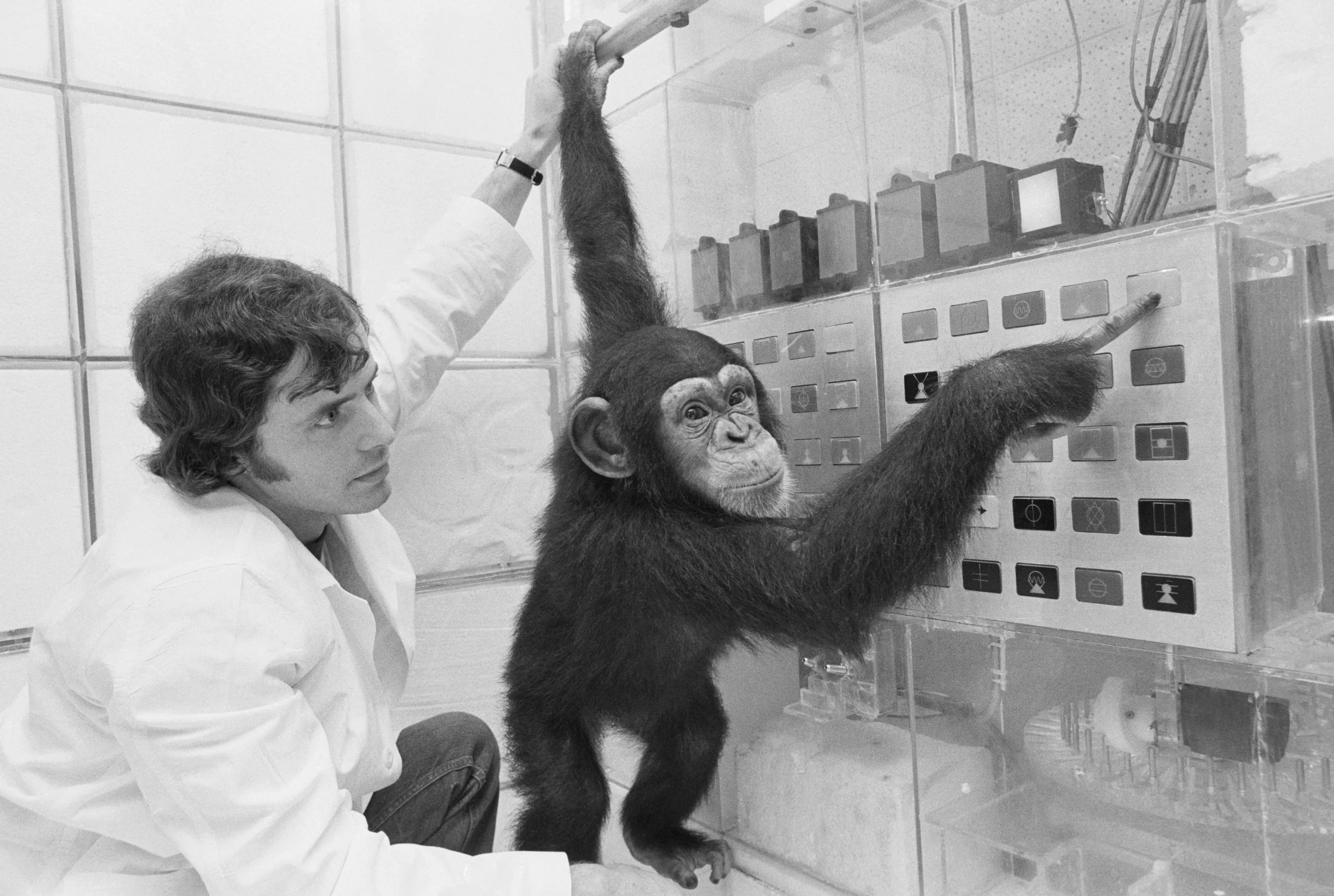
But human language is not the only one to attract interest. In the early 1970s, a researcher and a philosopher developed Yerkish, a visual language to communicate with apes. The female guenon Lana learnt to form sentences using geometric lexigrams to obtain M&Ms or music. In the 1980s, the bonobo Kanzi became a star: imitating his mother from an early age, he spontaneously mastered 400 yerkish signs – as many as a two-year-old child. Primatologist Sue Savage-Rumbaugh devoted 23 years at Georgia State University’s Language Research Centre to developing this technology for interspecies communication.
Unicode aims to preserve writing systems by standardising them
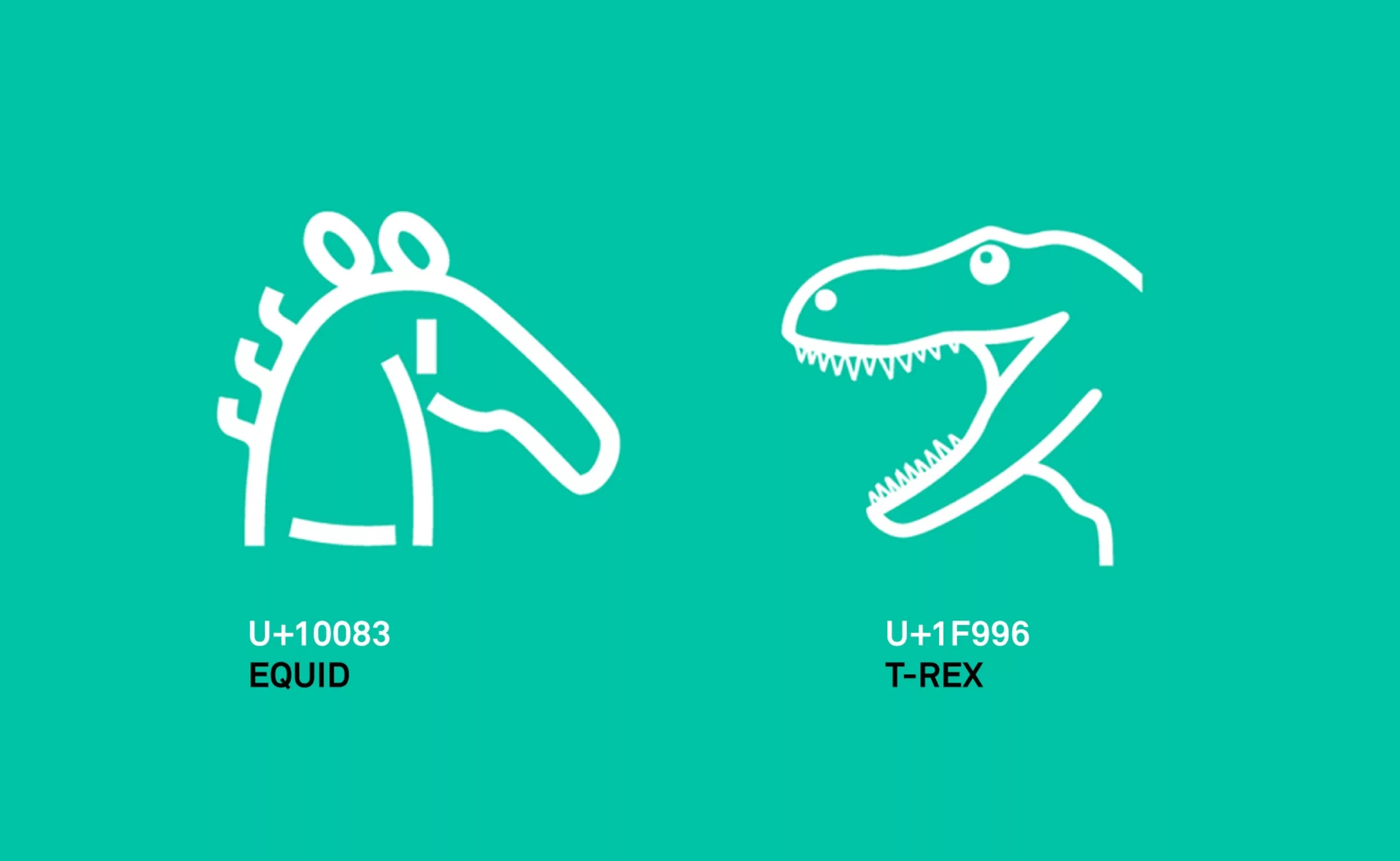
Created in 1991 to overcome the limitations of the American ASCII standard, Unicode provided a way of encoding characters and emoticons from around the world. The Script Encoding Initiative is based on 292 living or extinct writing systems, digitised in order to preserve them. It took the National Typographic Research Workshop in Nancy 18 months to produce 146 glyphs for missing or extinct languages, working in collaboration with local designers on Chinese, Korean and Japanese ideograms. Researchers sometimes alter the proportions of the characters to fit them into the standardised square – a questionable process of harmonisation that meets with cultural resistance.
Hobo signs, the secret language of America’s vagabonds
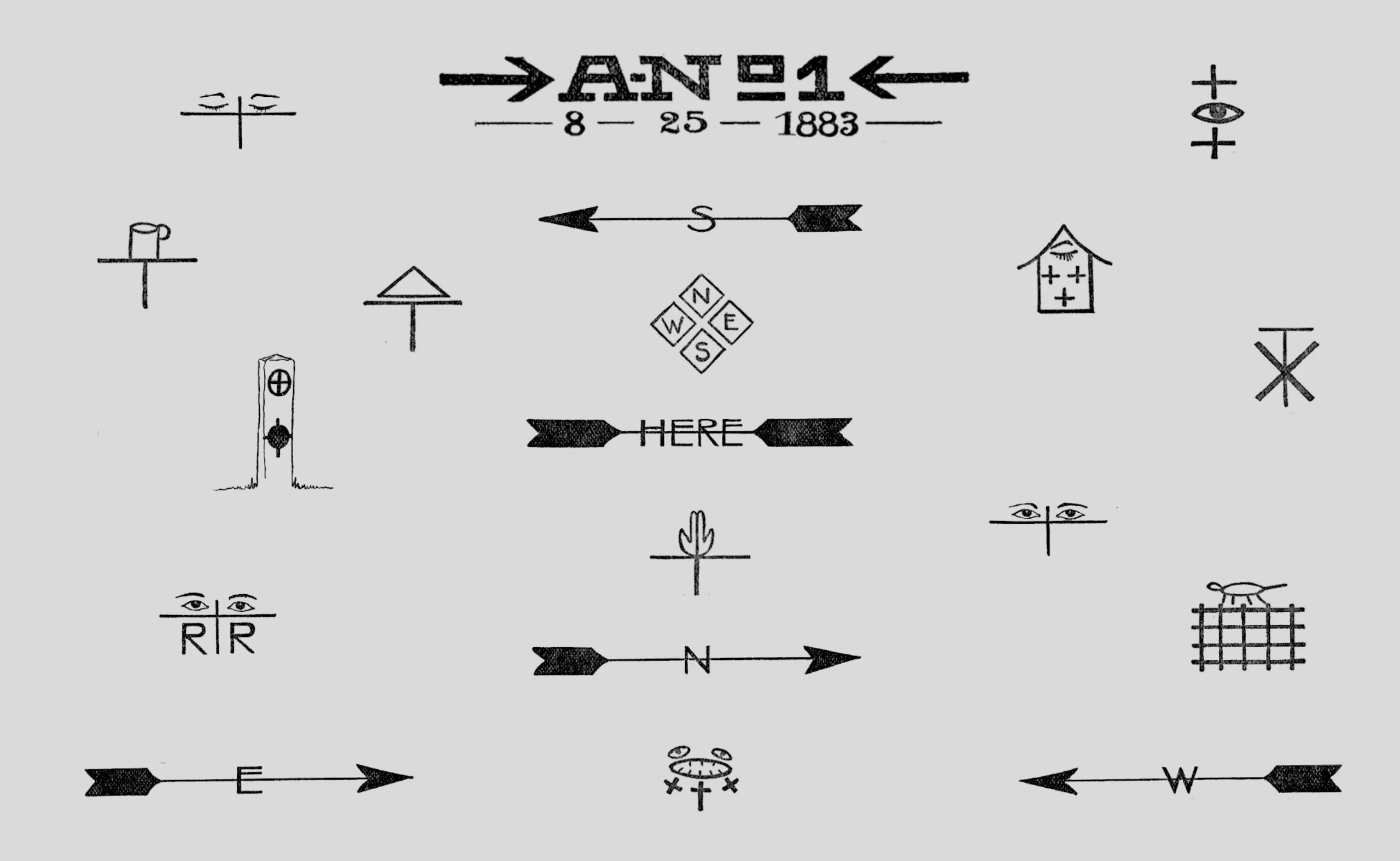
In the late 19th century in the United States, 700,000 vagrants would hop on trains illegally in search of seasonal work. These hobos developed a secret language written in chalk near transit points: a cat for ‘kind-hearted woman’, open eyes for ‘hostile police’, bars with a rat for ‘prison full of vermin’. ‘Vagabond A-No. 1’ revealed some of these codes in his book The Ways of the Hobo, although these signs were meant to remain secret. These symbols would gradually evolve into slang terms, and then into urban graffiti.
As it illustrates our ability to express our thoughts, sign-based communication has endured through the centuries with a striking consistency: the image always precedes the word; the symbol brings people together, whilst written language imposes limitations. As Otto Neurath wrote: “Words divide; images unite.”
On the subject
-
Hobo signs, the secret language of America’s wanderers
Resourceful and itinerant, the hobos developed a secret language system, doomed to disappear, to leave clues for their fellow hobos.
-
Writing with images: from pictographic scripts to emojis
The first writings were drawings, and universal languages have always used images to communicate.
-
Creating a universal language
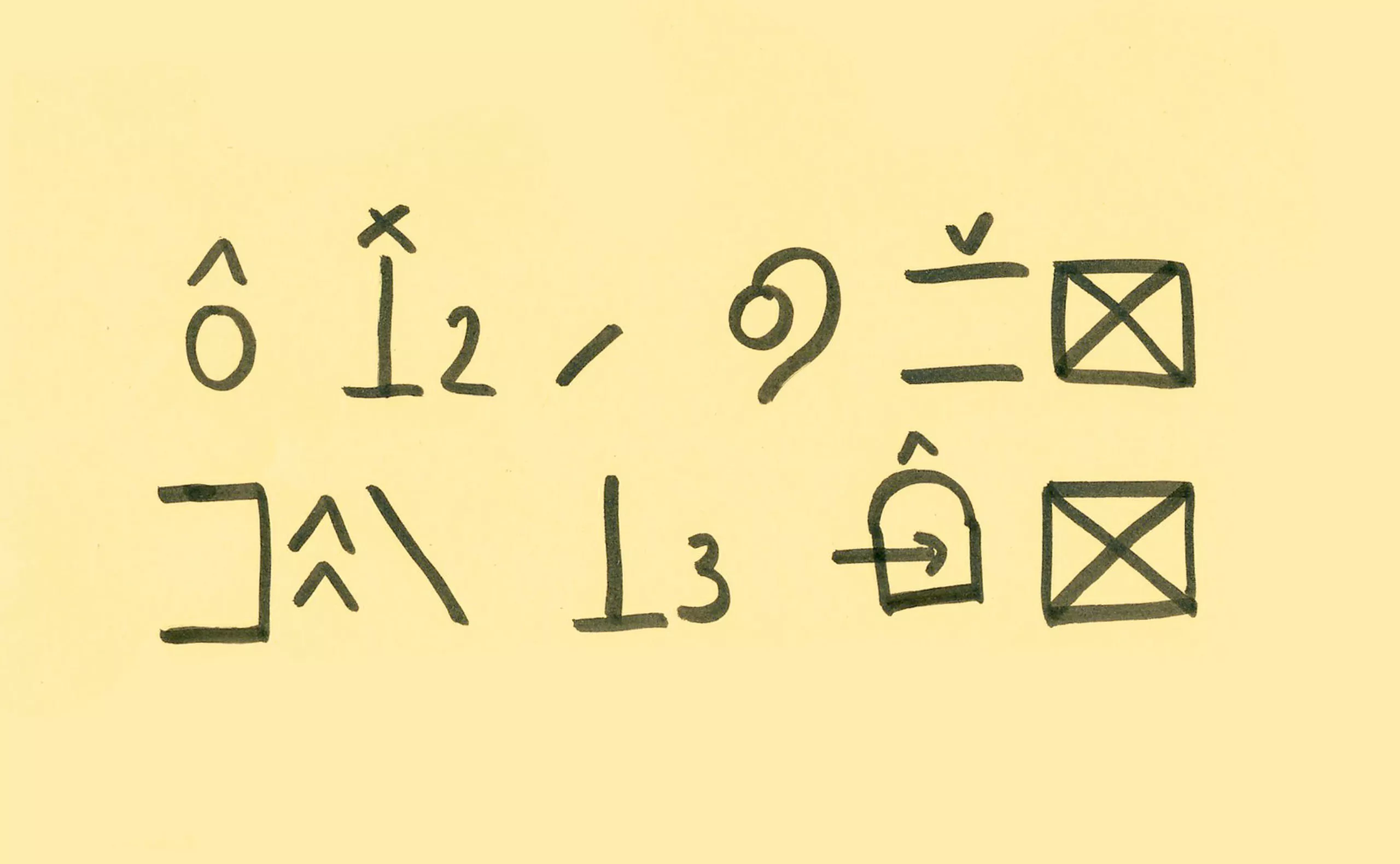
In their search for a universal language, Leibniz and his disciples may have attempted to create the impossible. And yet…