Iconic Branding: Building a Star Identity
Audio version of the article:
Celebrities are a purely strategic marketing construct: they are thus “consumable” by their fans. Let’s take a closer look at celebrities’ personal branding and how they build their image or become icons, from Taylor Swift to Jul, including Marilyn Monroe.
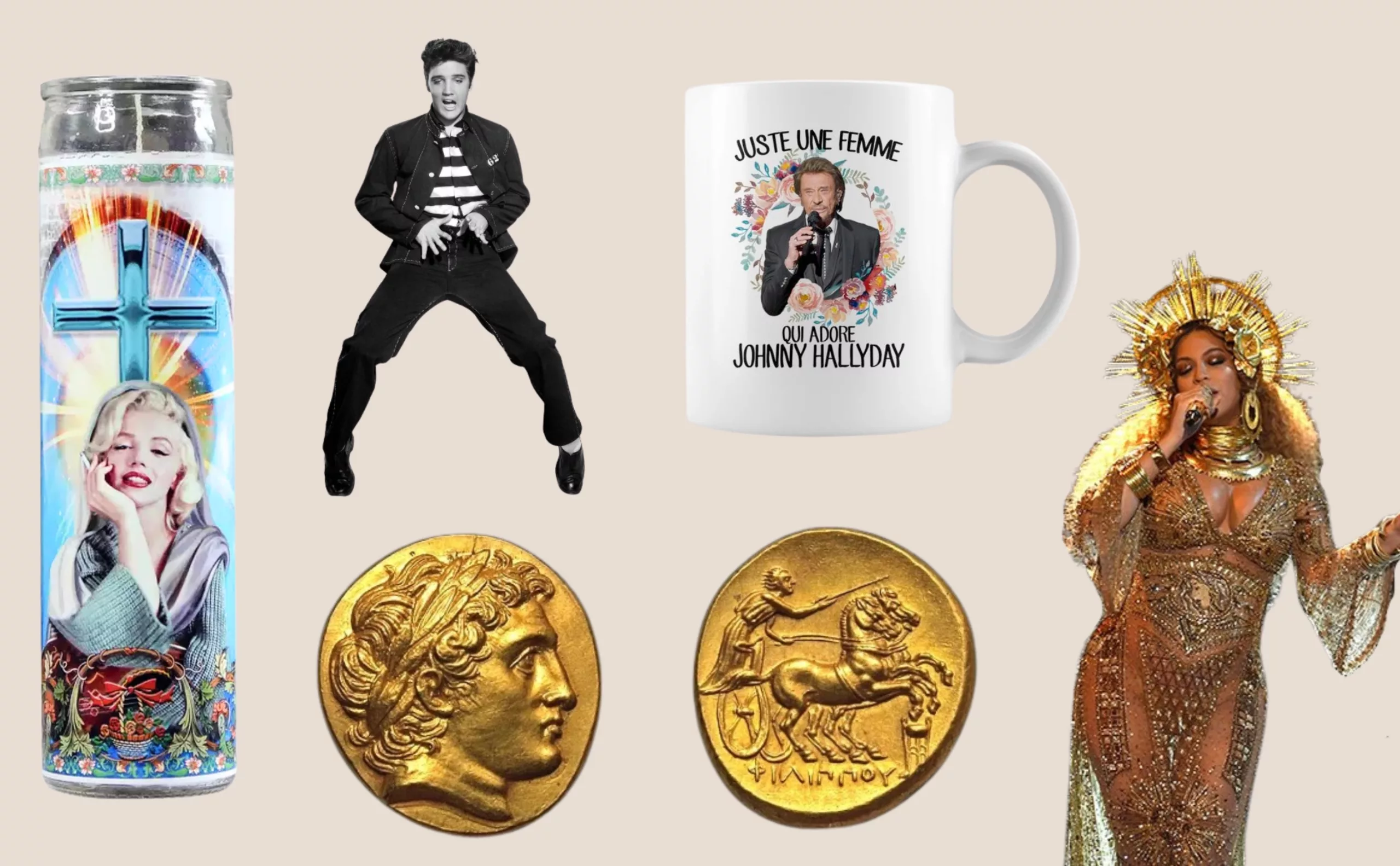
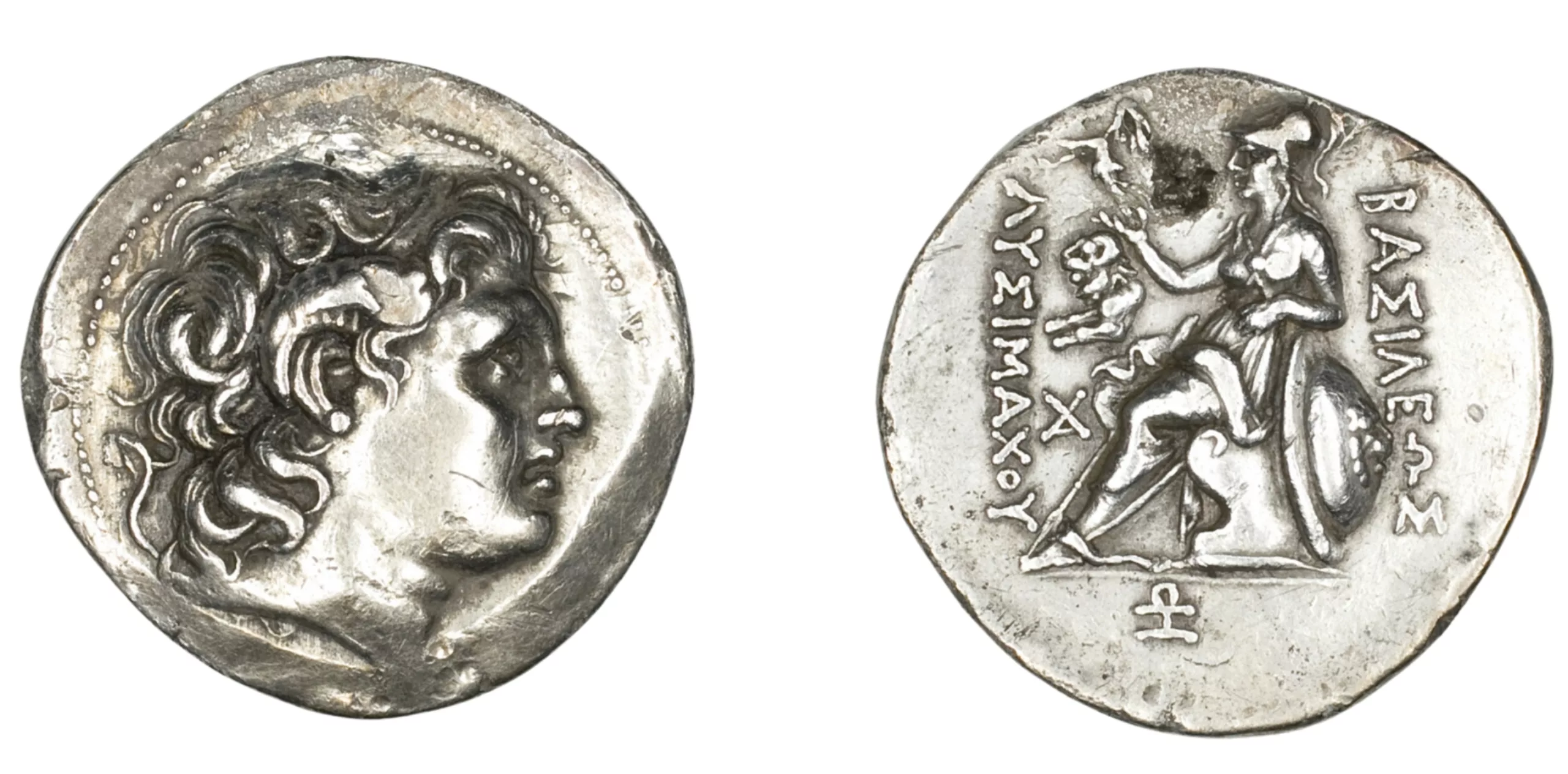
Long before the concept of branding existed, Alexander the Great was already applying its principles. With three official sculptors, he carefully crafted his image, embellishing it with divine attributes (as a descendant of the gods and heir to Achilles), to the point of replacing Apollo on coins. Dressed in a lion’s skin like Heracles, depicted in profile with blond curls like the sun, a laurel wreath, or horns, he promoted his deified and standardized image throughout the territories he conquered. Today, mugs have replaced coins, but celebrities are still just as adored.
Star system, when the system takes centre stage
The celebrity is both a commodity and a cultural icon serving the capitalist system. Their appearance, communication strategy, visual codes and merchandise are meticulously calculated. The celebrity manages their image as if it were a brand. The difference from conventional branding is that the product here is a person. Becoming a person/product requires constructing an identity superimposed upon oneself, like packaging, which inevitably creates a gap between one’s true identity and the projected image – what Jung calls the persona: the social mask. It is Jean-Philippe Smet who becomes Johnny Hallyday, Elvis and Michael Jackson who dance, Beyoncé who embodies a Yoruba goddess to forge her own cult…
We distinguish between two methods of personal branding, which can nevertheless coexist: constructed and calculated branding, and inherent, or natural, branding.
In the first case, the image is conceived and constructed by an industry, a star system, which acts as a mould into which personalities are ‘cast’ to meet a market need. Like any product, the star is interchangeable: in the event of a scandal, they are replaced or their identity is changed.
From Hannah to Miley
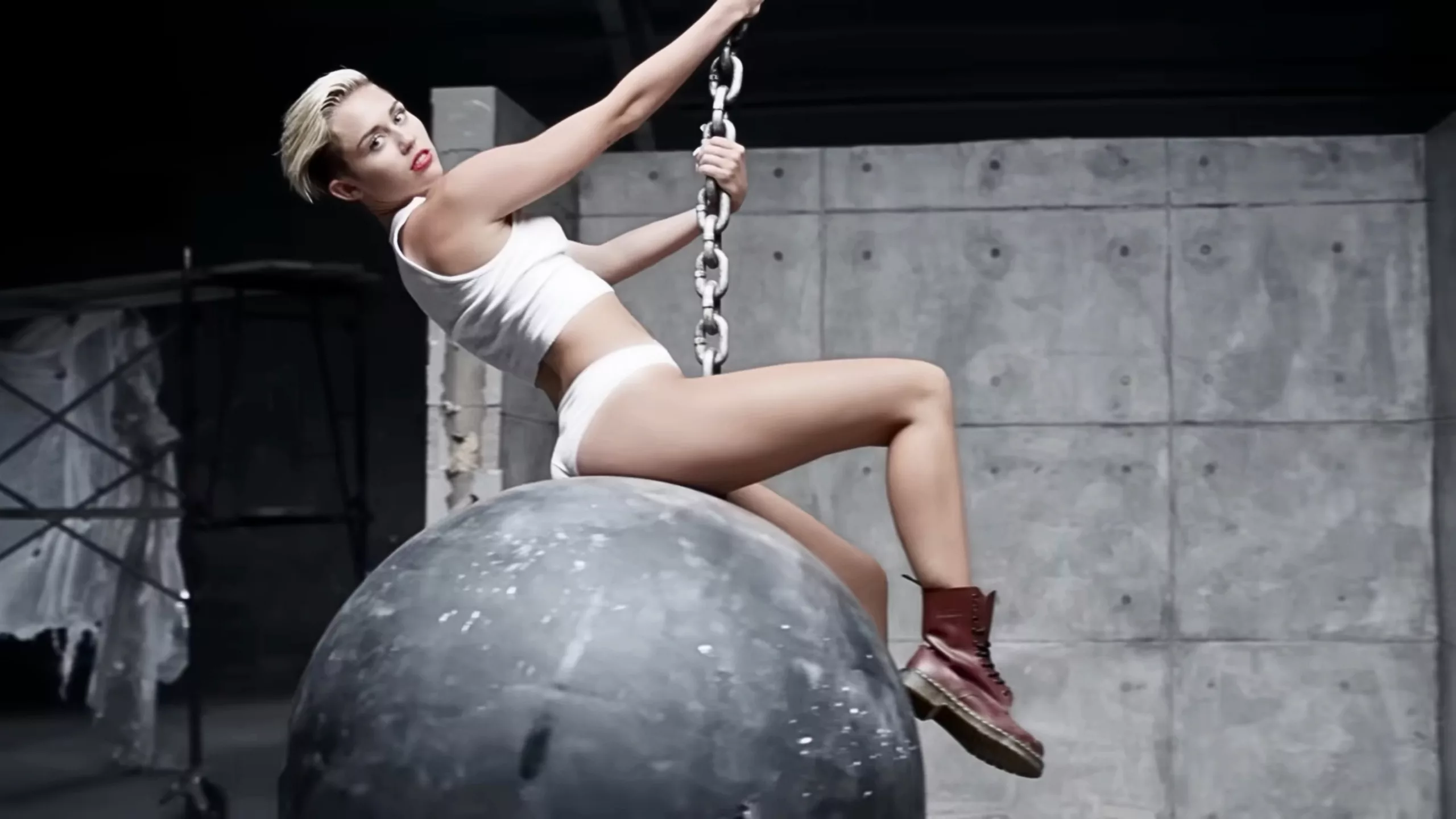
When Miley Cyrus wrapped up Hannah Montana after six years at Disney, she cut her hair, stuck out her tongue and appeared half-naked to break free from the mould of the sweet, well-behaved girl. It was a personal rebranding towards a more liberated and sexualised image.
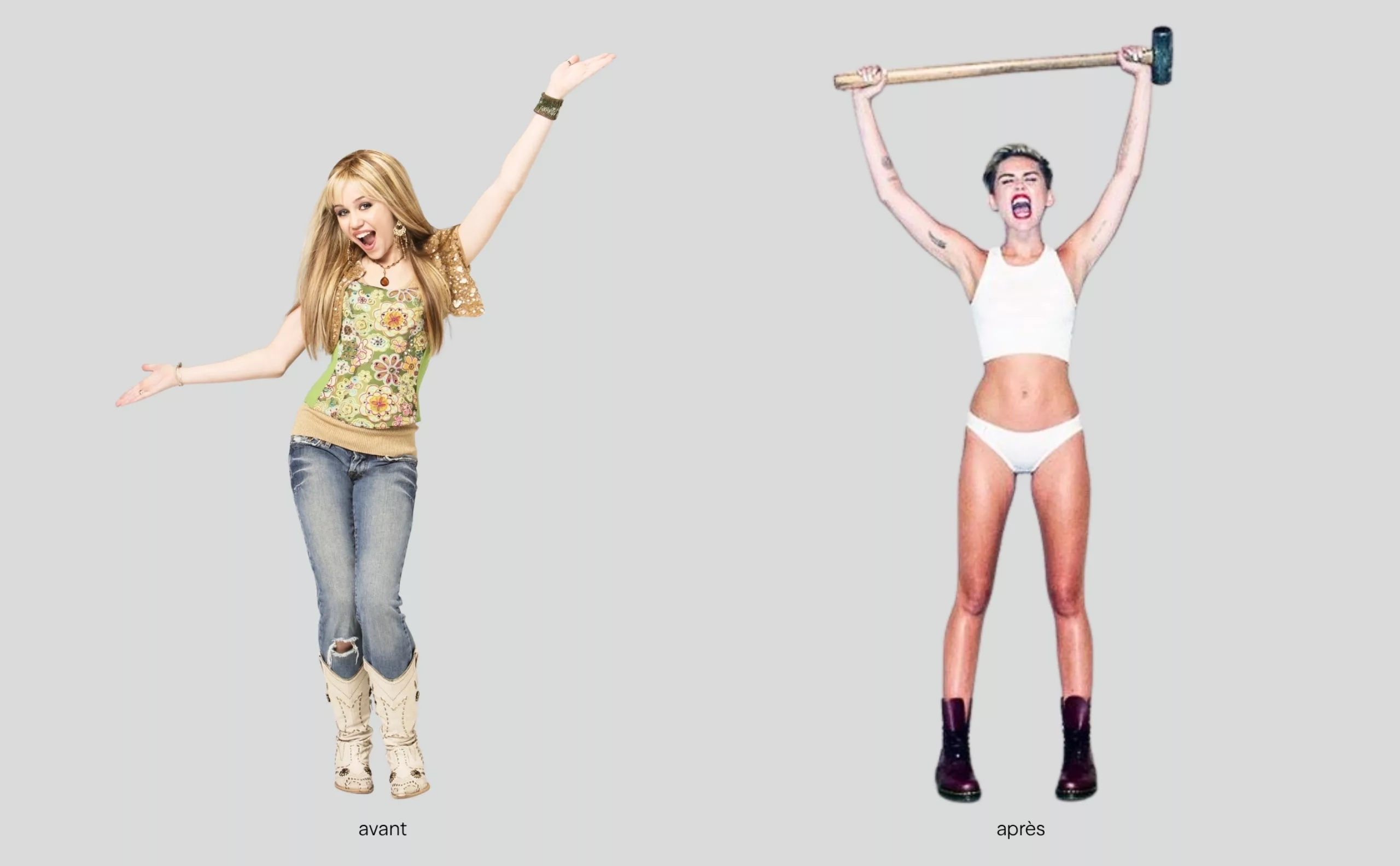
The industry capitalizes on this transition, and rebellion becomes a new “product” variant. As Benjamin Wright writes, it’s “always the same game: creating and selling an image, a personality—whether real, fake, or a combination of the two.”
In the second method of personal branding, inherent branding, the image emerges and is built around the person themselves, sometimes serving to compensate for or accentuate psychological flaws. That person’s charisma or suffering may be enough to draw crowds, despite themselves. The branding then emerges from something genuine and natural, which is not contrived.
Taylor Swift, the queen of calculated branding
Taylor Swift is the most accomplished and profitable example of successful personal branding, combining both approaches. She has complete control over her image, with a dedicated stylist, orchestrated multi-platform campaigns, merchandise, and ‘Easter eggs’ (hidden clues) for her fans. Each album is an ‘era’ with its own colour scheme – glittery for Fearless, purple for Speak Now, black and snakes for Reputation, pink for Lover… whose outfits are listed on Swiftipedia.
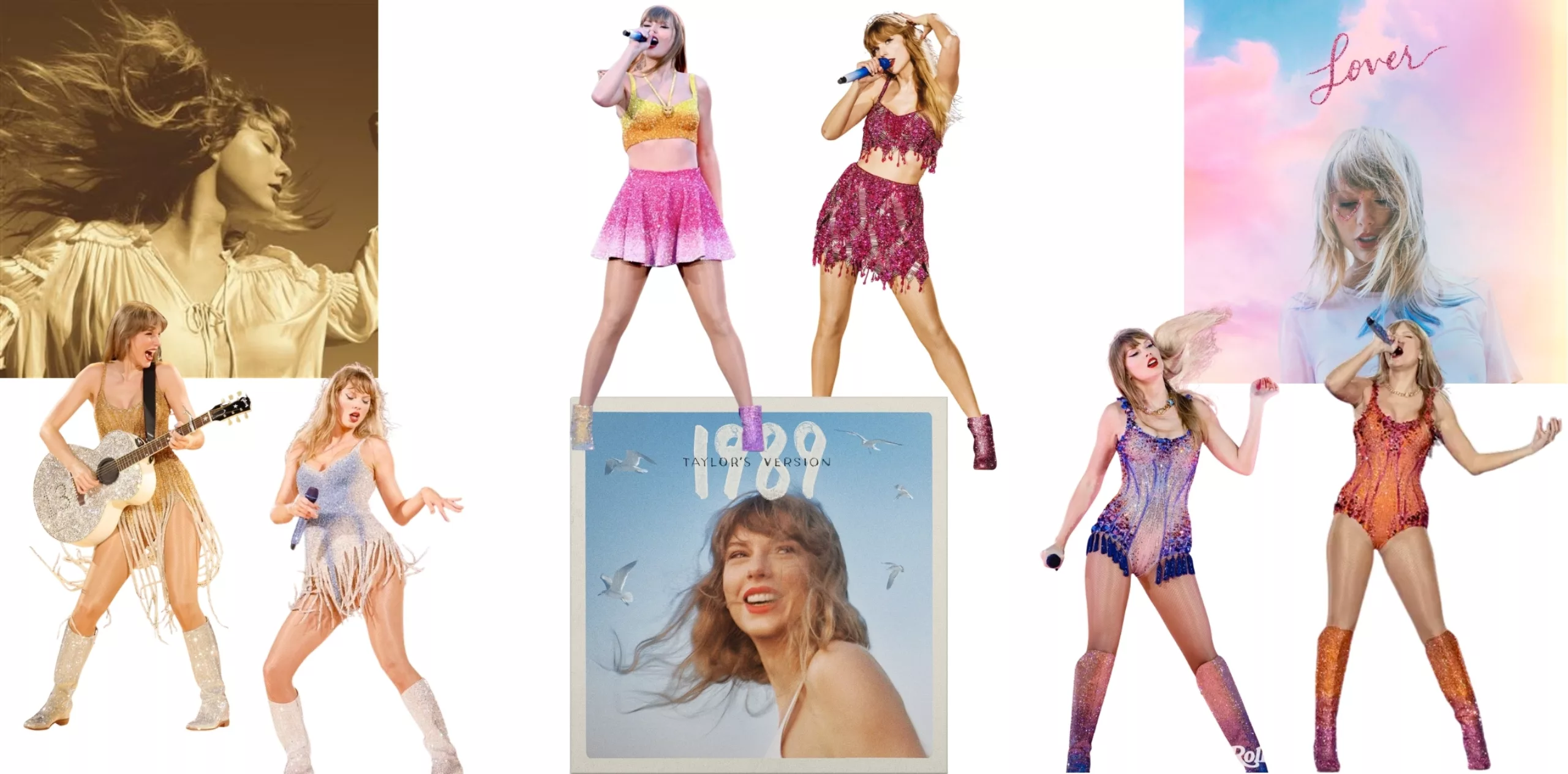
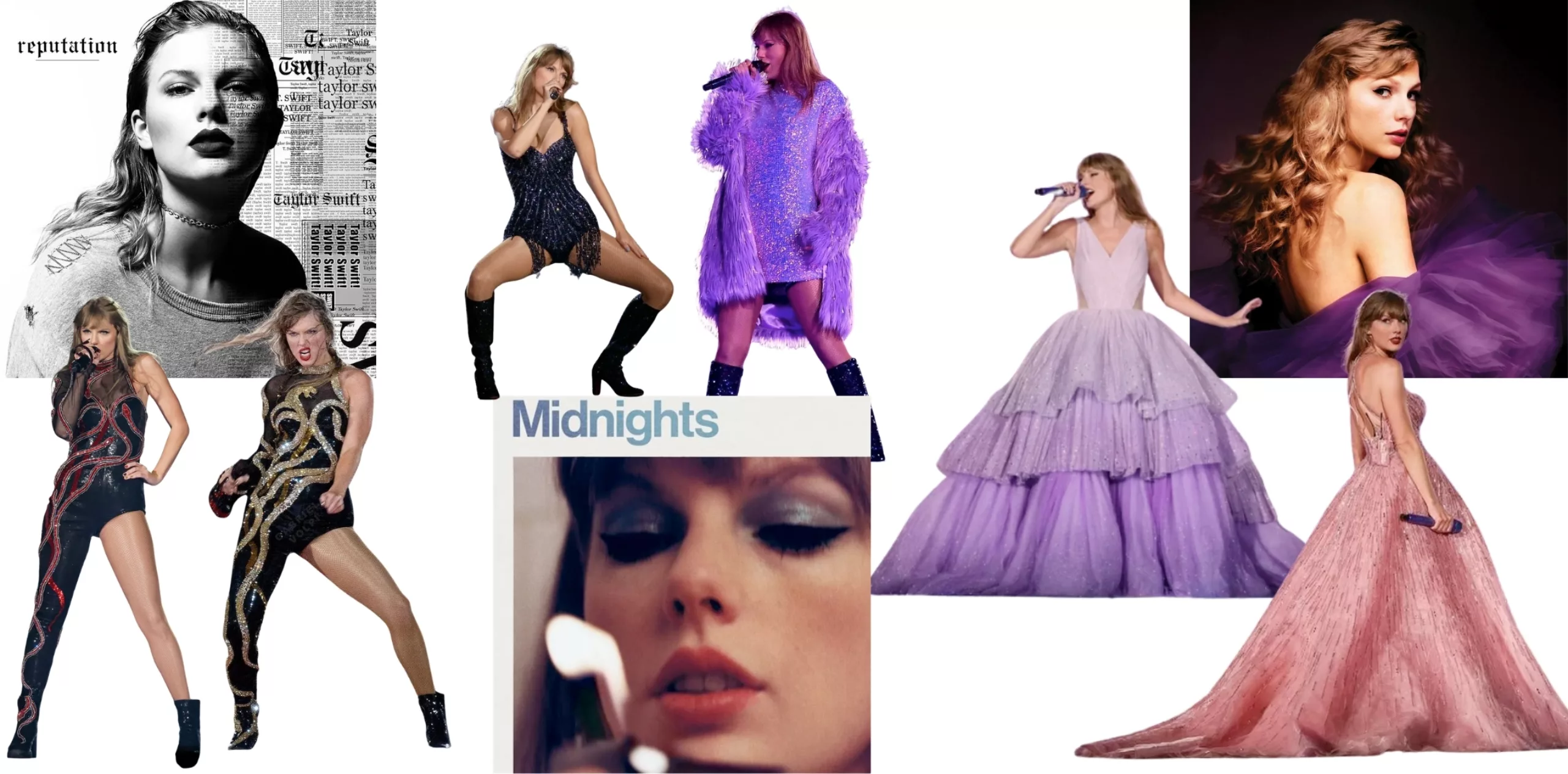
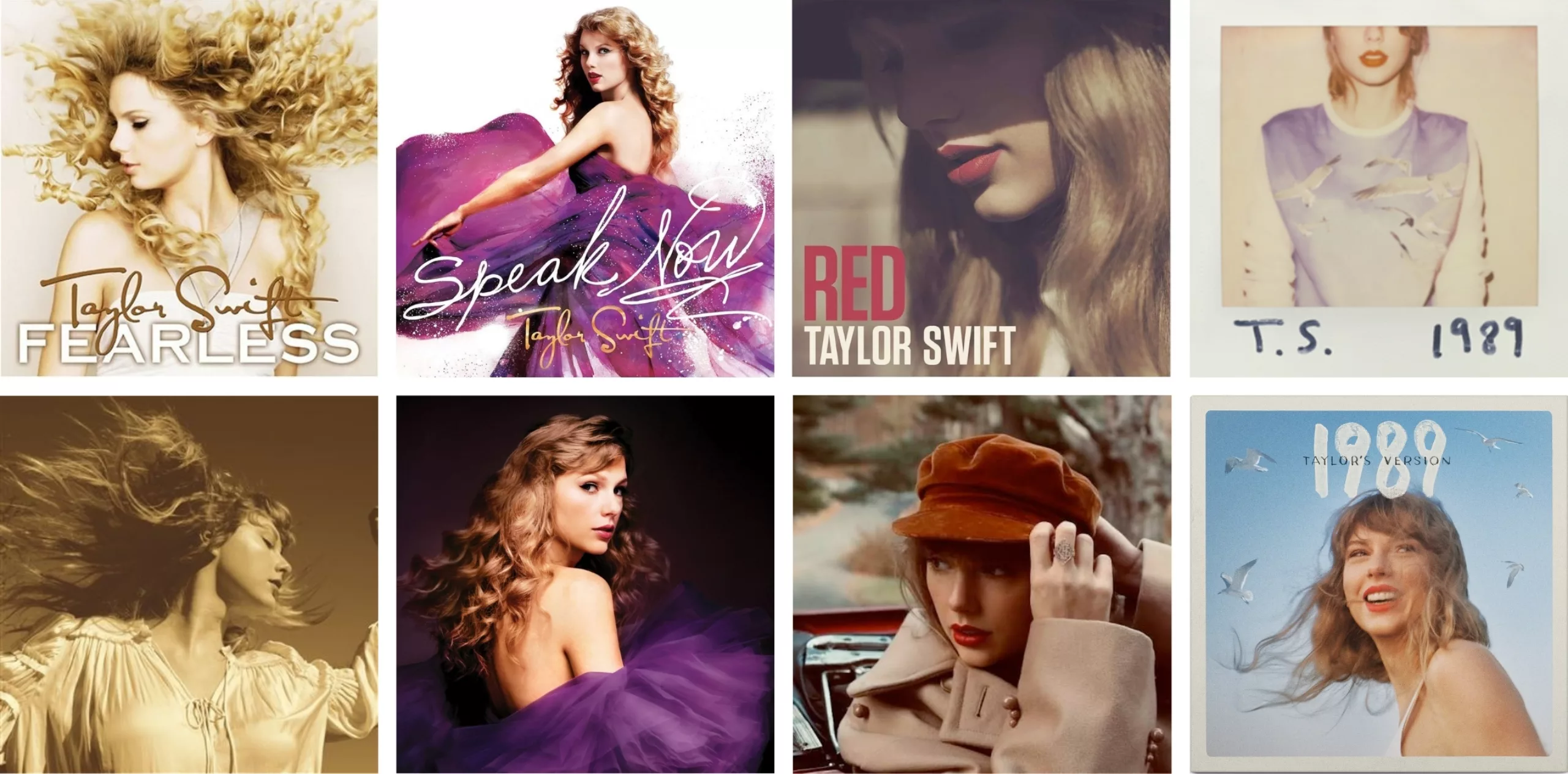
Taylor also exercises strict legal control over her work, having registered her album titles, lyrics and image as trademarks, and protected her voice against AI. In 2019, she re-recorded all her songs as “Taylor’s Version” (second line in the image below) in order to reclaim the rights from her former record label. With 102 million monthly listeners, she is in the Spotify top 10 in over 50 countries.
Taylor therefore fought to regain ownership of the means of production. In other words, she is an artist with enough capital to buy herself back, knowing that this solution is simply out of reach for 99.9% of other artists.
But her personal branding is particularly appealing because she shares universal heartbreaks. She thus combines the two approaches, and the second – although completely uncontrolled – is what makes fans feel close to her. Branding needs emotion to inspire people to dream.
Jul is still the same person
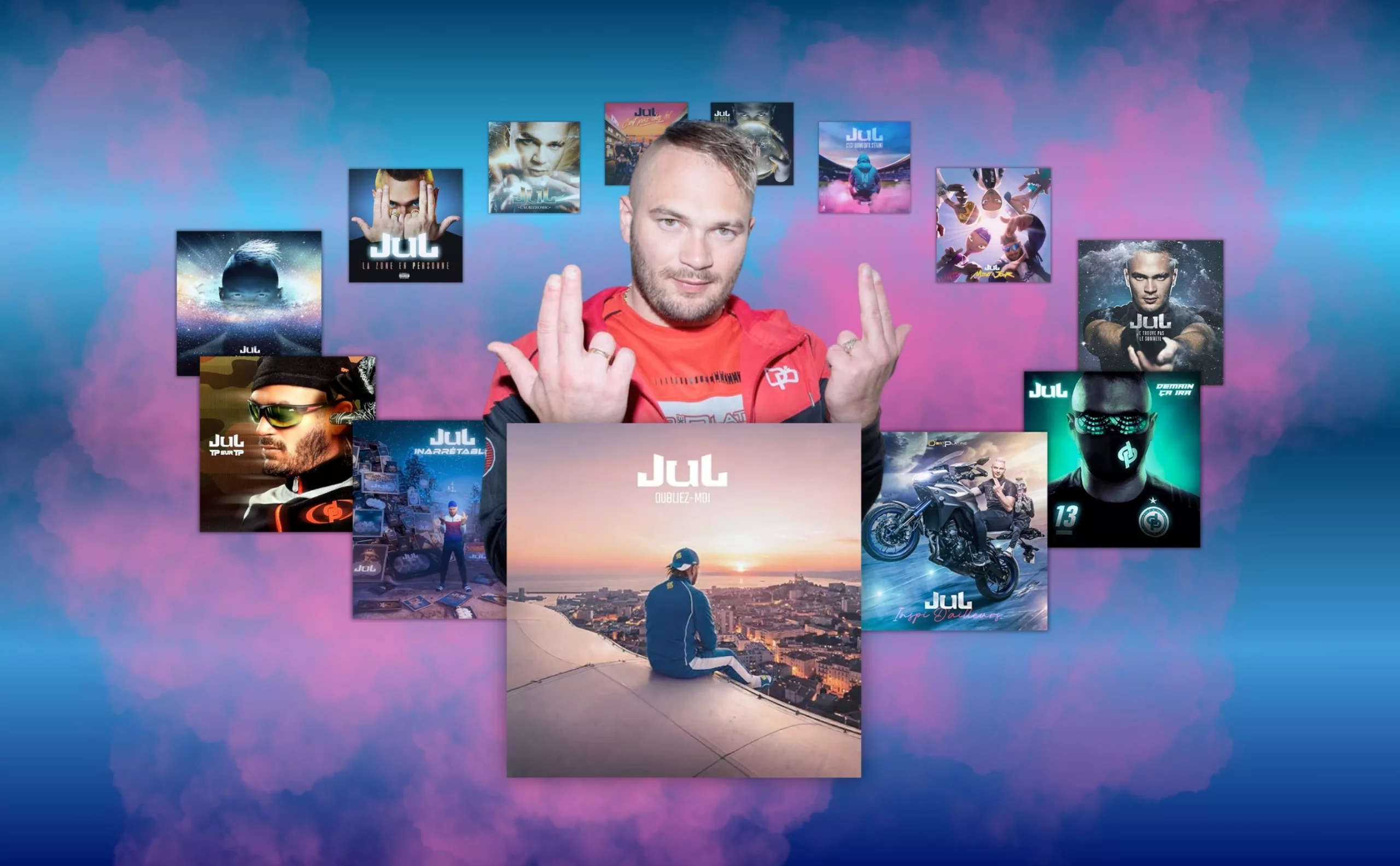
Conversely, Jul relies neither on her looks, nor on cohesive albums (produced using AI based on fan votes, with dubious taste), nor on her voice (which is autotuned). His natural and carefully crafted branding is based on shared and accessible markers: a hand gesture, tap dancing, a T-max in the shape of a Y, Décathlon outfits and the promotion of a region. Jul is Marseille! In the style of branding for a social movement, he brings people together through unifying, spontaneous and collective gestures.
In a market saturated with manufactured images, the unmanufactured becomes a scarce resource, and therefore the most valuable. The cultural industry also knows perfectly well how to produce authenticity as a commercial category, complete with its own codes, signs, and proofs of origin.

Jul speaks with an accent and remains “still the same person” despite his fame, a bit like Bob Marley, who embodied a place, a philosophy, a sense of belonging. He has been number one in France for five years and oversees his own production, distribution and publicity, yet remains a complete unknown outside French-speaking countries.
In all of this, we shouldn’t overlook the fact that “Team Jul” produces a significant part of the brand for free. Fans are not just an audience; they are also an unpaid labor force contributing to the brand’s value creation. And “D’or et de platine” is nothing more than a supermarket selling “Made in Marseille” products manufactured in China.
To wrap things up, we hope you’ll enjoy this sublime chrome montage:
The birth of a legend or an icon
Edgar Morin explains in Les Stars (1957) that the capitalist system produces the star, but it is our need for her that creates her. The public projects onto them what it wishes to embody, and these figures activate archetypes lying dormant in the collective unconscious.
The more the star is adored, the further she drifts from her humanity and becomes unapproachable. But the more she embodies the flaws inherent in her humanity, the closer she comes to ‘mortals’. This tension creates imperfection within perfection, and thus attachment.
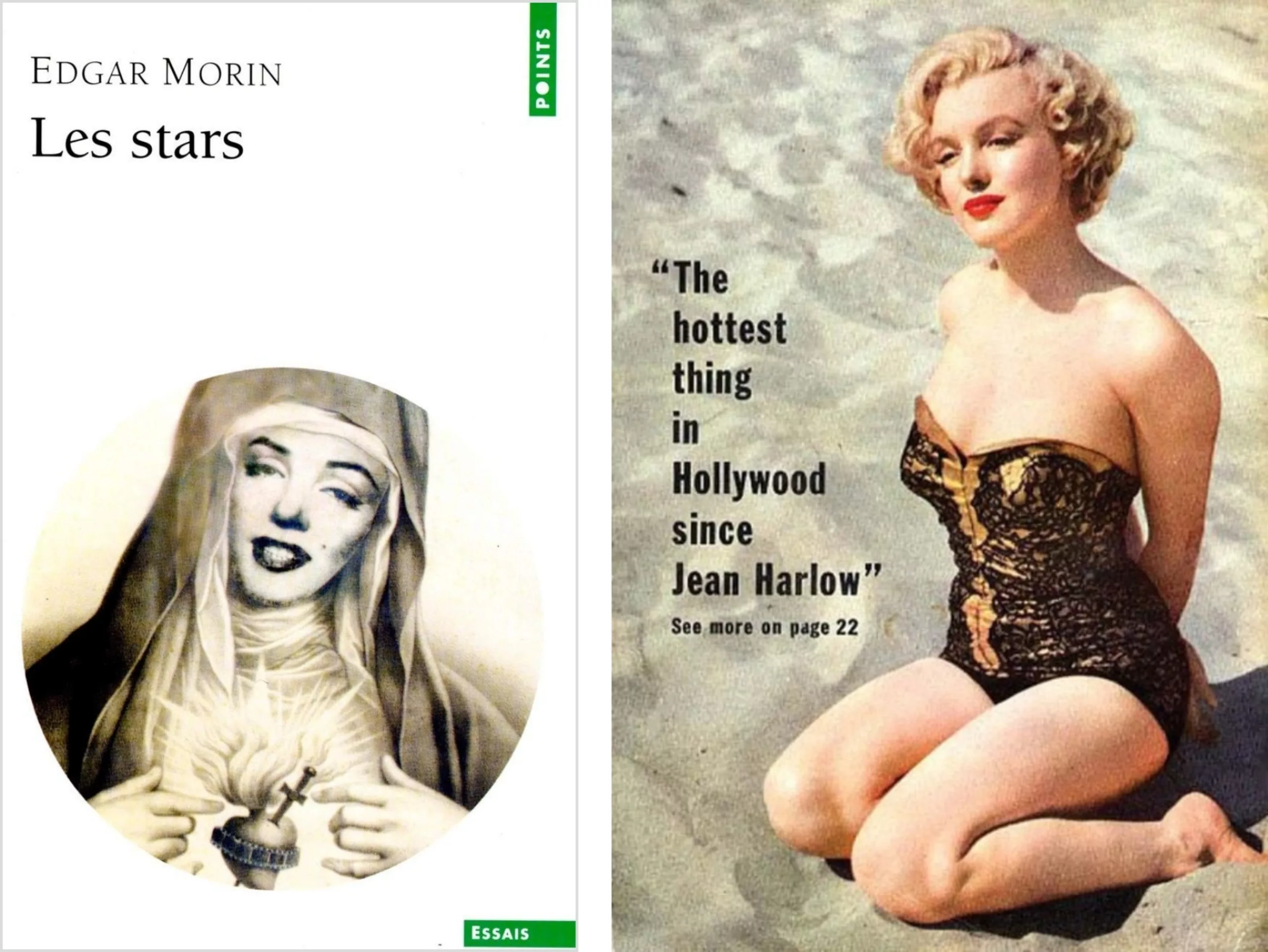
By embodying anti-establishment attitudes (Kurt Cobain, Frida Kahlo), suffering and addiction (Amy Winehouse), or desire and distress (Marilyn Monroe), the star becomes a myth that eludes them and endures after their death. “The history of stars, in its own way, repeats the history of the gods,” wrote Edgar Morin.
Industrial packaging conceals these flaws: incompatible with the manufactured image, they accumulate until they produce a spectacular rupture, which forms the basis of the myth. When these flaws are incorporated, unconsciously, they become the most powerful point of identification for the public. It is this visible humanity, this imperfection discernible beneath the mask, that transforms the star into an icon.
When marketing appropriates the myth
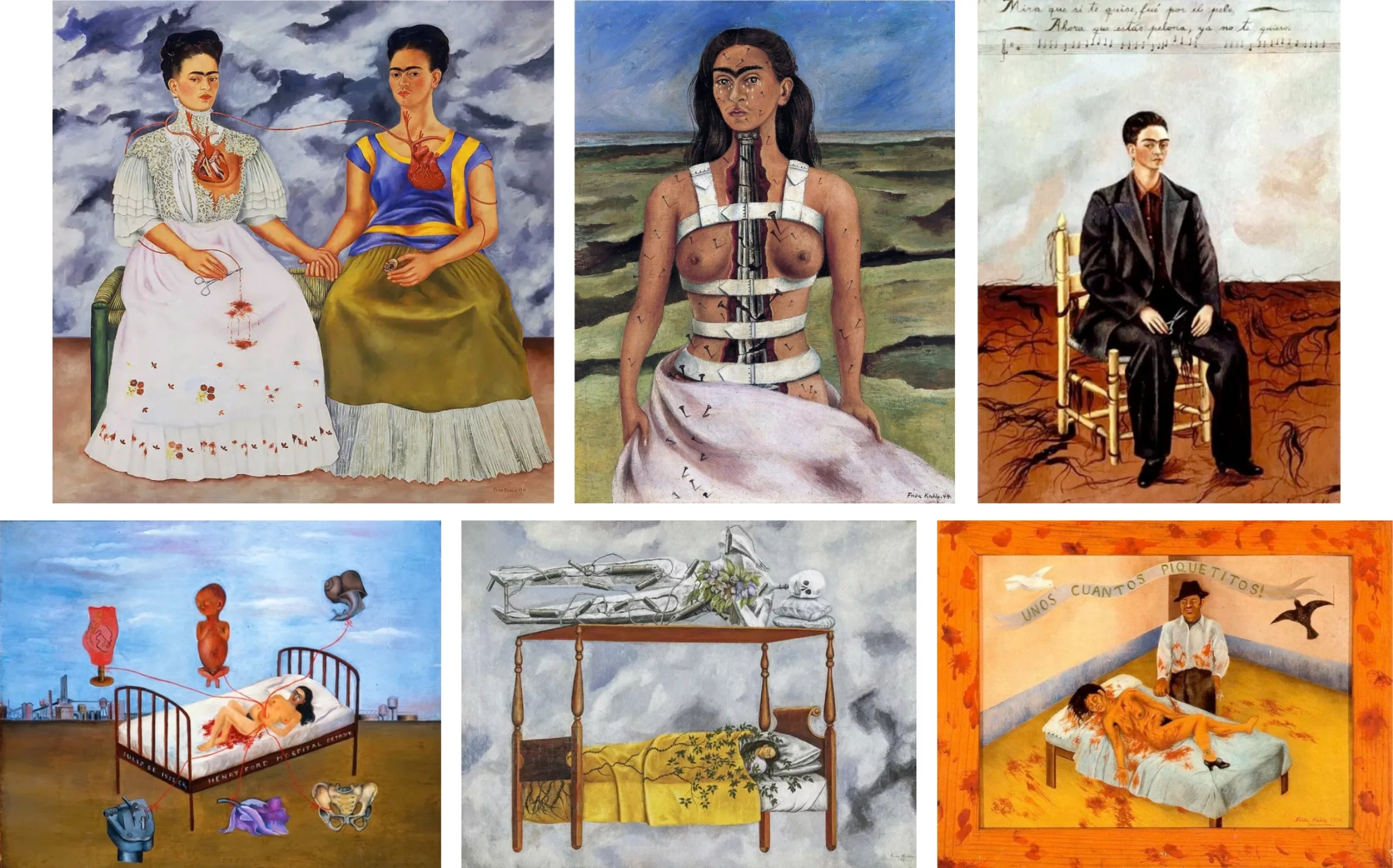
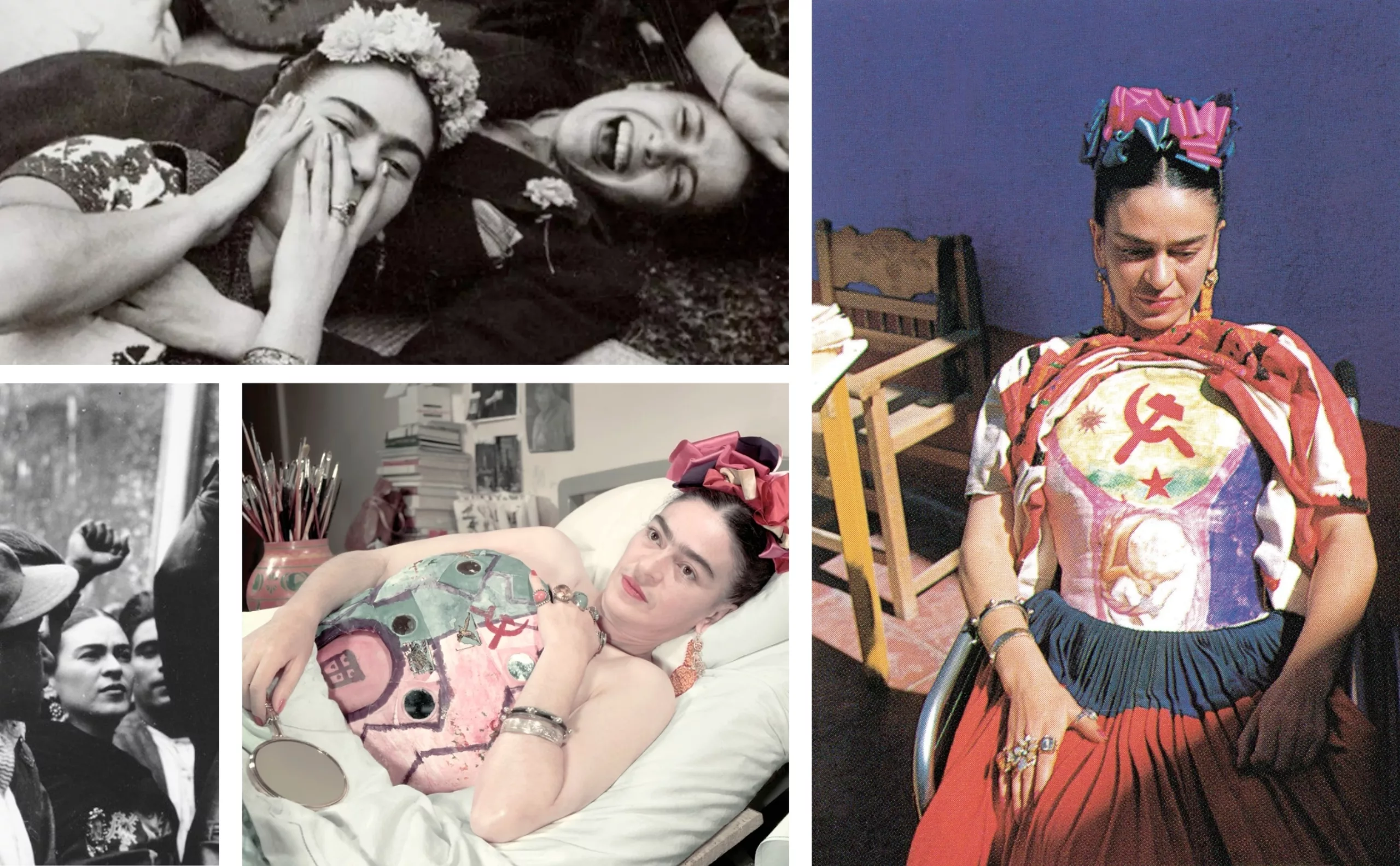
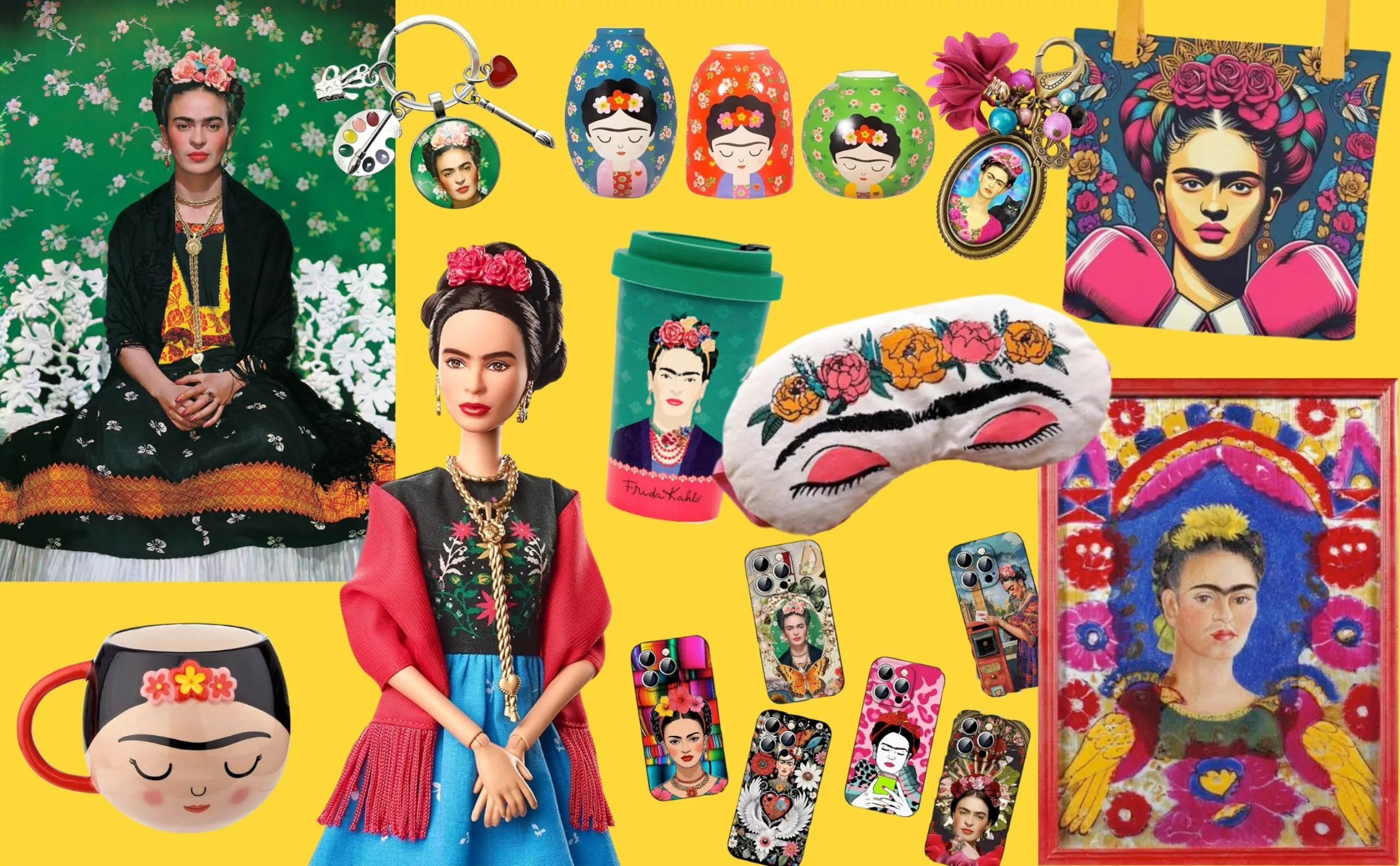
Capitalism often co-opts an icon by glossing over their flaws and convictions in order to mould them into a ‘mainstream’ image. A striking example is the Mexican artist Frida Kahlo.
Her bisexuality and her cross-dressing, her suffering, and her indigenous and communist activism are glossed over to create a sanitised image of a strong, independent and creative woman.
Frida, the new icon of “natural beauty”
Her unconventional, androgynous appearance – which defies Western social norms – is polished to embody the ‘body positive’ and ‘natural beauty’ movements, with a signature unibrow that fuels the cosmetics industry. Frida also represents Mexican tropical exoticism and resilience, as she sublimates her pain and suffers in silence like a saint.
Mattel’s Frida Kahlo Barbie (2018) has neither a corset nor an amputated leg. All that remains, then, is a single-eyebrow logo / flower-adorned plait that can be adapted in endless ways… Her coquettishness served to highlight her battered body, like a form of aesthetic armour, but marketing has erased her struggles.
From Norma to Marilyn, the blonde bombshell
Marilyn, too, turned her image into a form of aesthetic armour, which she mastered so as not to become a puppet of the industry. By dyeing her hair platinum blonde, Norma Jeane adopts the style of Jean Harlow, the first ‘blonde bombshell’ and Hollywood sex symbol. Blonde is also the colour of fools, and she knows it all too well.
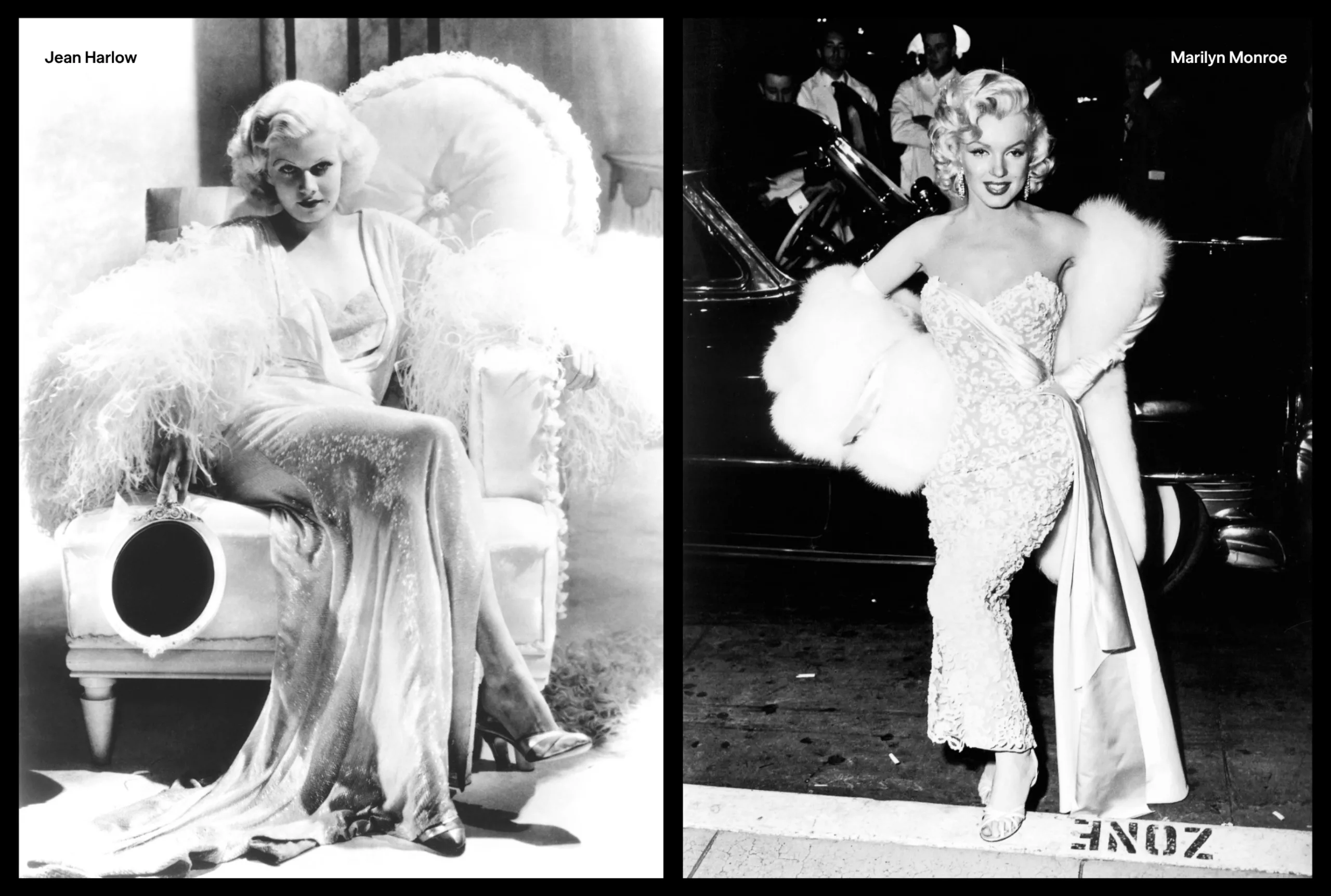
She creates a tension between eroticism and naivety, works on her gait and her voice to conceal her limp and her dyslexia, reshapes her lips, and emphasises her beauty spot. Norma can, in fact, ‘become’ Marilyn at will by changing her gait, her gaze and her posture, as recounted by Amy Greene, the wife of her photographer:
“‘Do you want to see me become her?‘ I didn’t know what she meant, but I said yes — and then I saw something I don’t know how to explain because it was so subtle, but she ignited something within her that felt like magic. And suddenly the cars were slowing down and people were turning round.”
Marilyn is, above all, a survival mechanism – a glamorous, stable and desirable alter ego – designed to help her escape a traumatic childhood. Commercial branding becomes, in this context, psychological and social armour.
Aware that she was deliberately embodying the fantasy of the male gaze in Hollywood, she said: “Men didn’t care who I really was. (…) They were clearly in love with someone other than me.”
Her wounds, concealed beneath the body of a goddess, help to shape the Monroe myth 100 years after her birth.
Marilyn Monroe is now an asset owned by a brand portfolio manager, alongside Elvis and Muhammad Ali. In a final twist of cynicism, the company is called “Authentic Brands Group (ABG)”. But what remains authentic about a brand that generates $80 million, 26% of it from lingerie, 12% from jewelry, and so on?
From an economic standpoint, “death does not merely freeze an image in time; it purges the asset of risk.” No more potential scandals, no more aging, no more political stances, no more conflicts with licensees. A windfall for the merchants of images.
The death of a star and eternal youth
The death of a star, especially if it is tragic, crystallises a lost genius by freezing it in time, as with the ‘27 Club’ – Hendrix, Joplin, Morrison, Basquiat and Cobain, who all died at the age of 27.
Death also immortalises eternal beauty, for those who have the good taste to die young, freezing the female body in an ideal standard of beauty, making them desirable and beautiful forever. Elisabeth Bronfen explains, in the episode “Aestheticising dead women” of the podcast Did Venus wax her pussy?, that “at the heart of the obsession with female beauty lies, first and foremost, an awareness of its transience.”
A star becomes a legend in their own lifetime when their personal story connects with a collective dimension and takes on deeper meaning, as in the cases of Nelson Mandela and Che Guevara. Cultural icons help to resolve social tensions.
Inherent archetypes vs constructed archetypes
One final point regarding the archetypes mentioned earlier. Jung’s archetypes are unconscious and cannot be exploited for calculated branding. Margaret Mark (strategic director at the advertising agency Young & Rubicam) & Carol S. Pearson (a specialist in Jungian psychology) drew inspiration from them in The Hero and the Outlaw (2001) to create a marketing positioning tool featuring 12 archetypes linked to branding values. Thus, Nike embodies the Hero, whilst Apple and Lego embody the Creator/Magician. Applied to celebrities: Hannah Montana is the Innocent, Miley Cyrus the Outlaw, Charlie Chaplin the Jester, and Jul or Eminem the Everyman.
Branding can thus draw on characteristics that are normally unconscious, in order to construct an identity by attempting to control what is not meant to be controlled.
On the subject
-

Donald Trump, the martyr who makes history
Donald Trump, his face bloodied, raises his fist and seems to proclaim “I’m alive, fight!”.
Let’s decipher an image that has gone down in history at the speed of a shotgun blast. -
A king-size stamp for Charles III
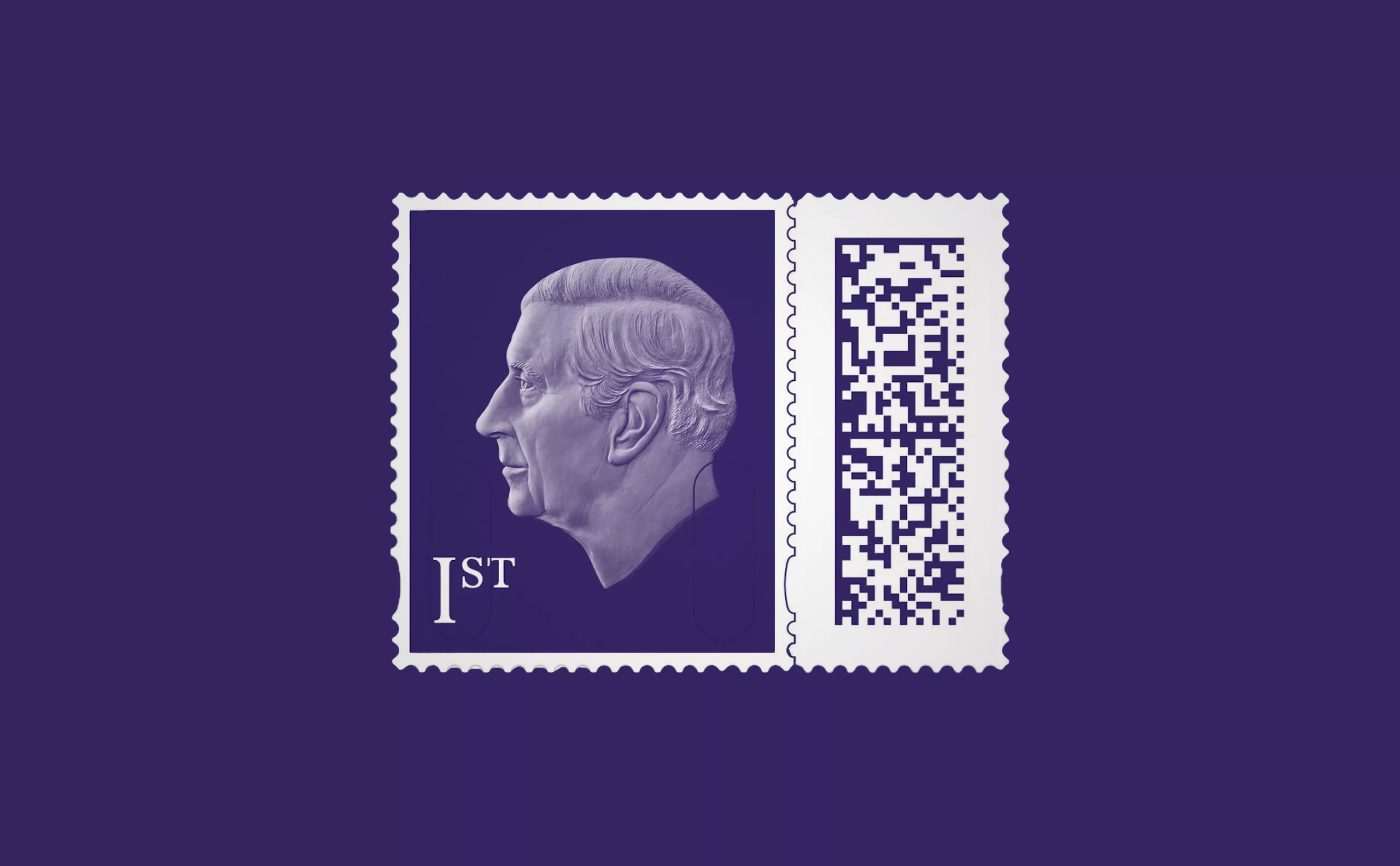
The UK Postal Service presents the new stamp of King Charles III, a very sober portrait without a crown, a very symbolic first for the British crown!
-

A “female” PRM pictogram?
The PRM pictogram was created in the 1960s as part of the international movement to defend the rights of people with disabilities.