How does war affect design?
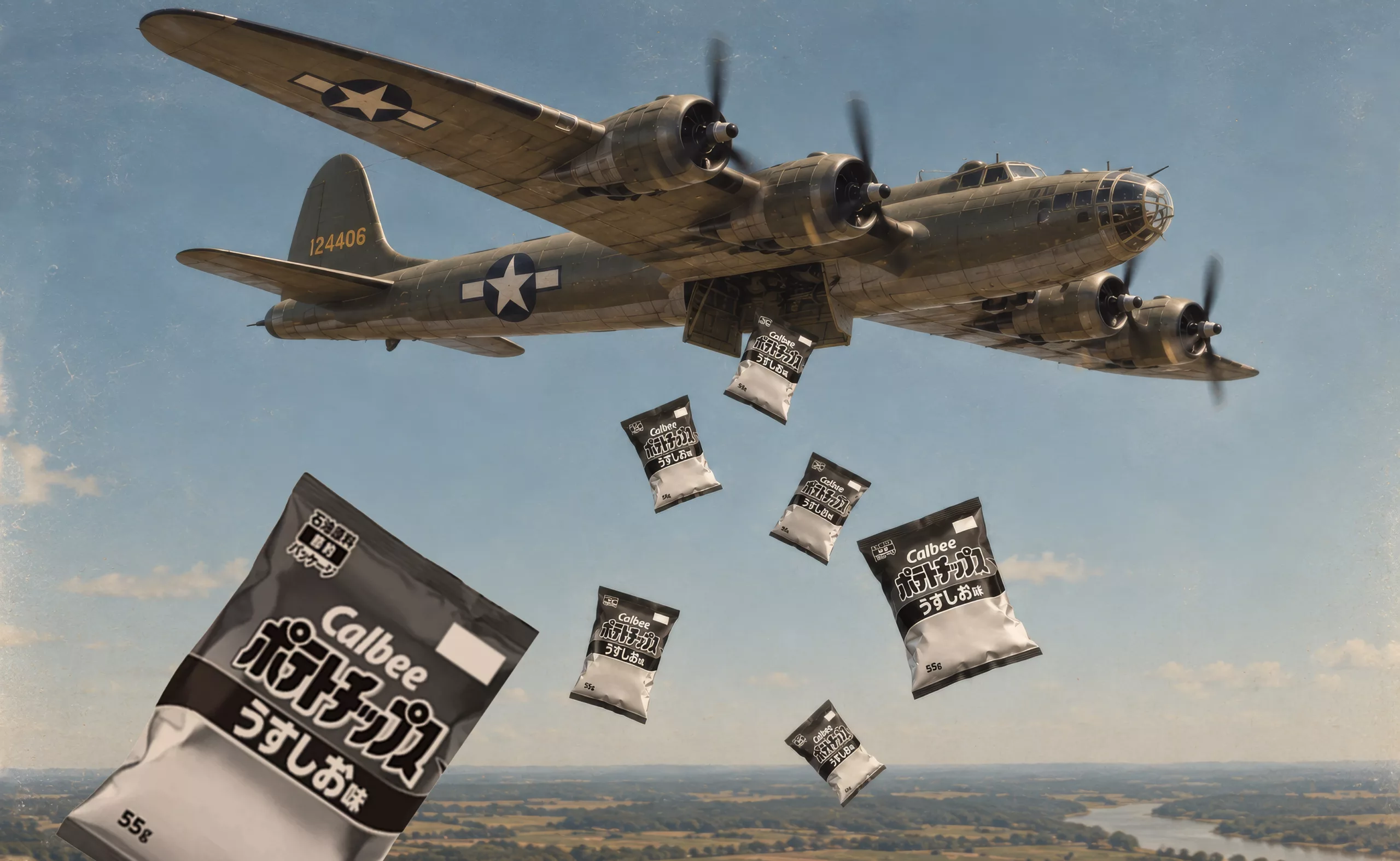
The very nature of design is to respond to a constraint and to create in the most effective way possible. Sometimes, however, the constraints do not come from the client but from a shortage of raw materials. This is the case during wars, which lead to numerous shortages, forcing industry to adapt in order to reinvent the aesthetics and functionality of everyday objects.
Without realising it, we hold in our hands many objects that were invented or adapted because of a shortage caused by a conflict!
Crisps and the petrol shortage
In May 2026, the surge in oil prices, linked to the blockade of the Strait of Hormuz in Iran, had repercussions that even affected packets of Japanese crisps…
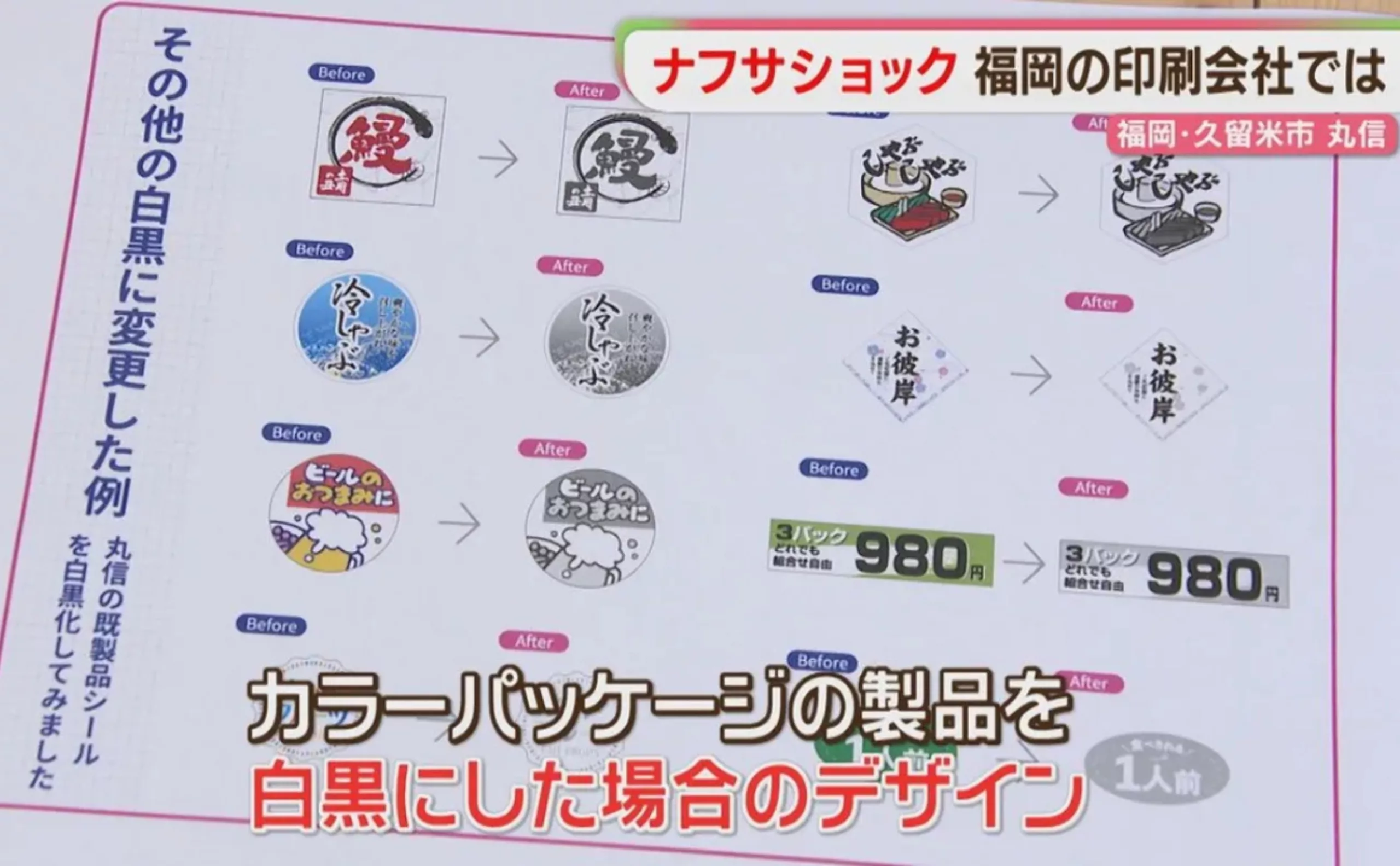
The decline in oil supplies has led to a rise in the prices of its derivatives, particularly naphtha, which is used to manufacture various plastics and inks. This rise has had an impact on a whole sector of industry, from label printing to prefabricated bathrooms and crisp packets. Naphtha is found in food trays, plastic bags, gloves, organic solvents and adhesives, as well as in disposable nappies, washing powder and sanitary products…
The entire Asian industry must therefore find ways to cope with the naphtha shortage, either by cutting production, raising prices, or finding alternative materials. Some online printing companies have been forced to close, or are now offering black-and-white printing.
In Japan, the Calbee brand has opted to print in a single colour – black – leaving the aluminium of the packaging visible, in order to reduce ink usage. Far from being a marketing ploy, this new emergency design is a “measure to maintain production” promoted by the government, and bears the words “石油原料節約パッケージ” (packaging to preserve petroleum-based raw materials).
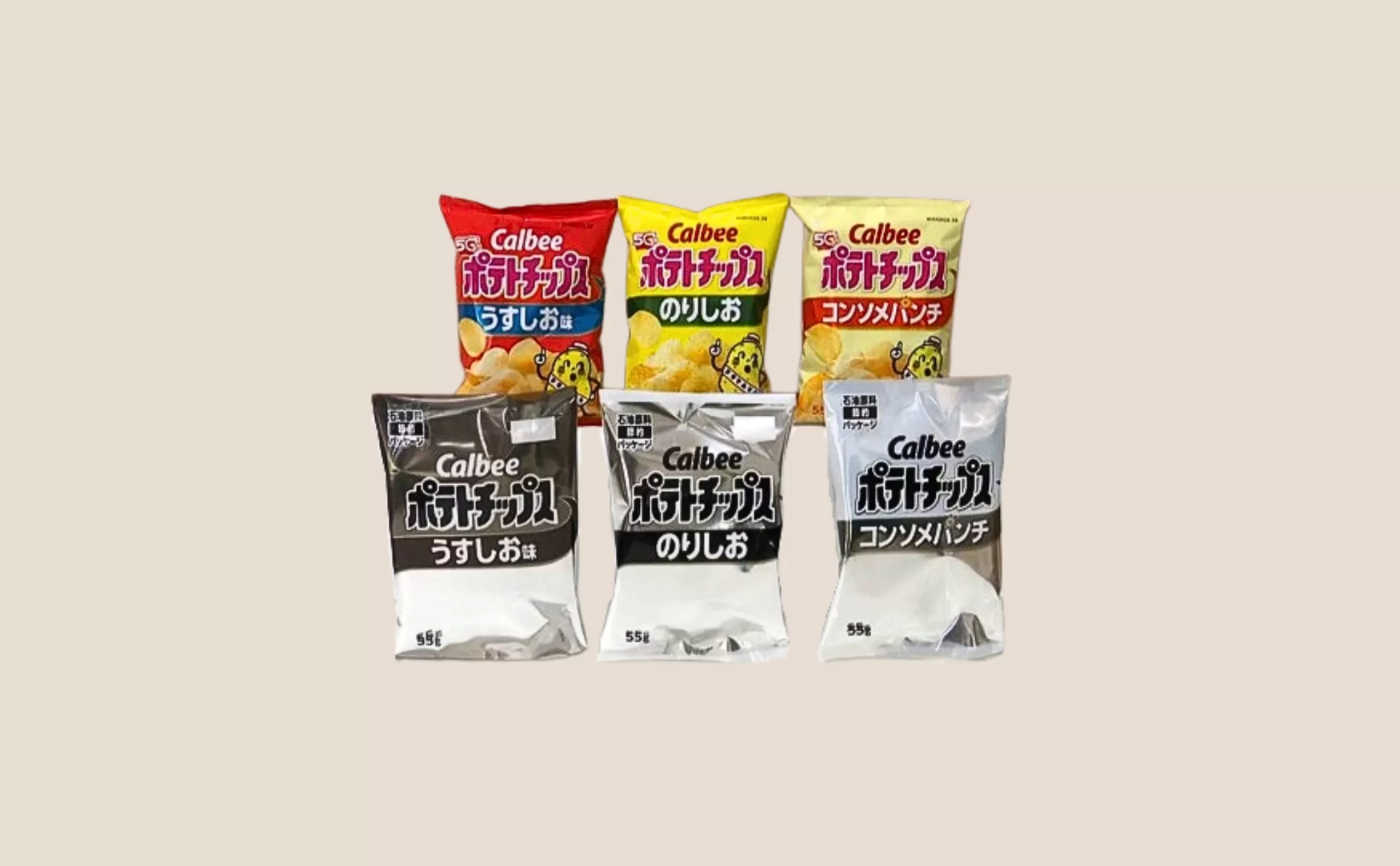
Calbee has drastically reduced the variety of its packaging designs and favours layering colours to create shades through blending. It is also adapting by eliminating solid blocks of colour and leaving unprinted spaces, much like the Kagome brand, which now offers ketchup in transparent packaging.
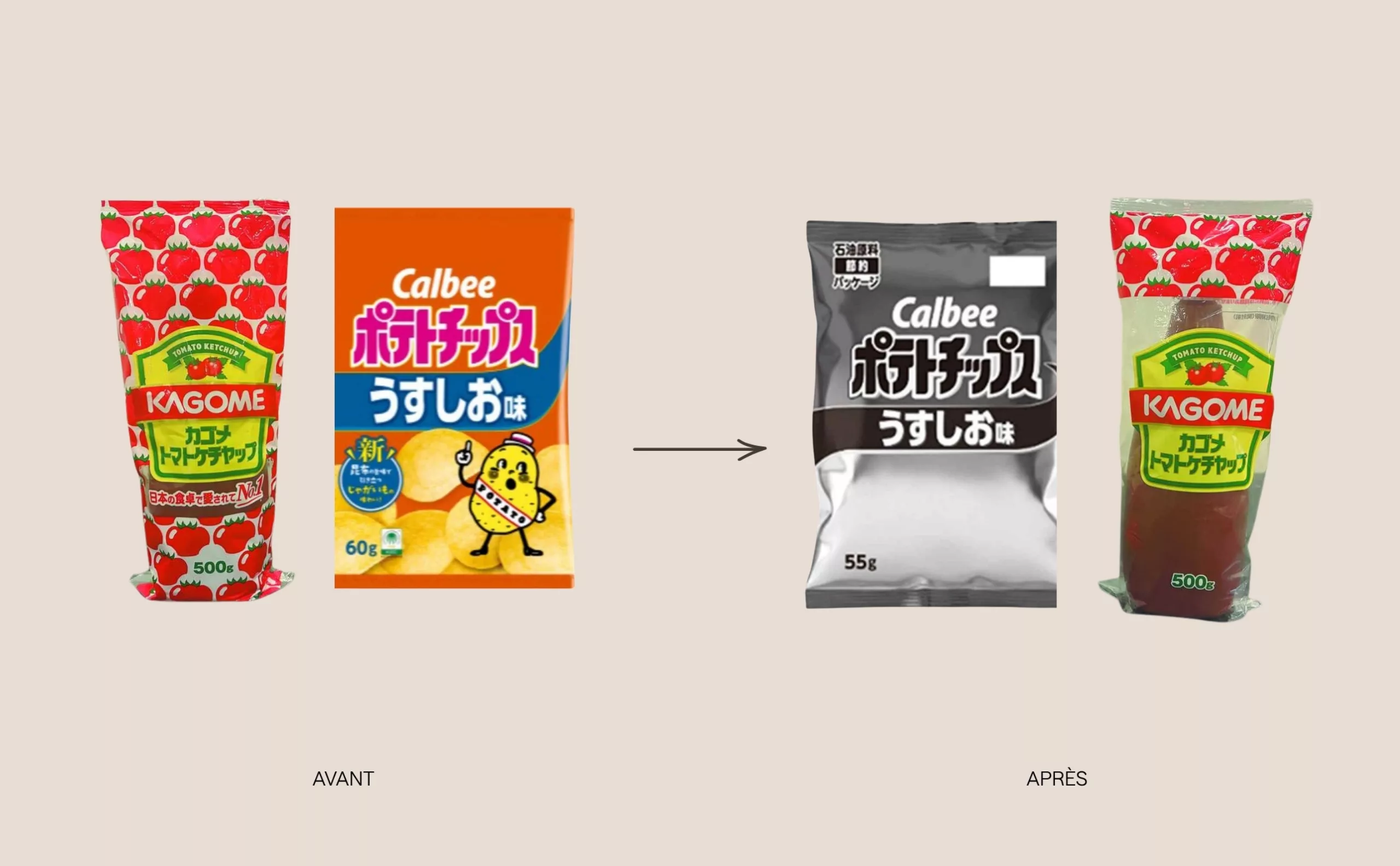
By presenting itself in this way as a supporter of the war effort, Calbee is nevertheless giving itself some free publicity, as it stands out more on the shelves by contrast and is generating buzz abroad. If all brands were to adopt this approach, they would need to adapt their branding to set themselves apart.
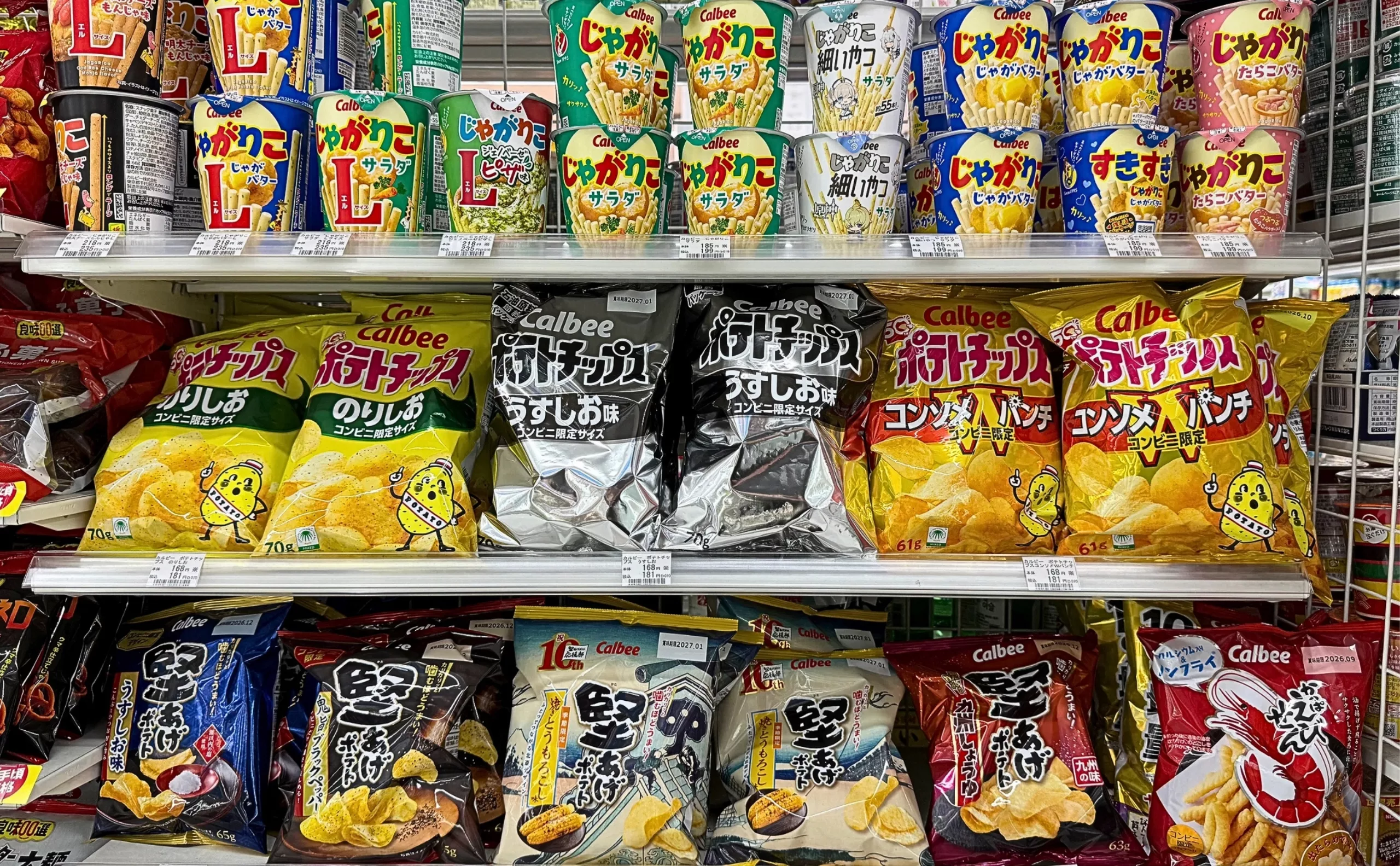
So far, this phenomenon has only been observed in Asia. But this is not the first time that shortages have affected consumer goods.
Resilient design in times of war
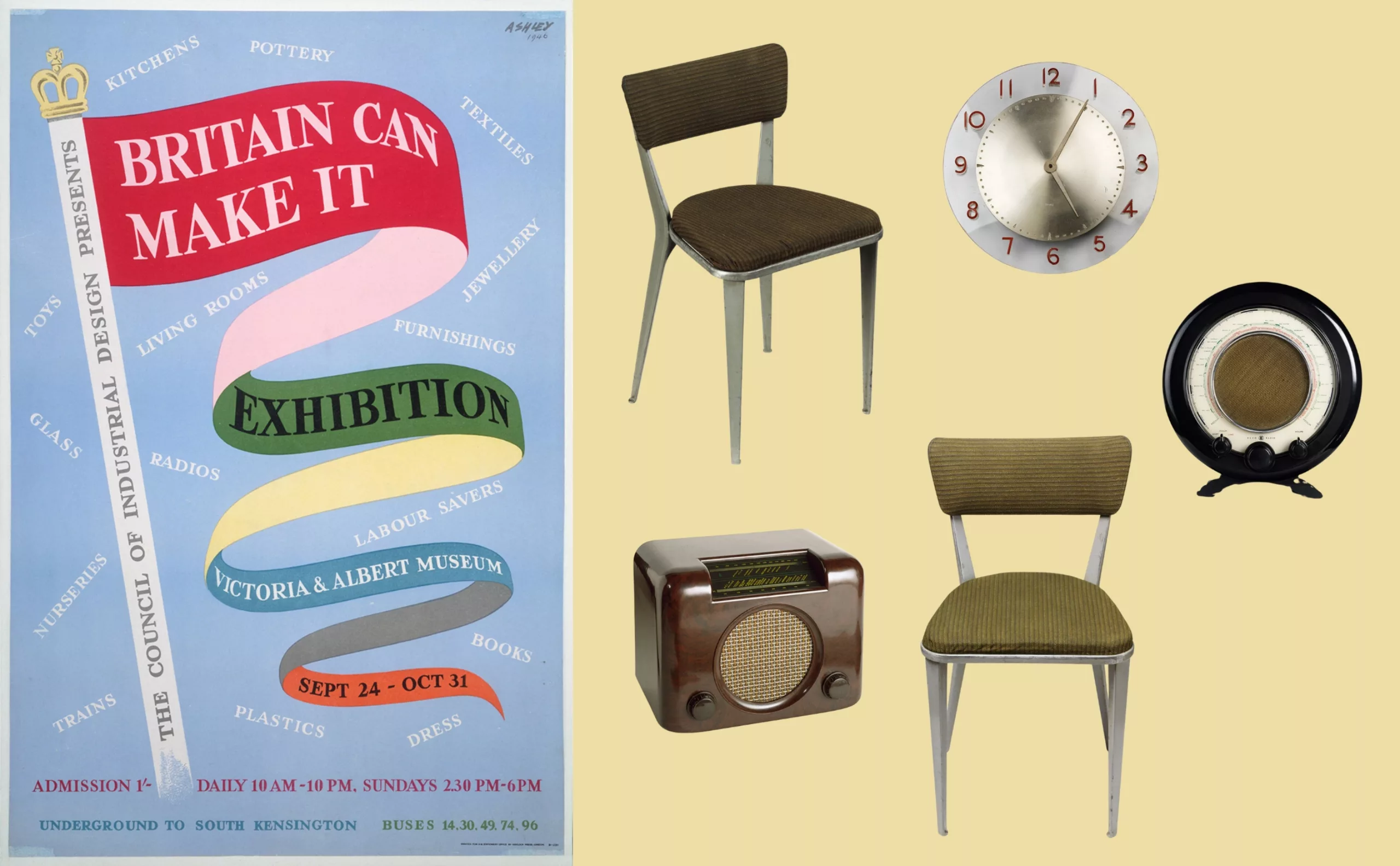
After the Second World War, the shortage of wood limited the production of furniture and everyday objects. As part of the “Britain can make it programme, the designer Ernest Race invented the BA3, a flat-packed, collapsible aluminium chair upholstered with fabric made from surplus military cotton, available in a limited range of colours (green, blue, brown).
Designers also used synthetic alternatives such as acrylic or Bakelite, which were to revolutionise small furnishings with new, bolder shapes in a variety of colours for clocks and radios. These heralded the advent of plastic in the 1950s.
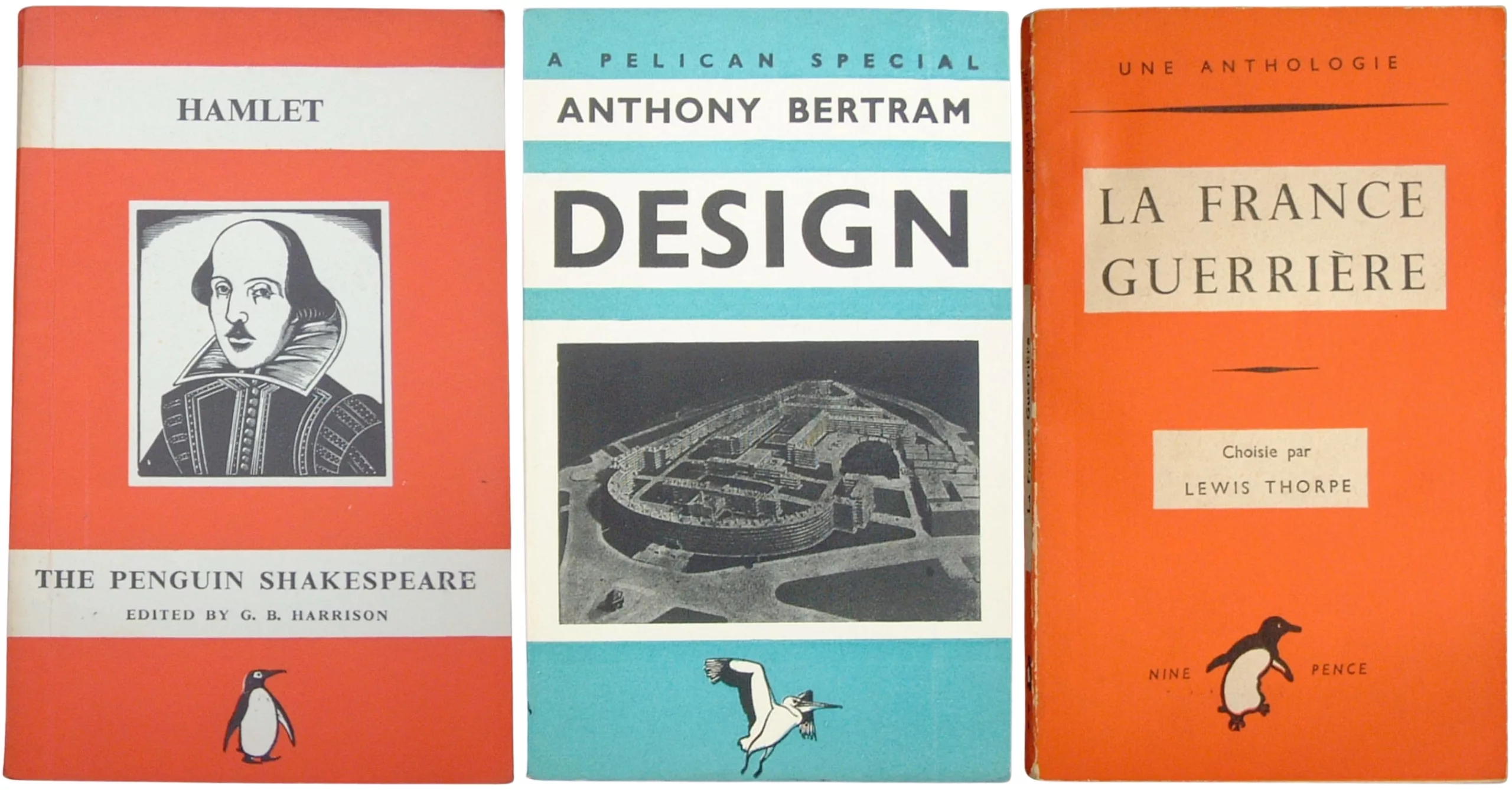
In publishing, paper covers replaced fabric, which had become too expensive following the First World War. The paperback format, invented by Penguin Books, proved ideal for soldiers. Its dimensions fitted neatly into their uniform pockets, with very narrow margins and a minimum number of words per page, set in two columns.
The war also gave a boost to screen printing, which enabled American and European soldiers to print on uniforms, flags, vehicles and propaganda posters. Paper, which was in short supply, was often coated with white paint and reused. The practice fell into obscurity after the war, before being revived in the workshops of May ’68 with Grapus, as a means of free and popular printing.
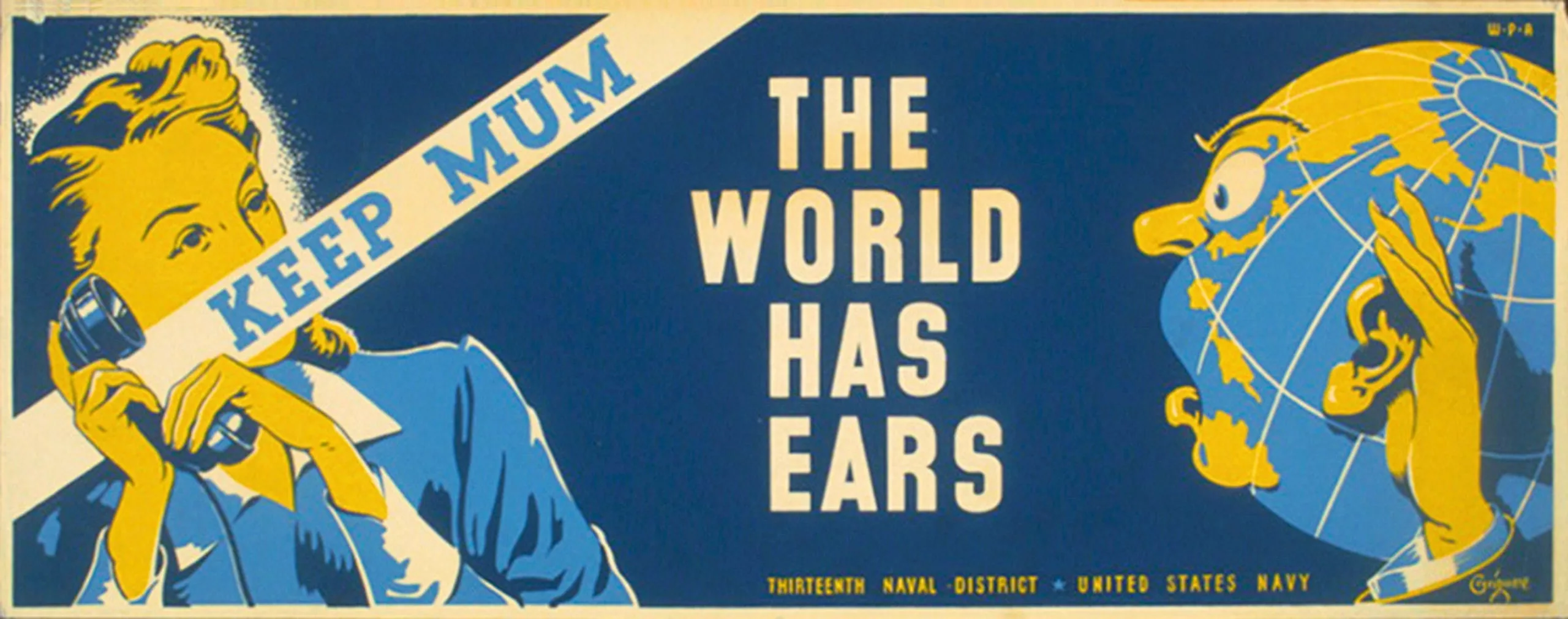
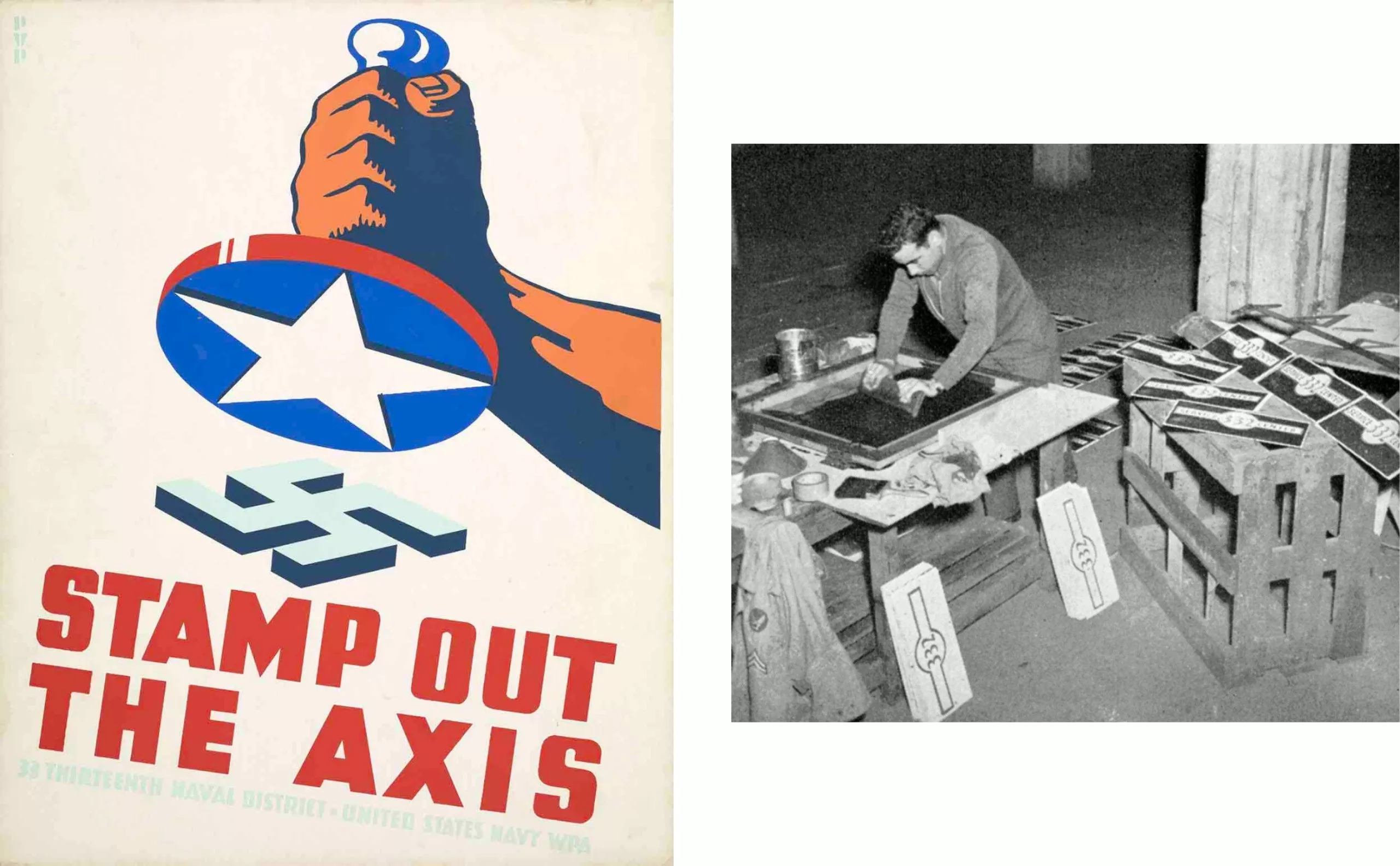
War-related shortages thus directly impact the face of everyday consumption, which, as a result, must adapt its design. Who knows whether the tensions in Iran will soon affect packaging or posters in Europe or the United States?
On the subject
-
Algeco®, an iconic logo and the quest of timeless brand identities
What is a cult and timeless logo? We take advantage of an invitation to decipher the Algeco logo to look at the case of “iconic” logos.
-
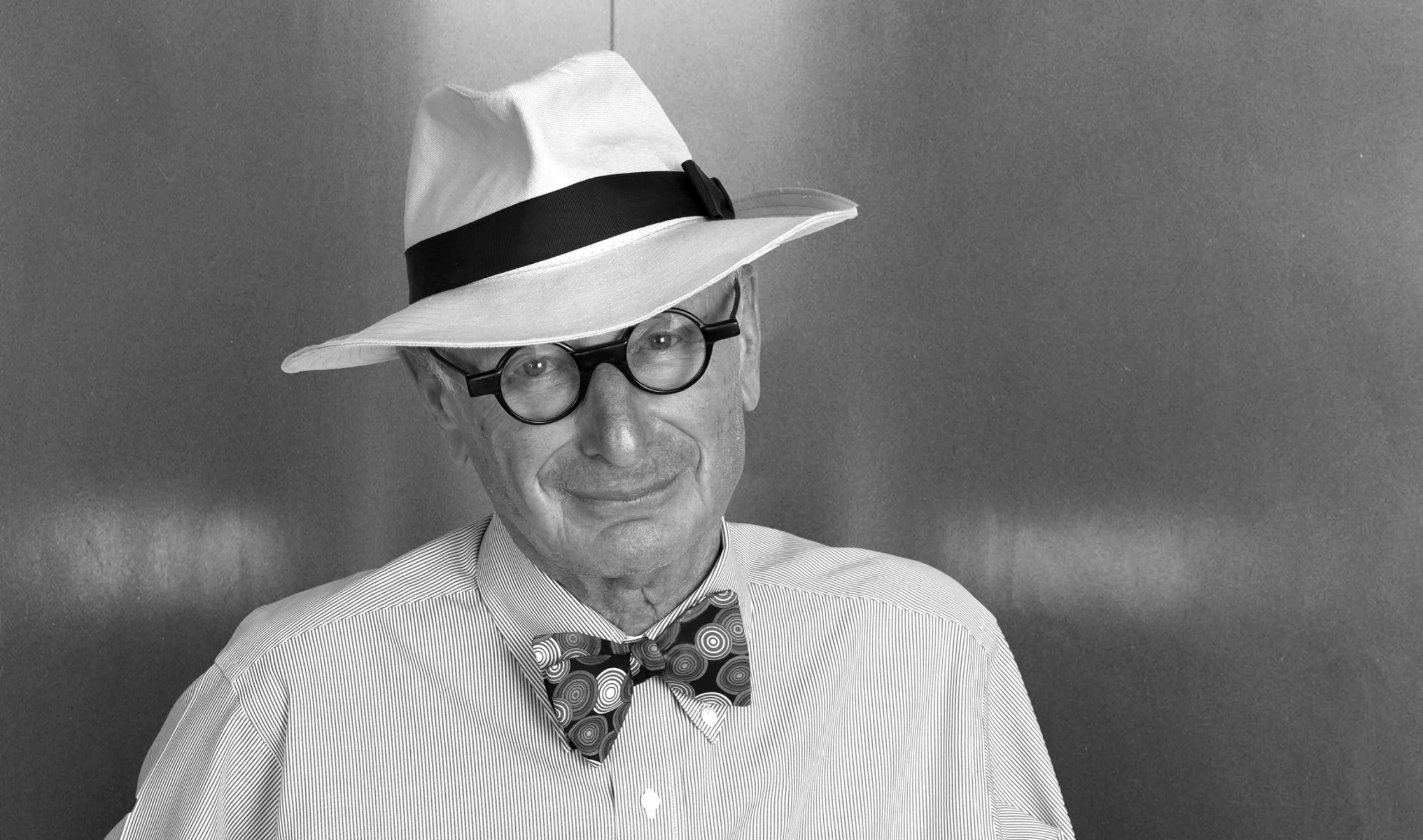
Wally Olins, father of territory branding
Wally Olins is the inventor of business and territorial branding and all the influence that comes with it. Discover his work and our exclusive interview.
-
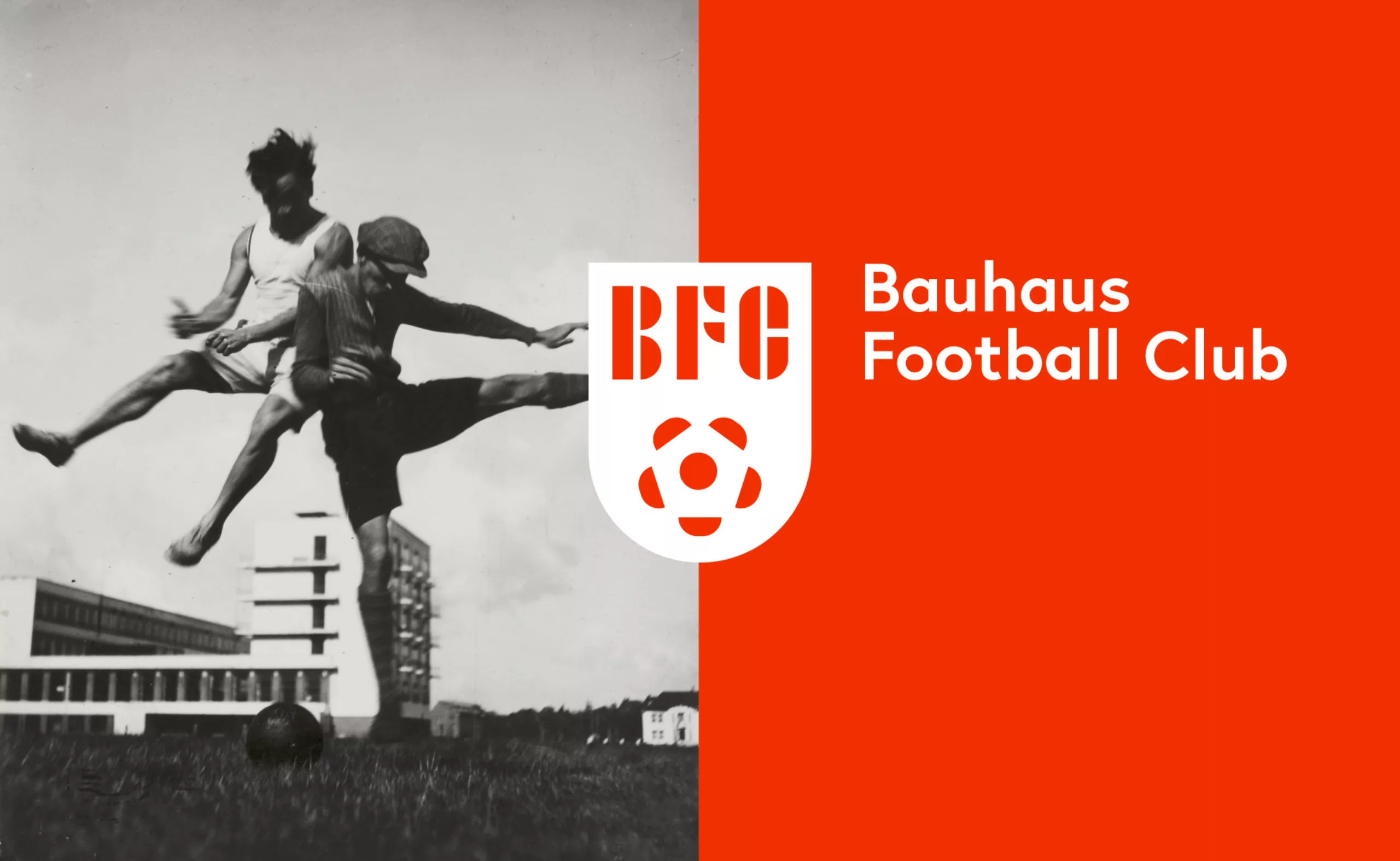
Bauhaus Football Club, the greatest design team of all time!
The Bauhaus Football Club, the story of the most beautiful design team in the world.
When the football world cup is a pretext to revise your classics…