Josep Baqué and the Maximonsters

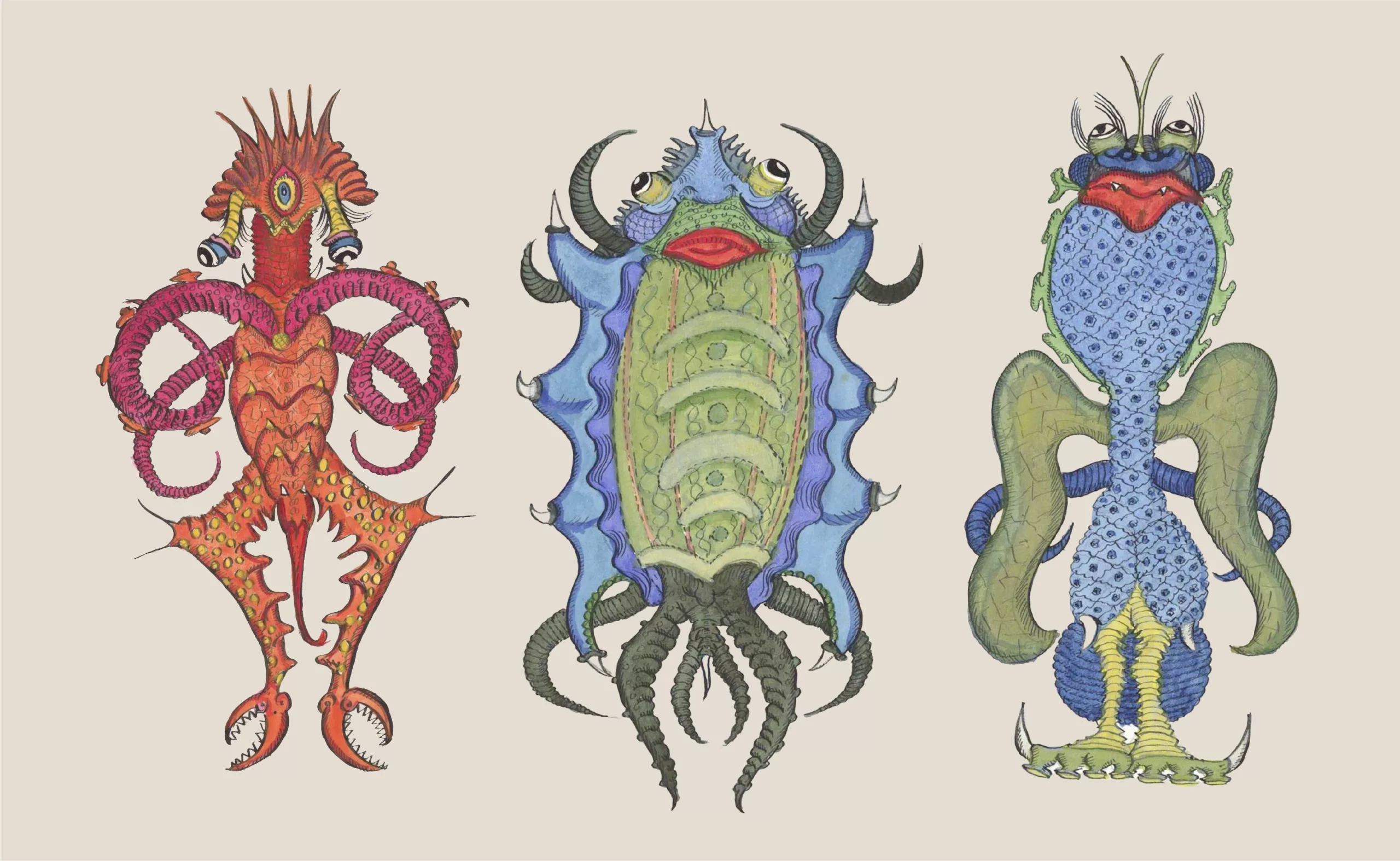
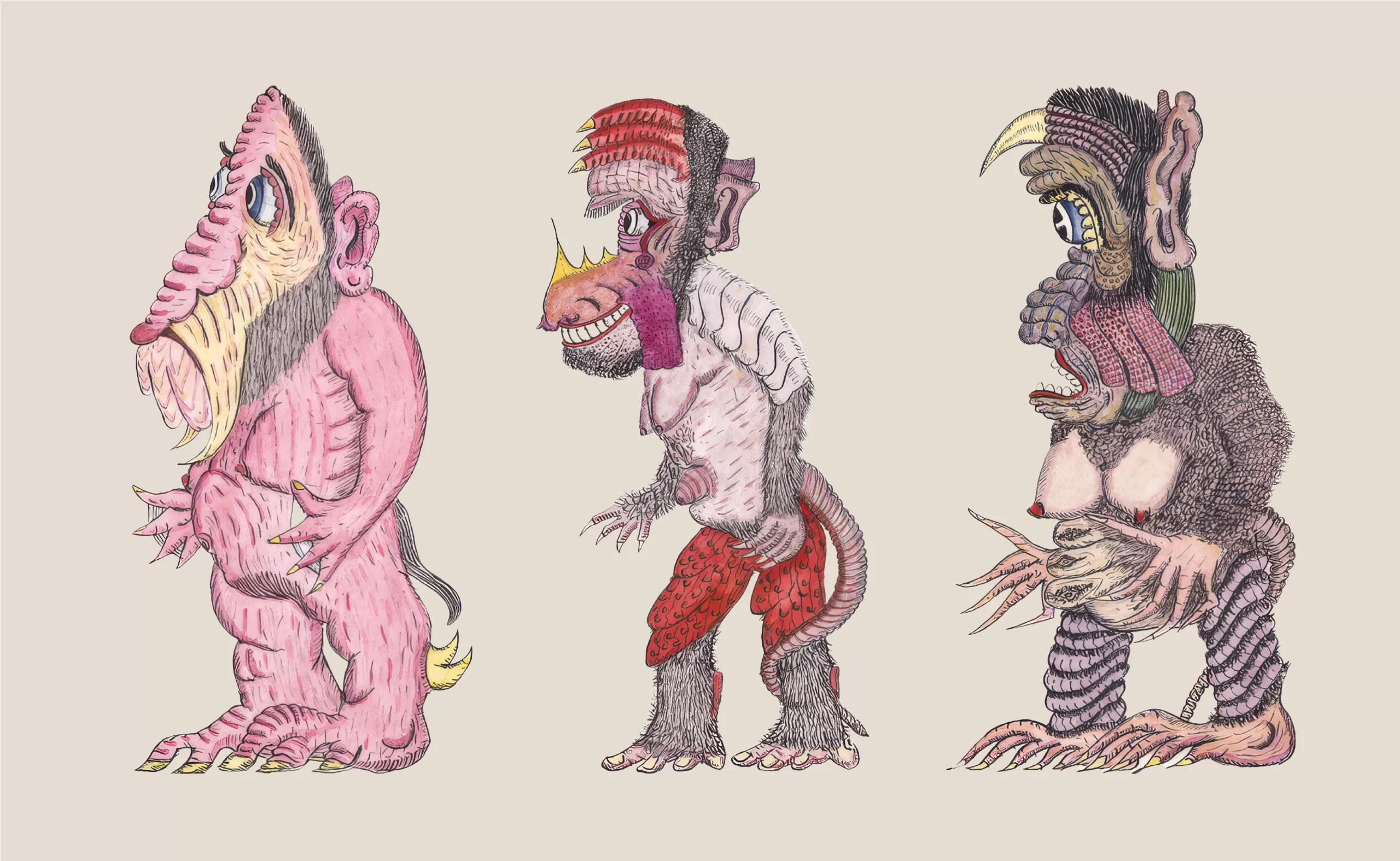
We’re taking you on a journey into the creative madness of Josep Baqué, the creator of an incredible menagerie of whimsical monsters. Multicoloured furry beasts, cyclops dragons, commodore birds and spiders made of panda wool. A mad and slightly unsettling poetry emanates from his obsessive body of work!
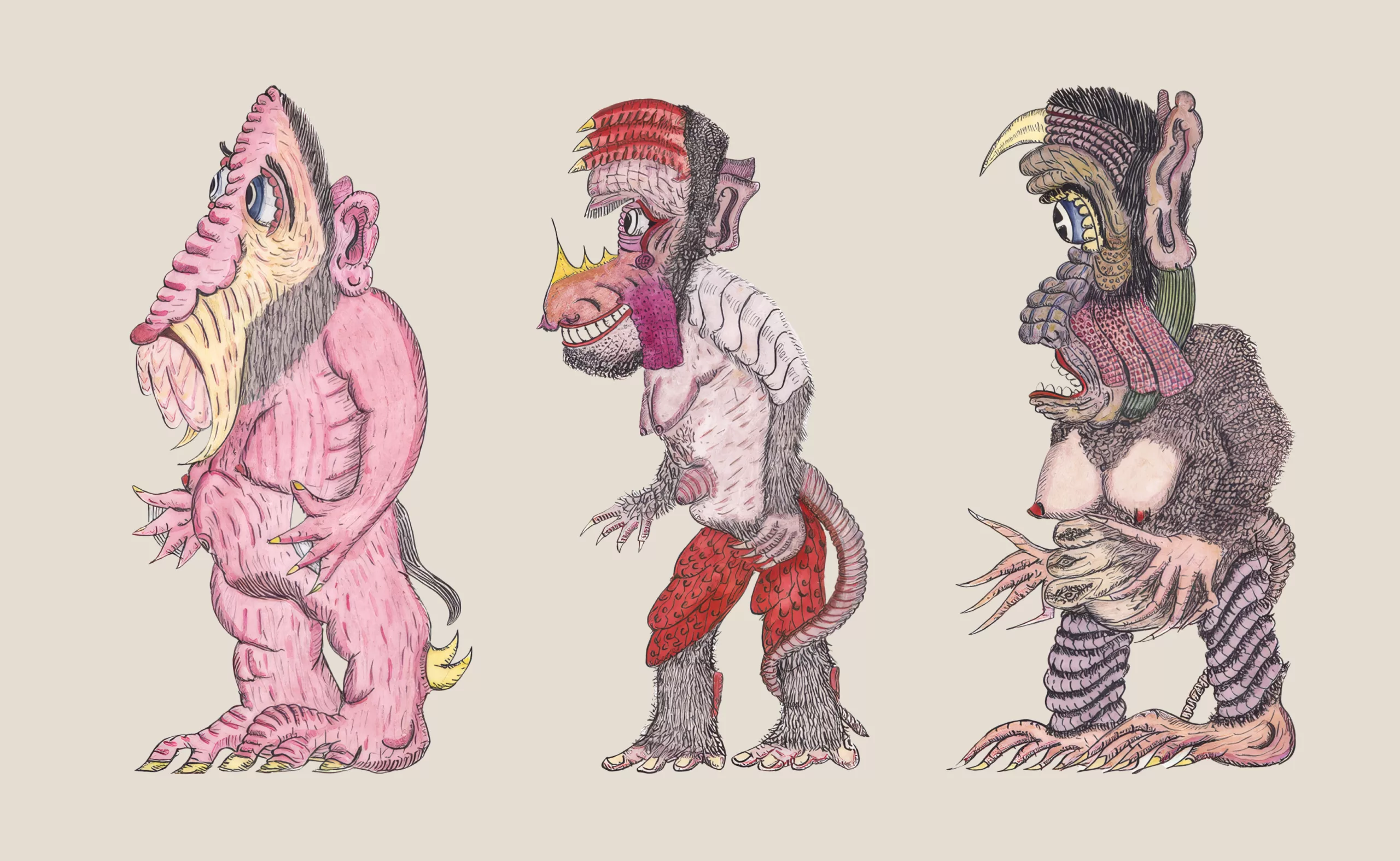
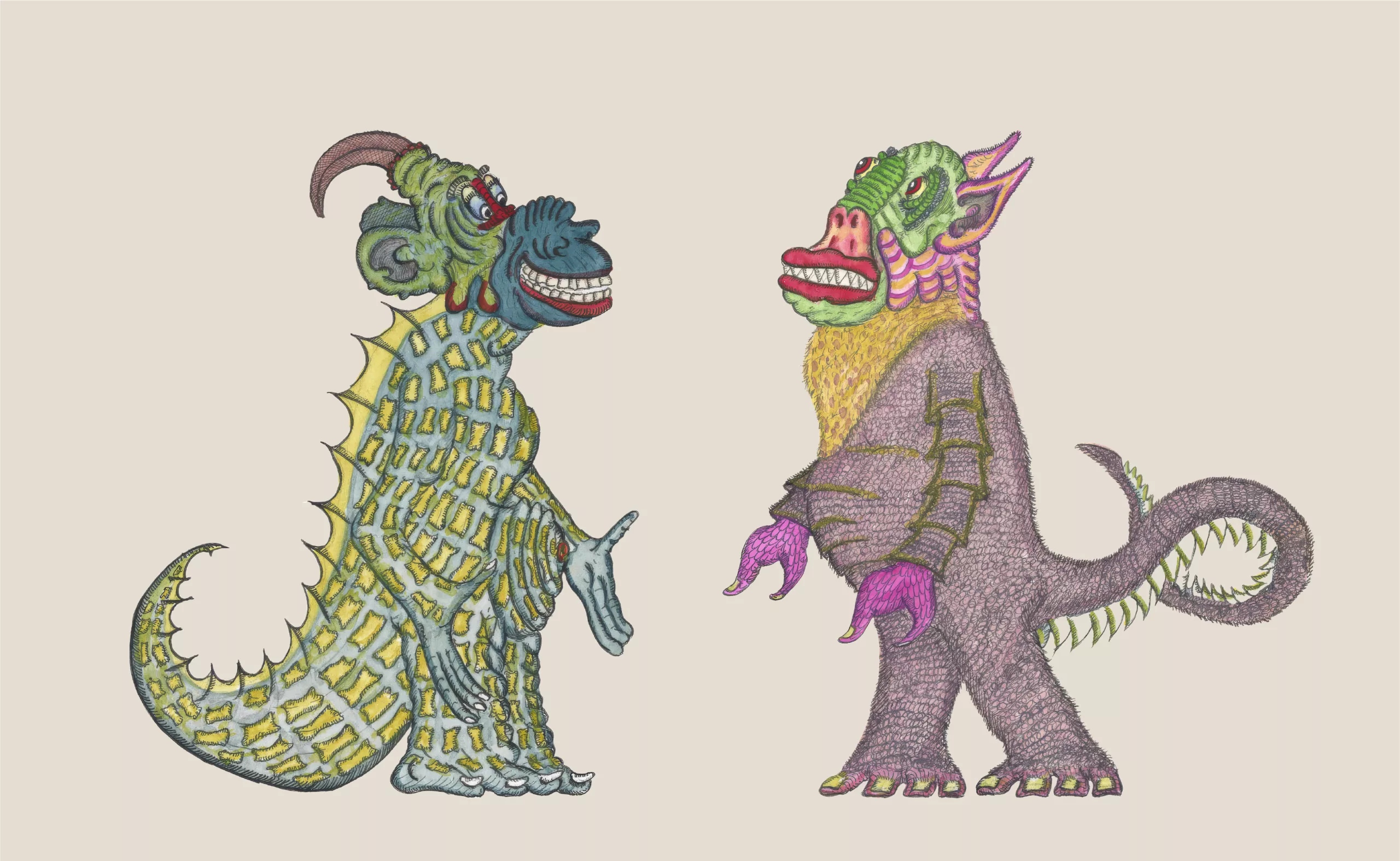
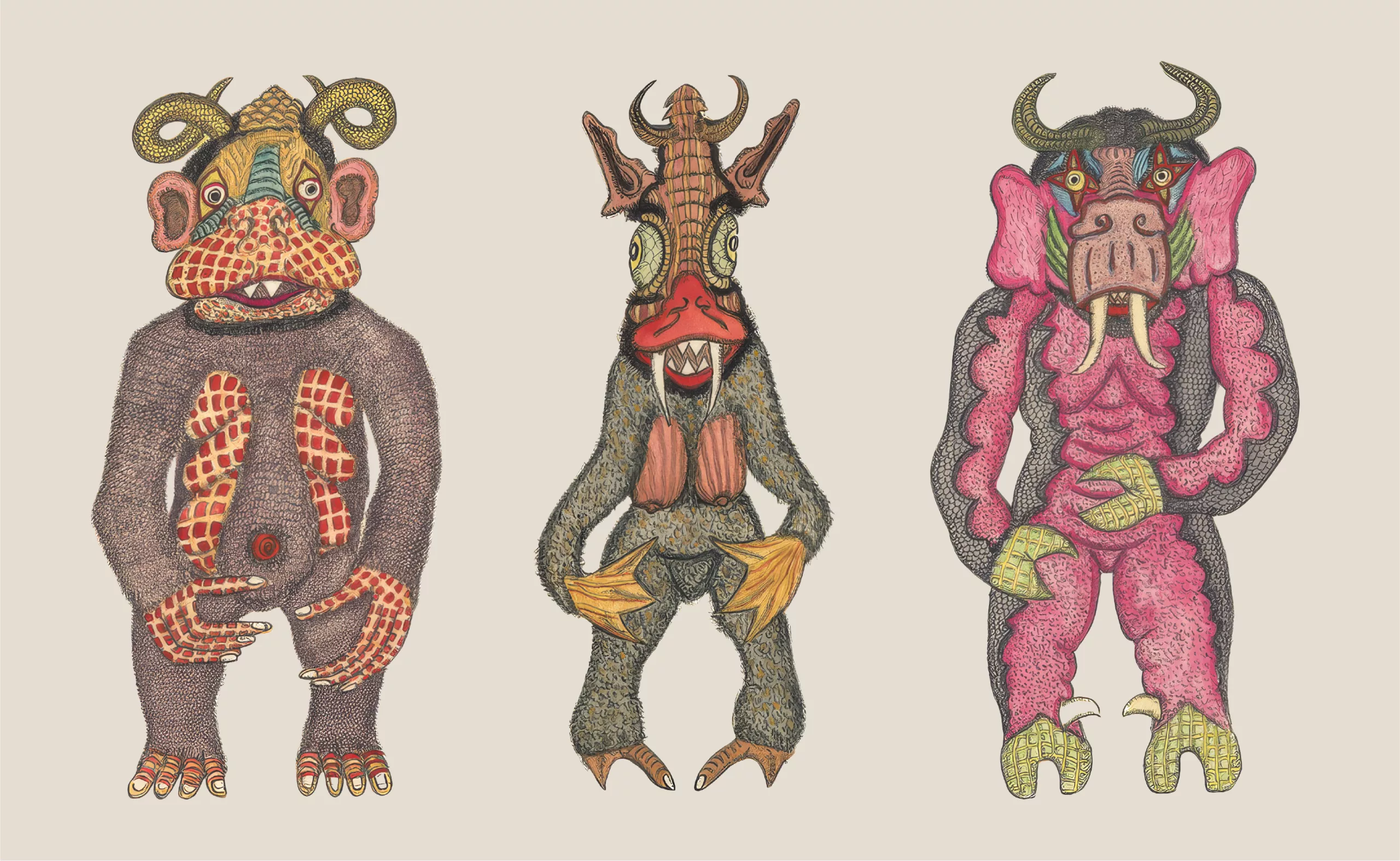
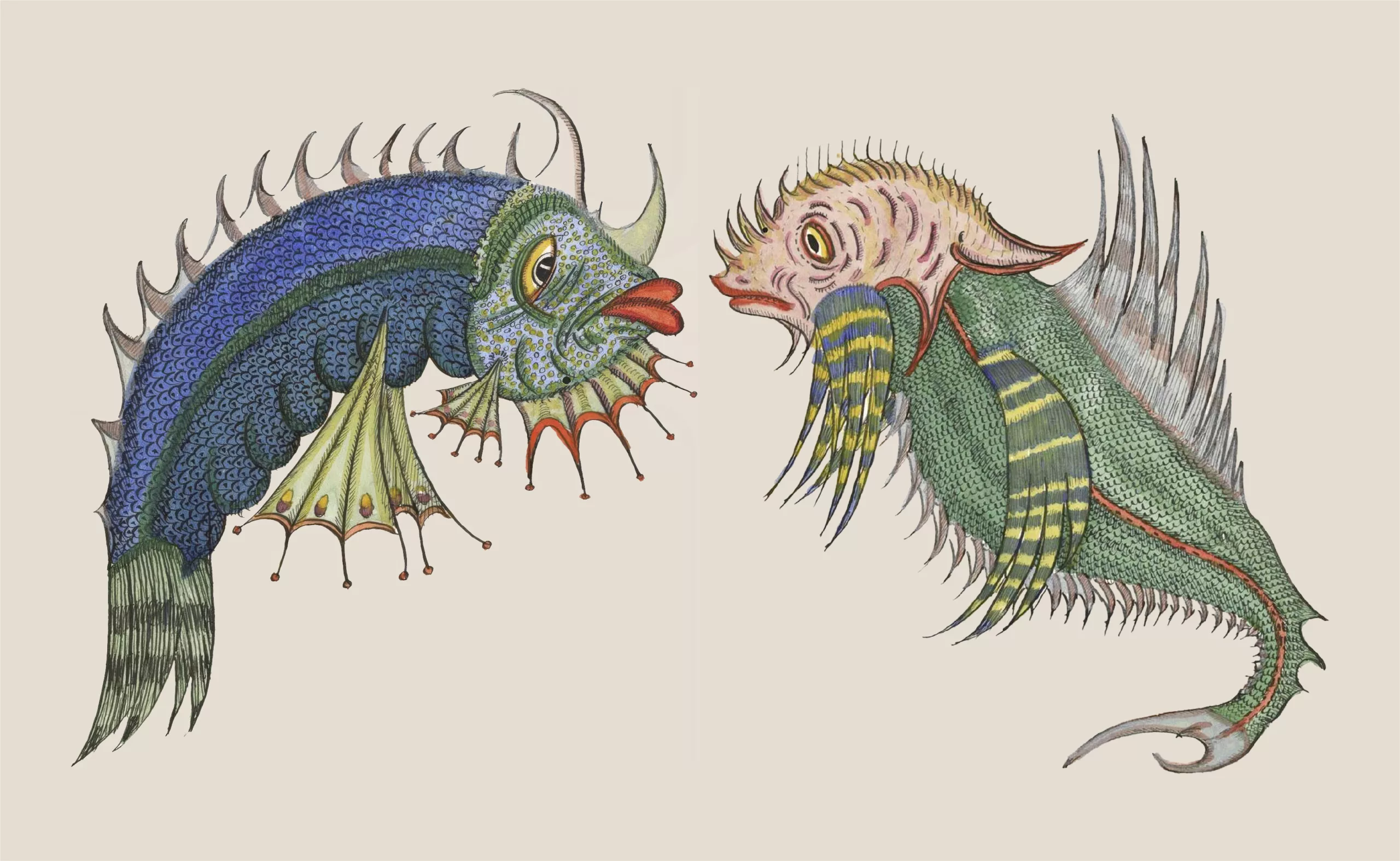
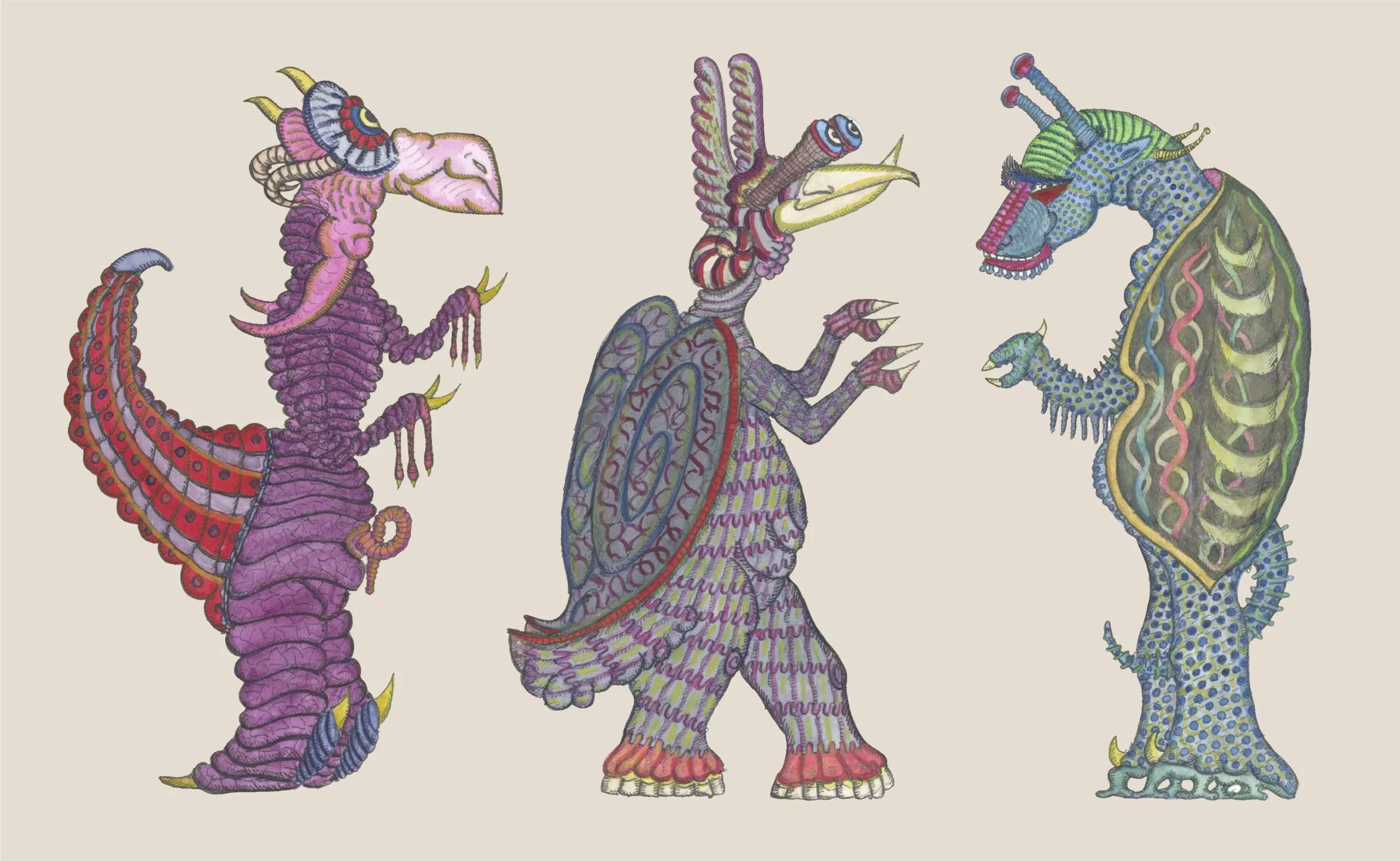
Josep was born in Barcelona in 1895. For more than thirty years, he methodically produced a bestiary comprising over 1,500 creatures spread across 454 carefully organised plates. ‘Animals and wild beasts’, ‘giant spiders’, ‘various fish’, ‘primitive humans’: each family has its own logic, variations and mutations. What is most fascinating is not only the strangeness of the figures, but the rigour with which they are devised.
A police constable in Barcelona, single and living with his mother, Josep Baqué leads a quiet life. He turns down any promotion within the municipal police force, preferring to remain a rank-and-file officer. It is even said that he would deliberately slow down on his patrols to give street vendors time to disappear before he arrived. Behind the civil servant’s uniform lies, in reality, a dreamy, almost childlike nature.
In the privacy of his bedroom, Josep creates a rich and varied world populated by monsters, rare phenomena and impossible animals. A solitary, obsessive body of work, situated somewhere between art brut, scientific illustration and a cabinet of curiosities.
His childhood already seemed to foreshadow this fascination with parallel worlds. From a very early age, Josep showed little interest in school but was deeply drawn to popular imagery, illustrated magazines and decorative forms. For him, drawing quickly became a mental refuge.
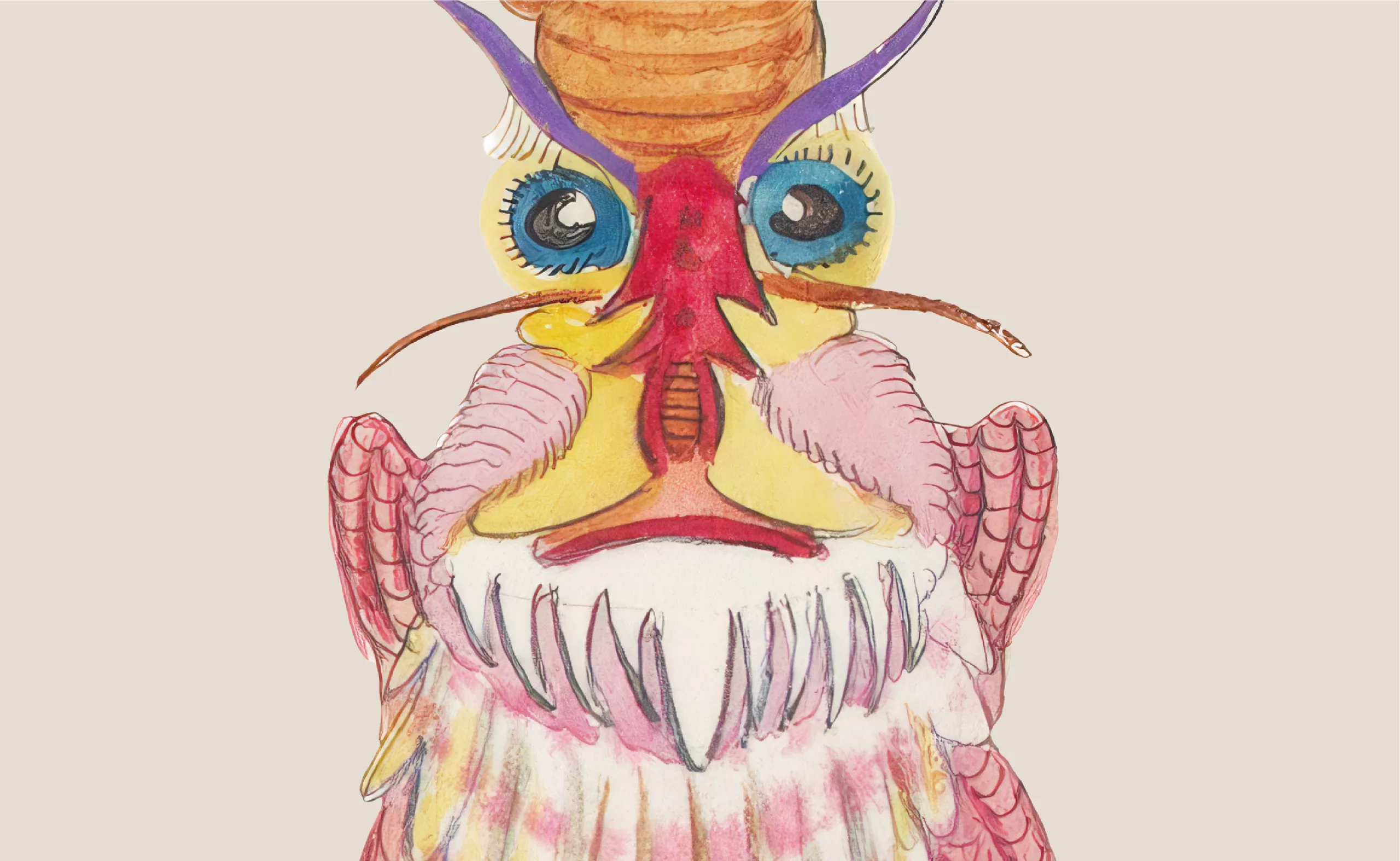
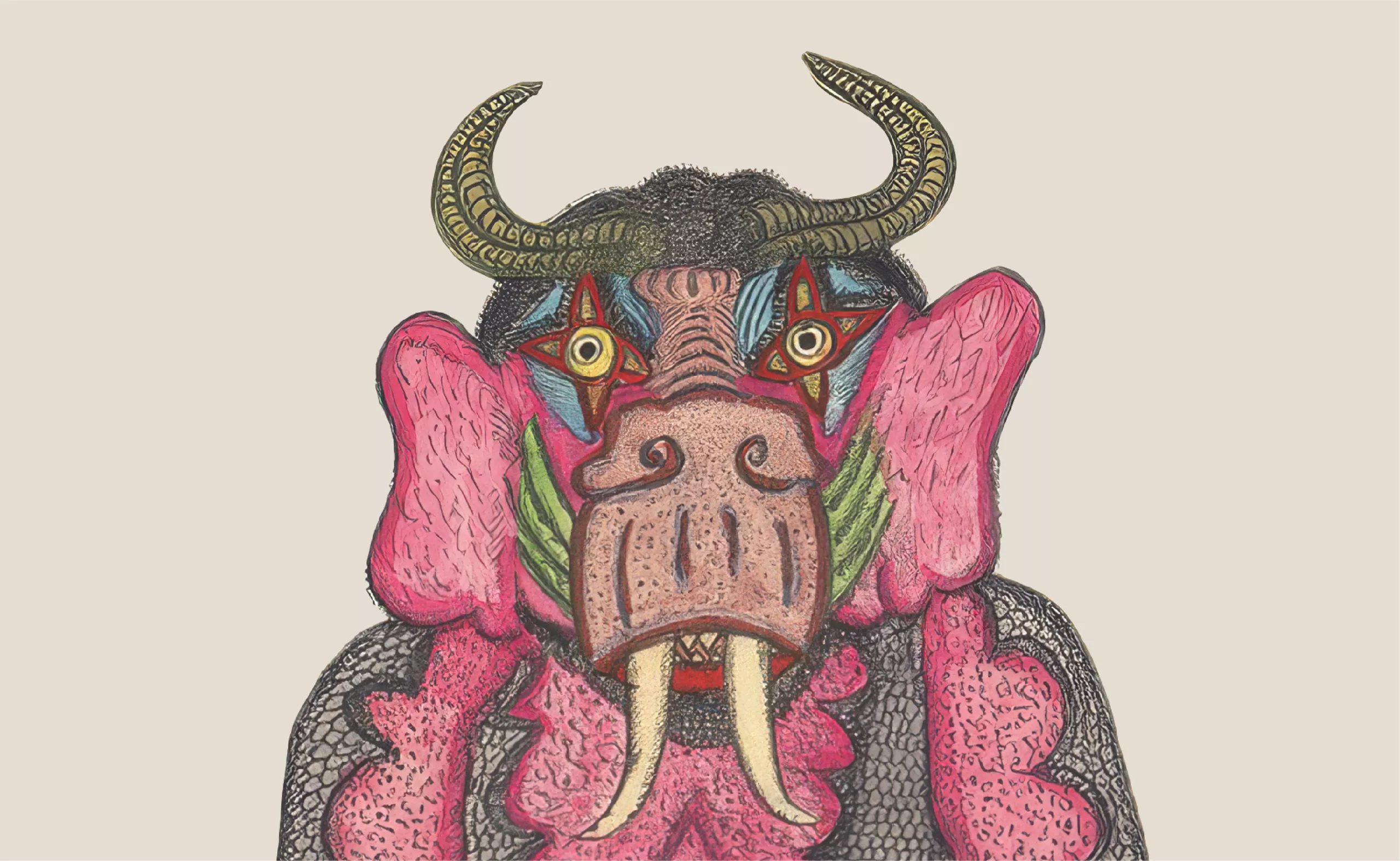
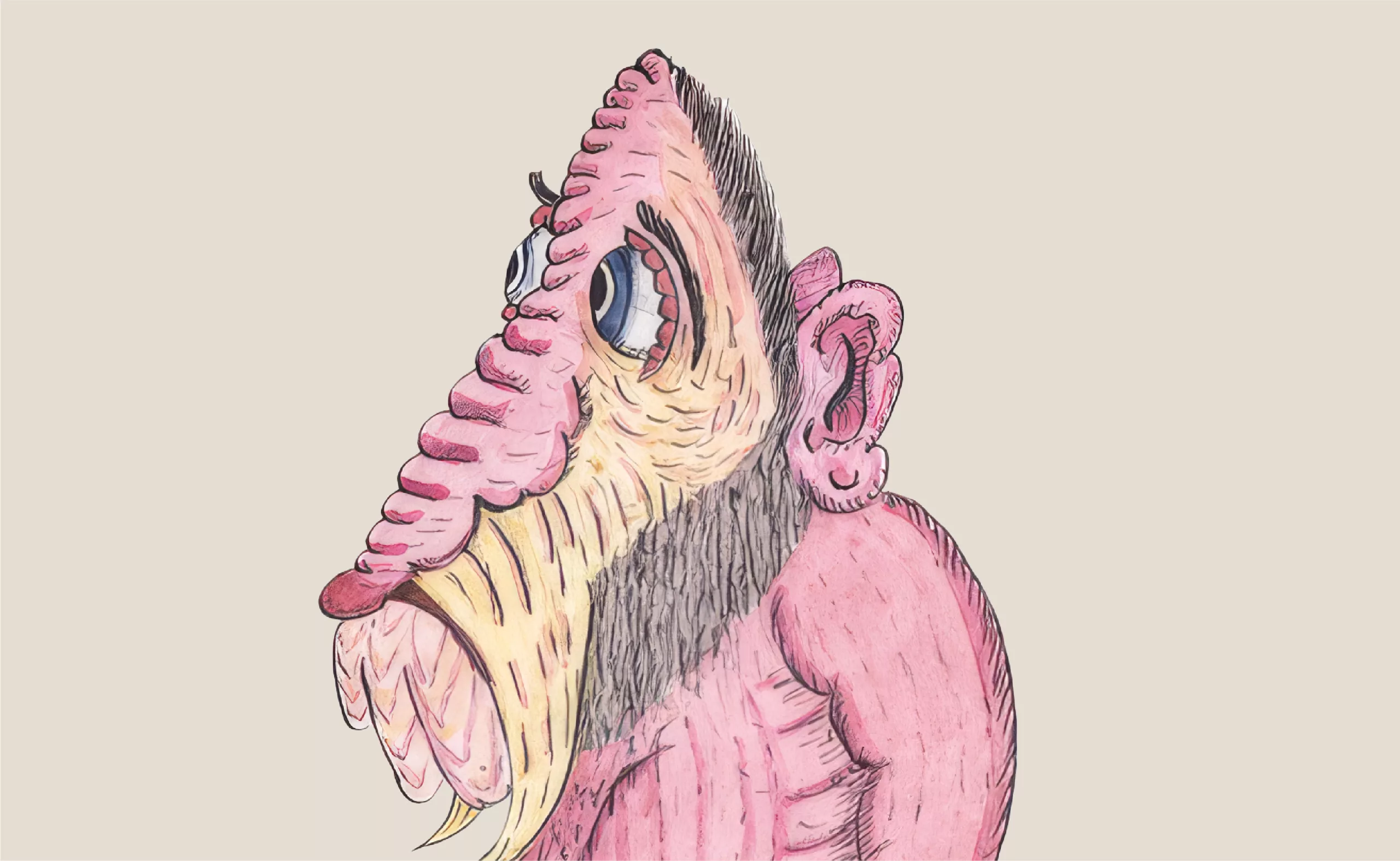
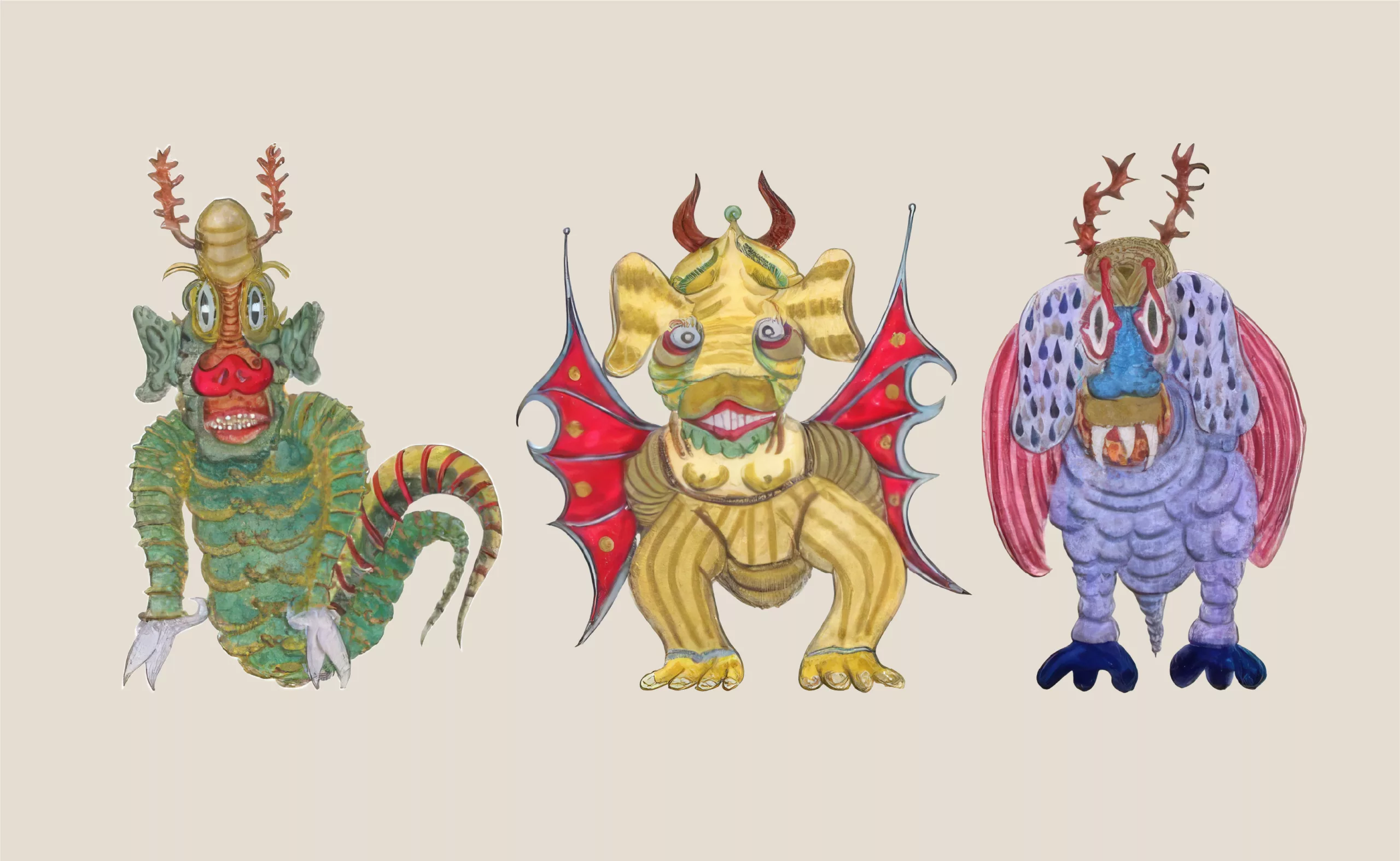
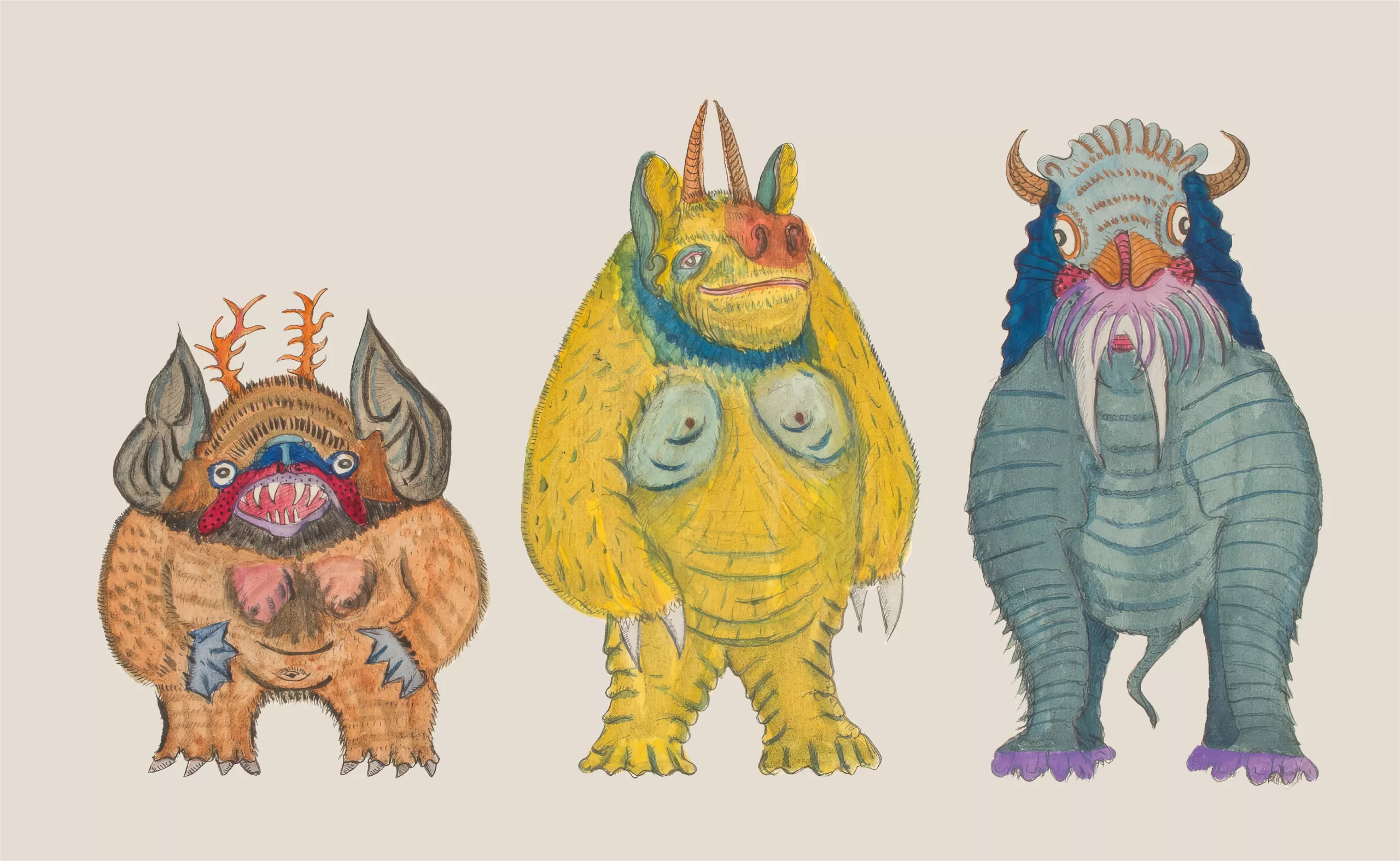
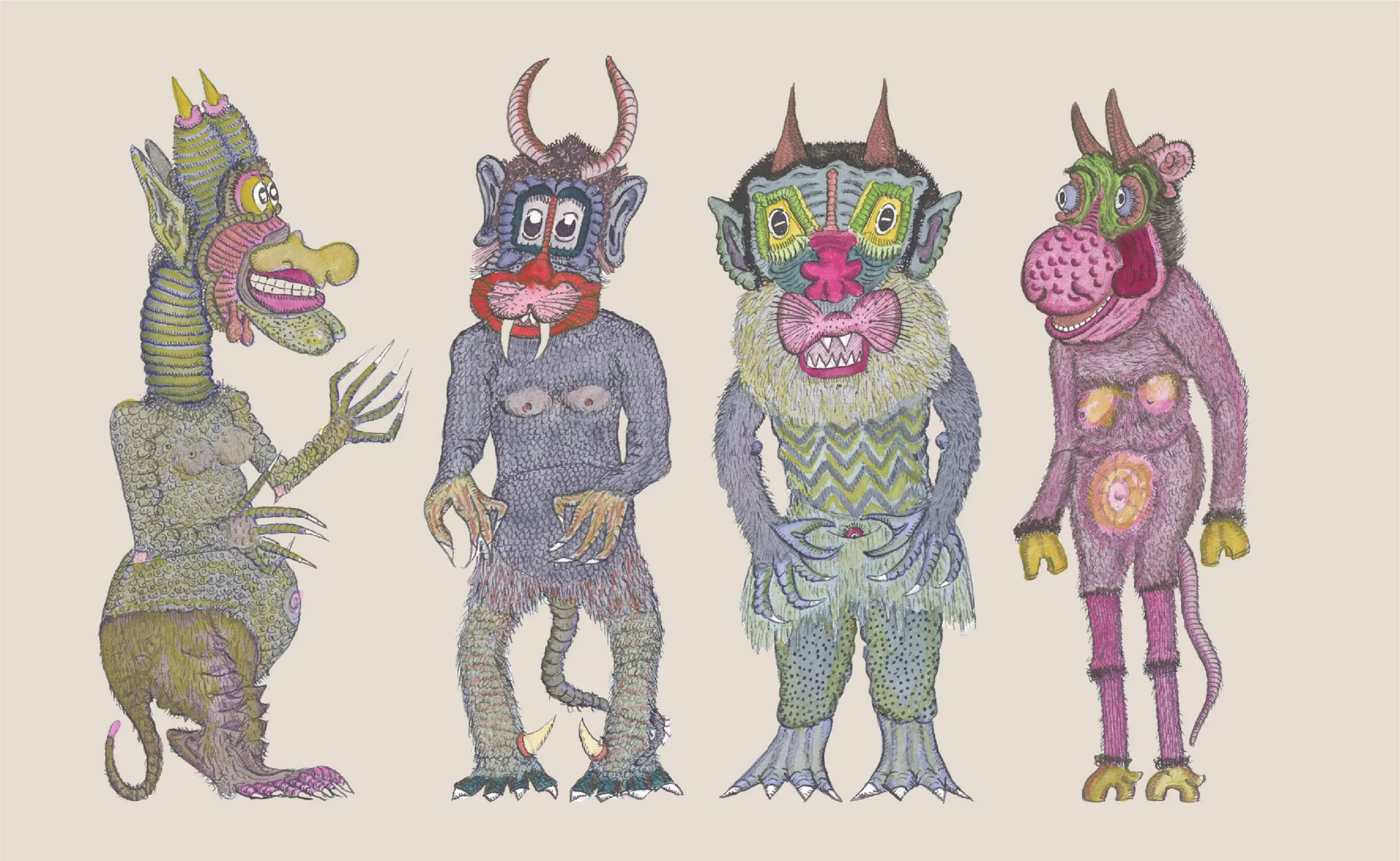
His creatures seem to have emerged from an imaginary laboratory. Claws, antennae, carapaces, pustules, scales and mandibles come together in ever-changing combinations. Each monster evolves from the previous one, like a slow and continuous mutation. An extra horn, a different texture, an unexpected disproportion – and a new species appears.
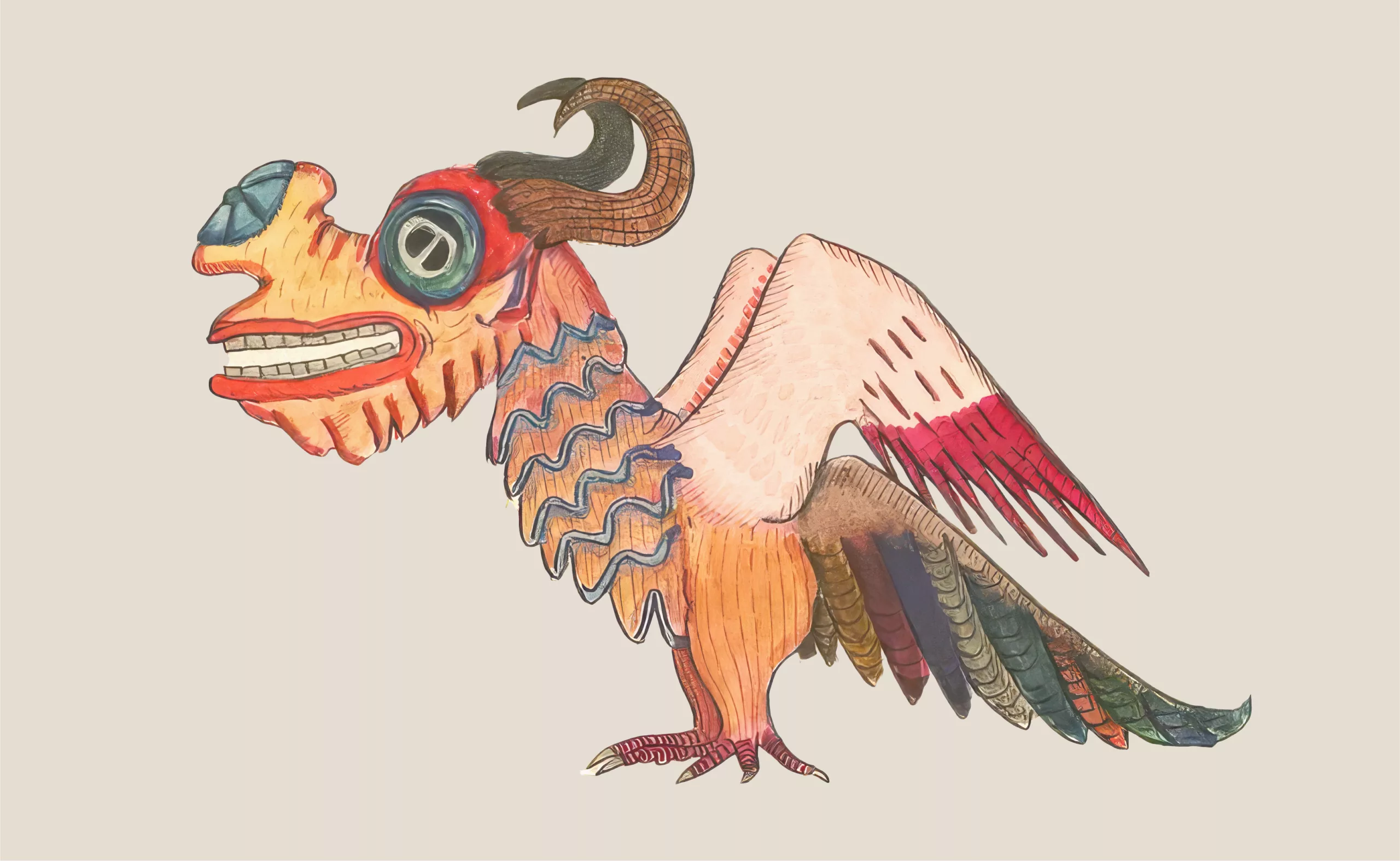
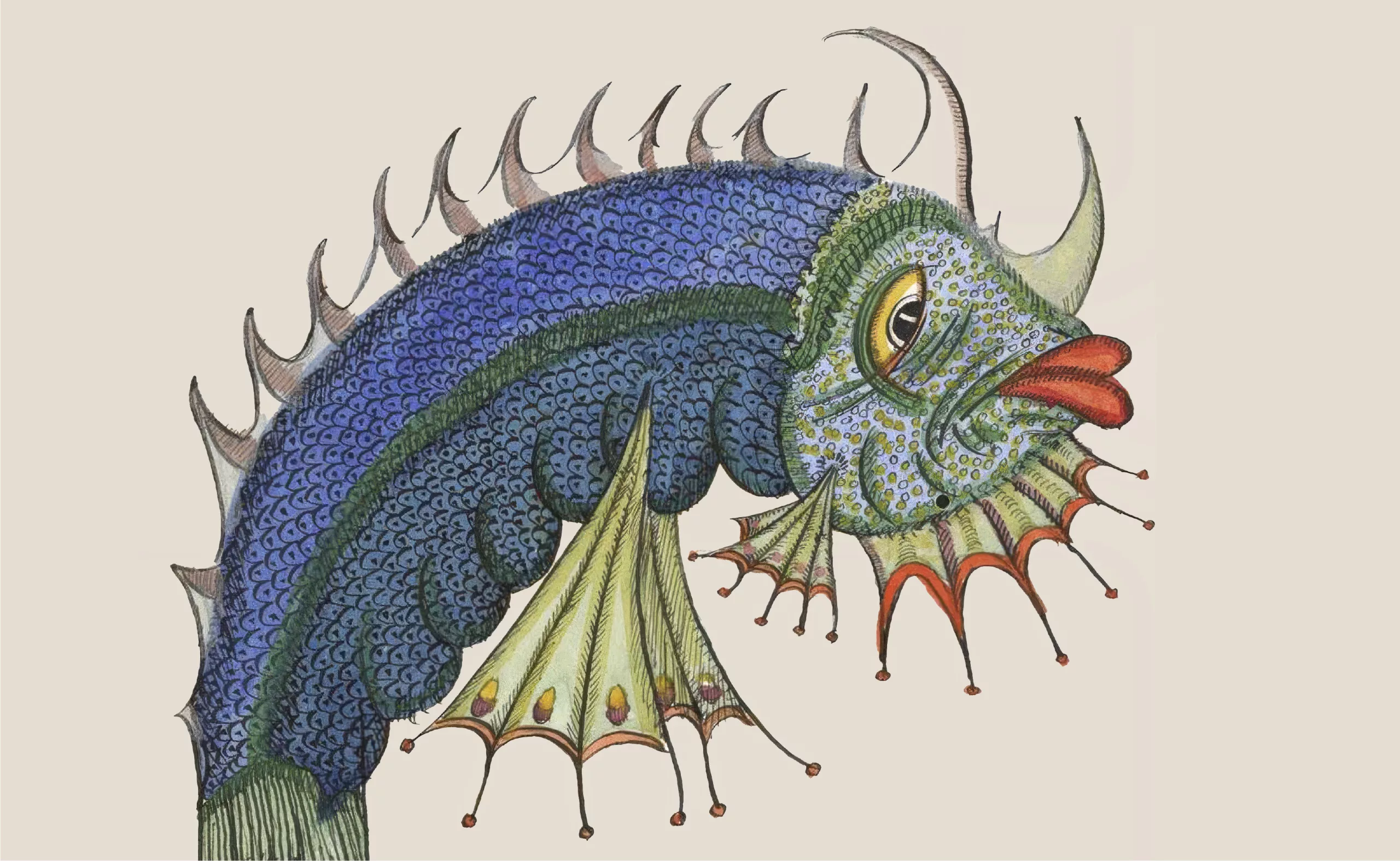
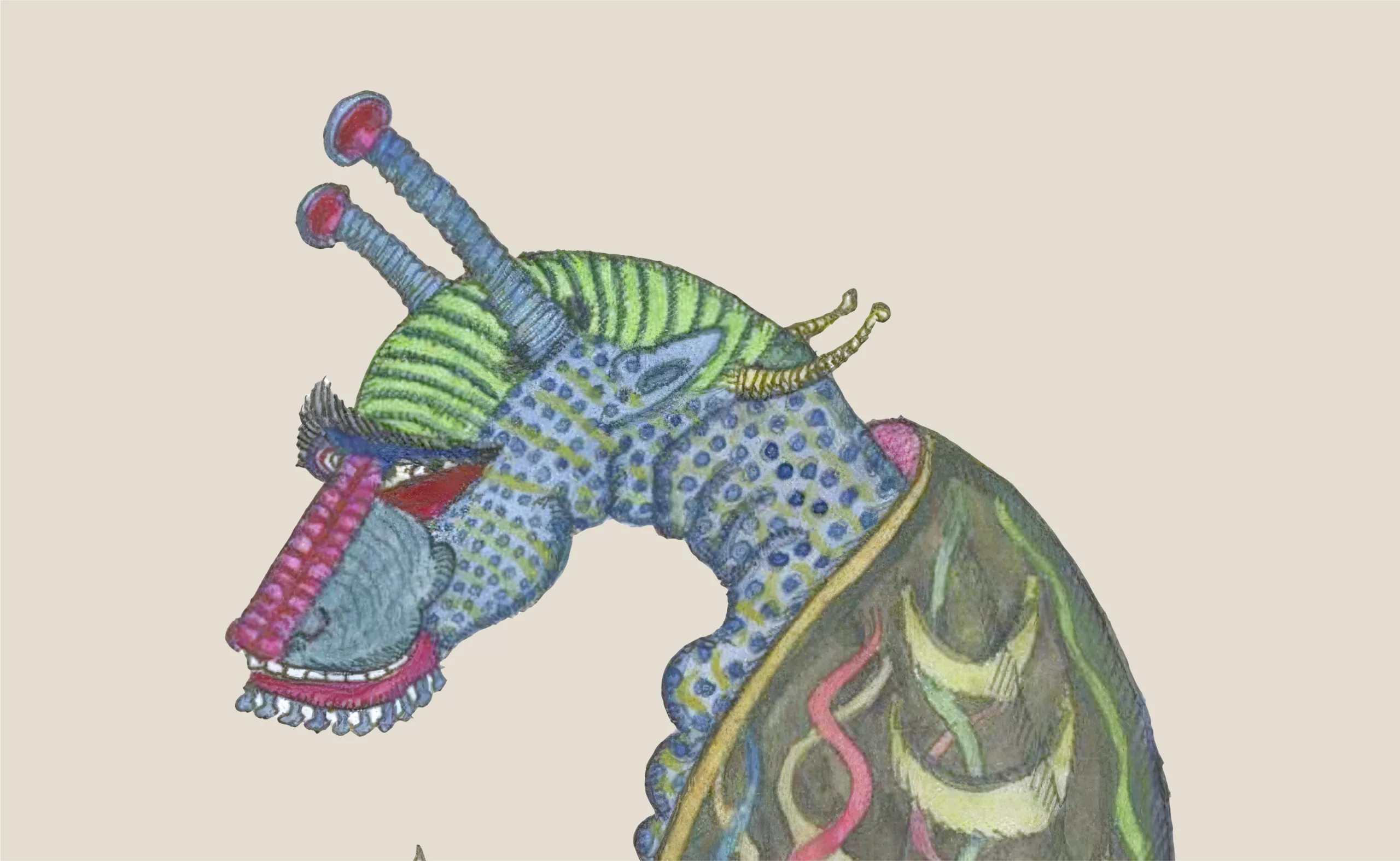
Josep does not draw scenes: he displays specimens. Each plate functions as a fictional zoological catalogue. The creatures are lined up, observed and compared. Some resemble oversized insects, others absurd fish or prehistoric birds. Despite their strangeness, they all seem to belong to a perfectly coherent internal logic.
This approach creates a peculiar sense of unease. For despite their grotesque appearance, his monsters possess something deeply endearing. They are reminiscent of Maurice Sendak’s creatures in *Where the Wild Things Are*: at once unsettling and funny, over-the-top but never entirely threatening. Some of the figures even seem to pose with a strange gentleness.
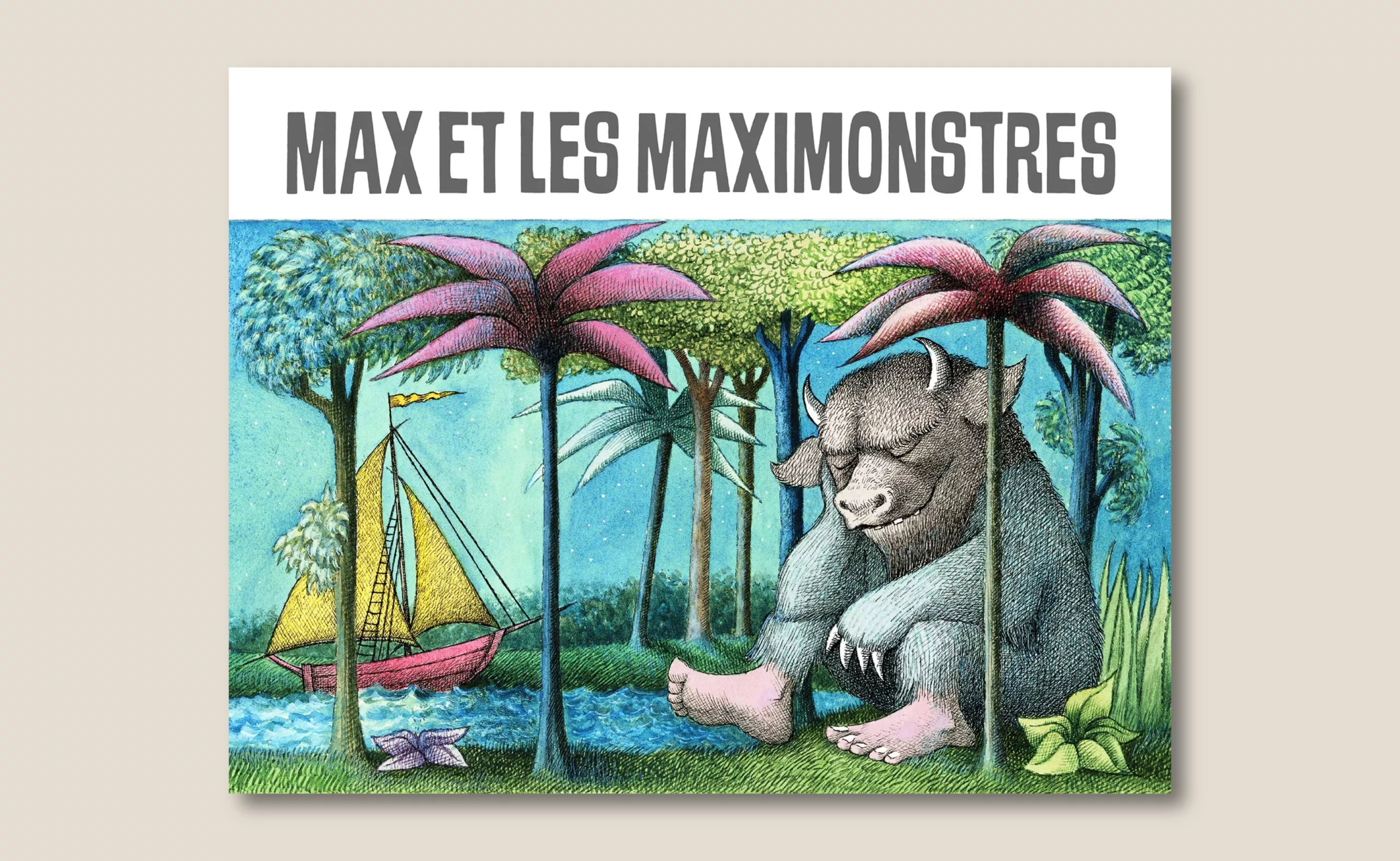
And since we’re on the subject of Maurice Sendak, now is the perfect time to recommend that you watch Spike Jonze’s film. Deprived of his evening meal by his mother after being cheeky, young Max runs away from home on a journey to an island inhabited by creatures known as the Maximonsters (Where the Wild Things Are in the original version), over whom he becomes king. A masterpiece that resonates deeply with Josep’s work!
The monster then becomes a visual language
Through repetition and variation, Josep constructs a veritable grammar of forms. His work is almost reminiscent of certain contemporary design methods: the creation of visual families, modular systems, and an organic coherence between elements. Each design engages in a dialogue with the one before it, whilst asserting its own uniqueness.
This serial logic lends his work a striking modernity. Long before the concepts of visual generation or parametric design had emerged, Josep intuitively explored the infinite possibilities of variation. His monsters function as iterations of a single organic alphabet.
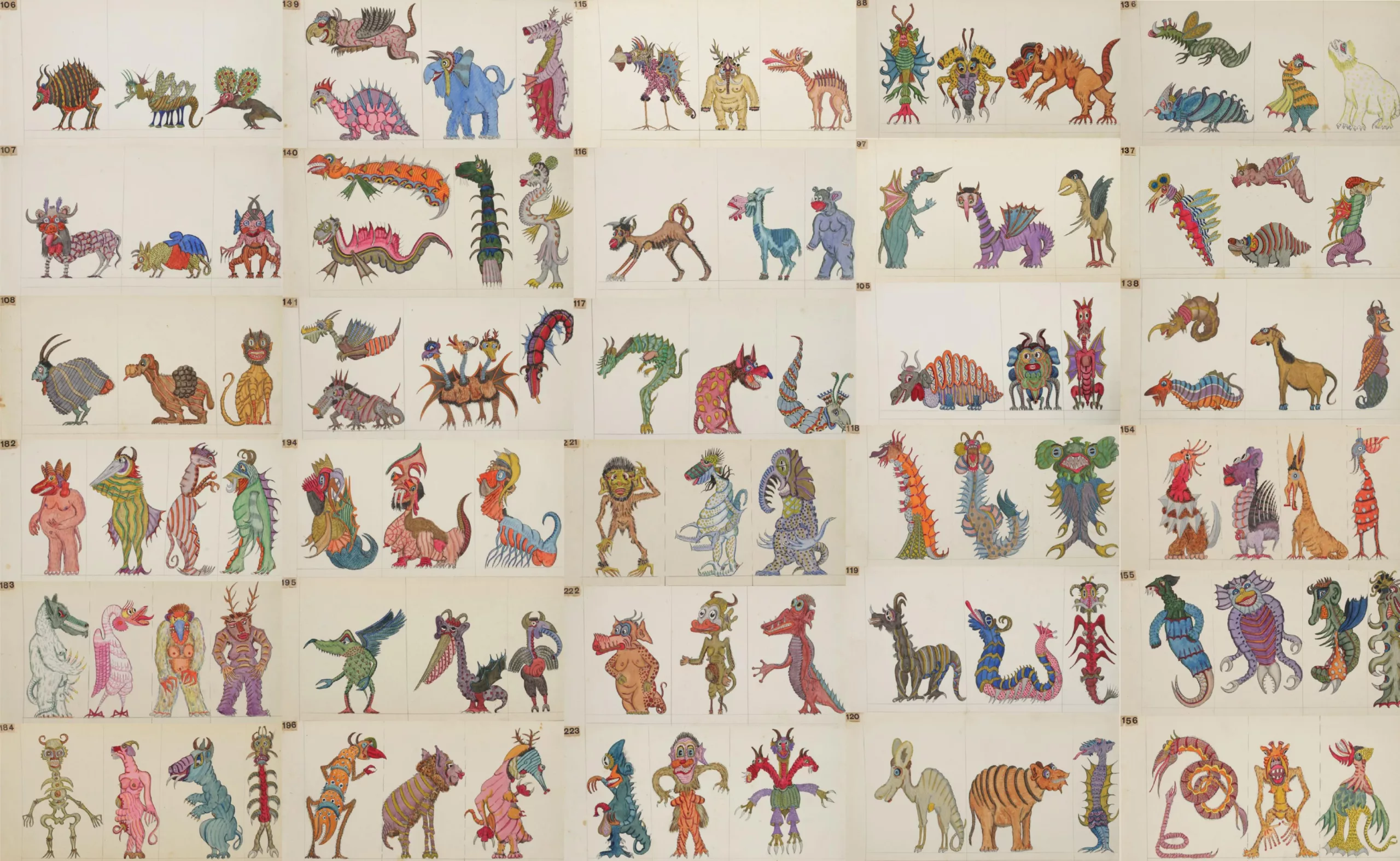
For behind the wealth of detail and technical precision (gouache, ink, graphite, metallic highlights) lies a deeper reflection on our need to name, classify and represent the unknown. He transforms the imagination into an archive. He organises the bizarre with almost scientific precision.
And perhaps this is where the strength of his bestiary lies: in this constant tension between method and madness.
His monsters do not seek to escape reality. On the contrary, they reveal its hidden strangeness. Like distorting mirrors, they distil our fears, our fascinations and our attraction to hybrid forms. Improbable creatures, sometimes clumsy, often fascinating, but always deeply alive.
On the subject
-

The futuristic world of Brantonne
In September 1951, René Brantonne began a collaboration with the publishing house Fleuve Noir that was to last more than 20 years (from 1951 to 1965), working on the legendary “Anticipation” series, for which he created 273 original covers.
-
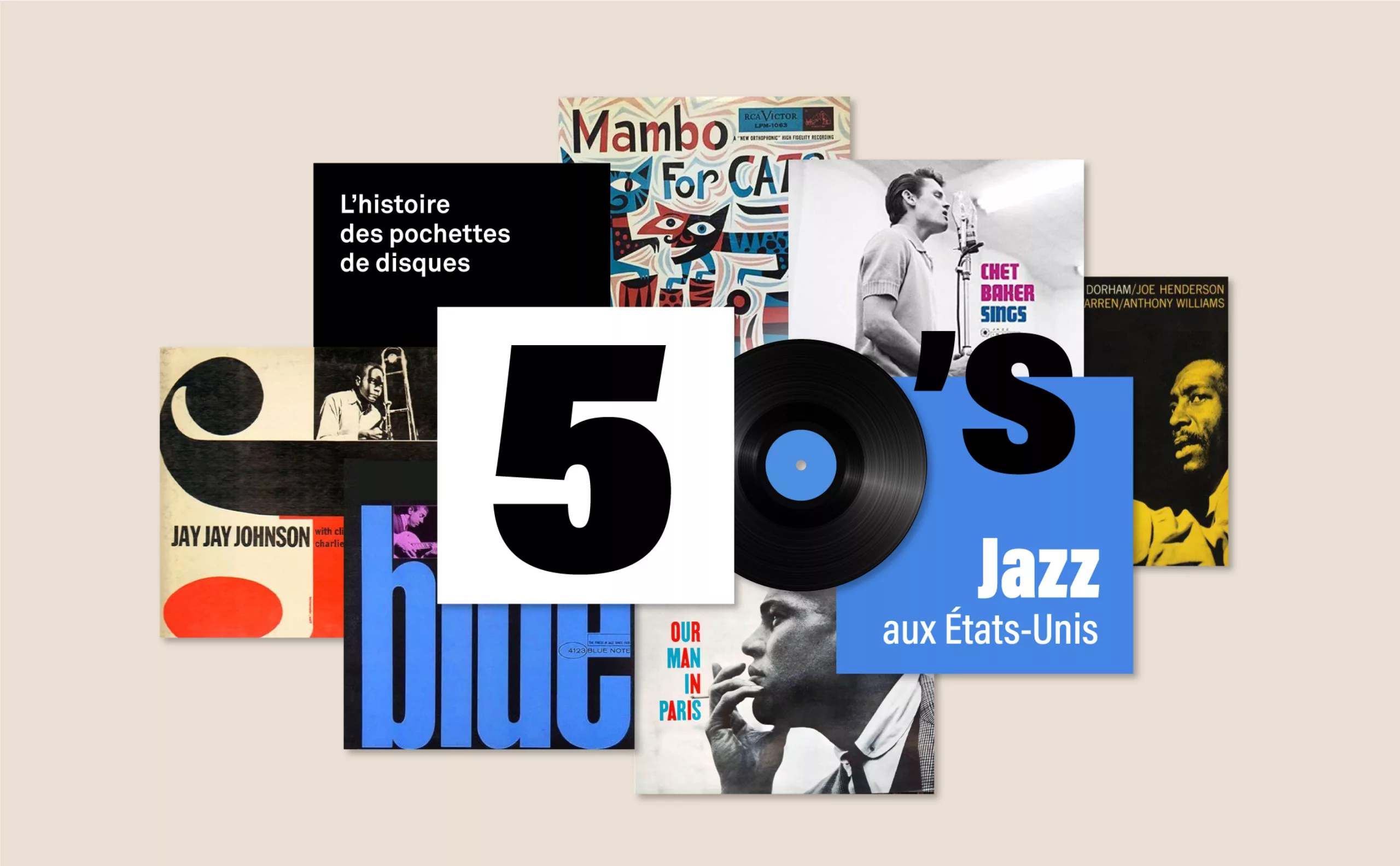
History of record covers: the face of 50s jazz
The vinyl sleeves come to life with jazz. It is a whole graphic universe that makes the music heard, through the illustration or the photo.
-
The 2024 Olympic Games will not get a gold medal for their pictograms
The organizers have unveiled the new Olympics pictograms of the Paris 2024 Games, which totally lose us.