Sign painters make cities glow up
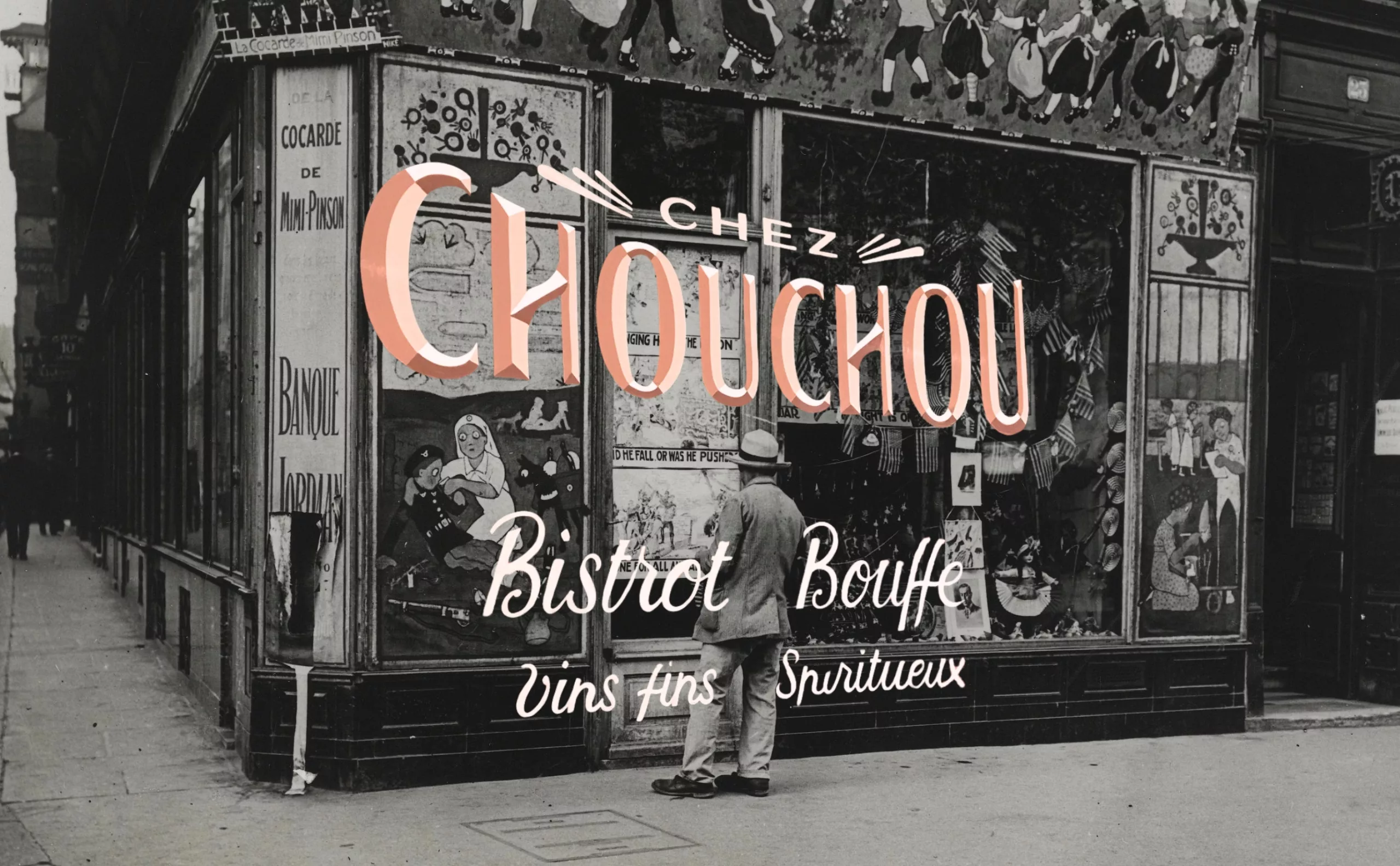
Having been the norm for decorating shop fronts for several centuries, sign painting fell into obscurity. It has been making a colourful comeback for the past ten years or so, and is now a symbol of authenticity, handcrafted quality, craftsmanship, luxury and expertise for the shops that display it.
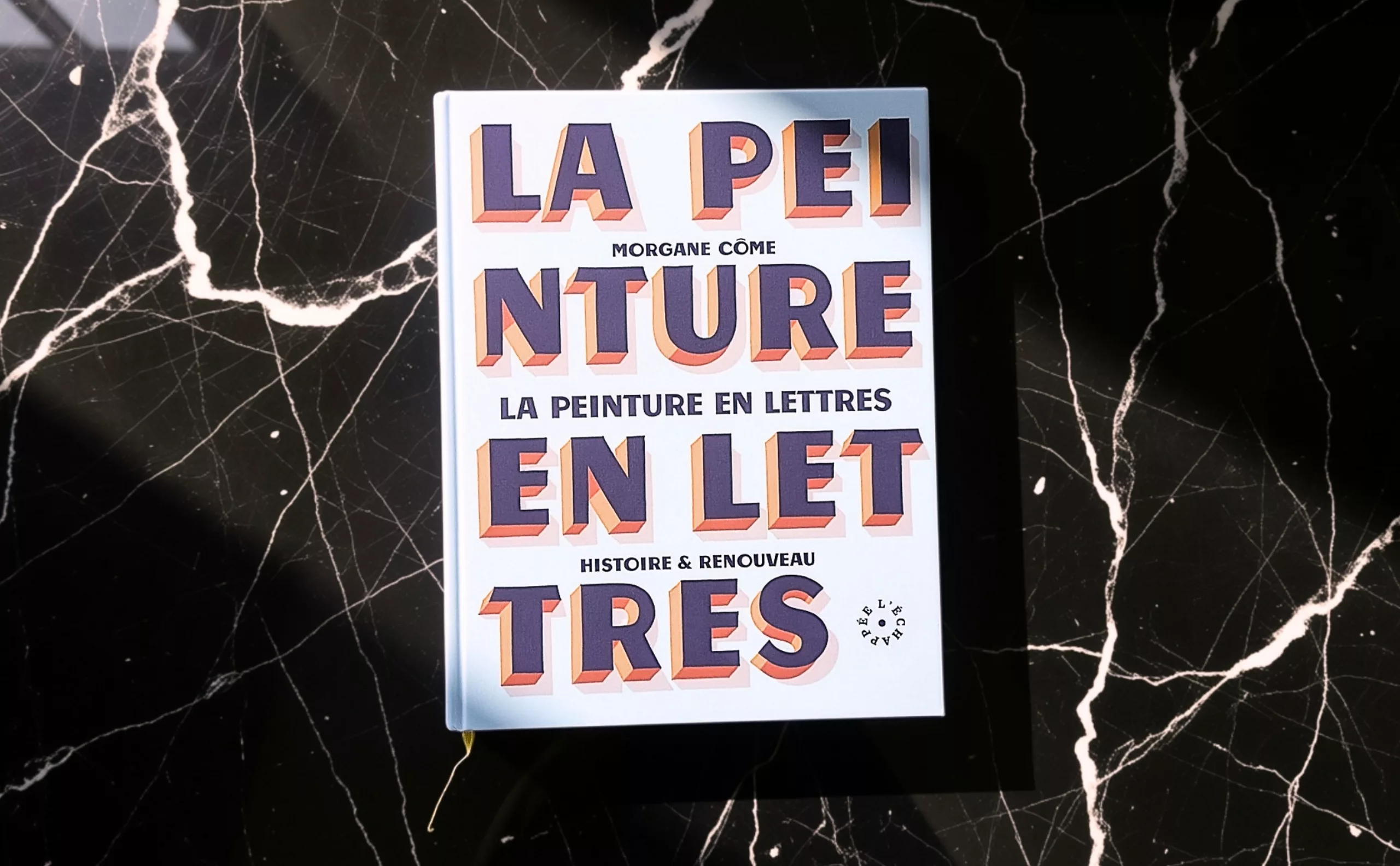
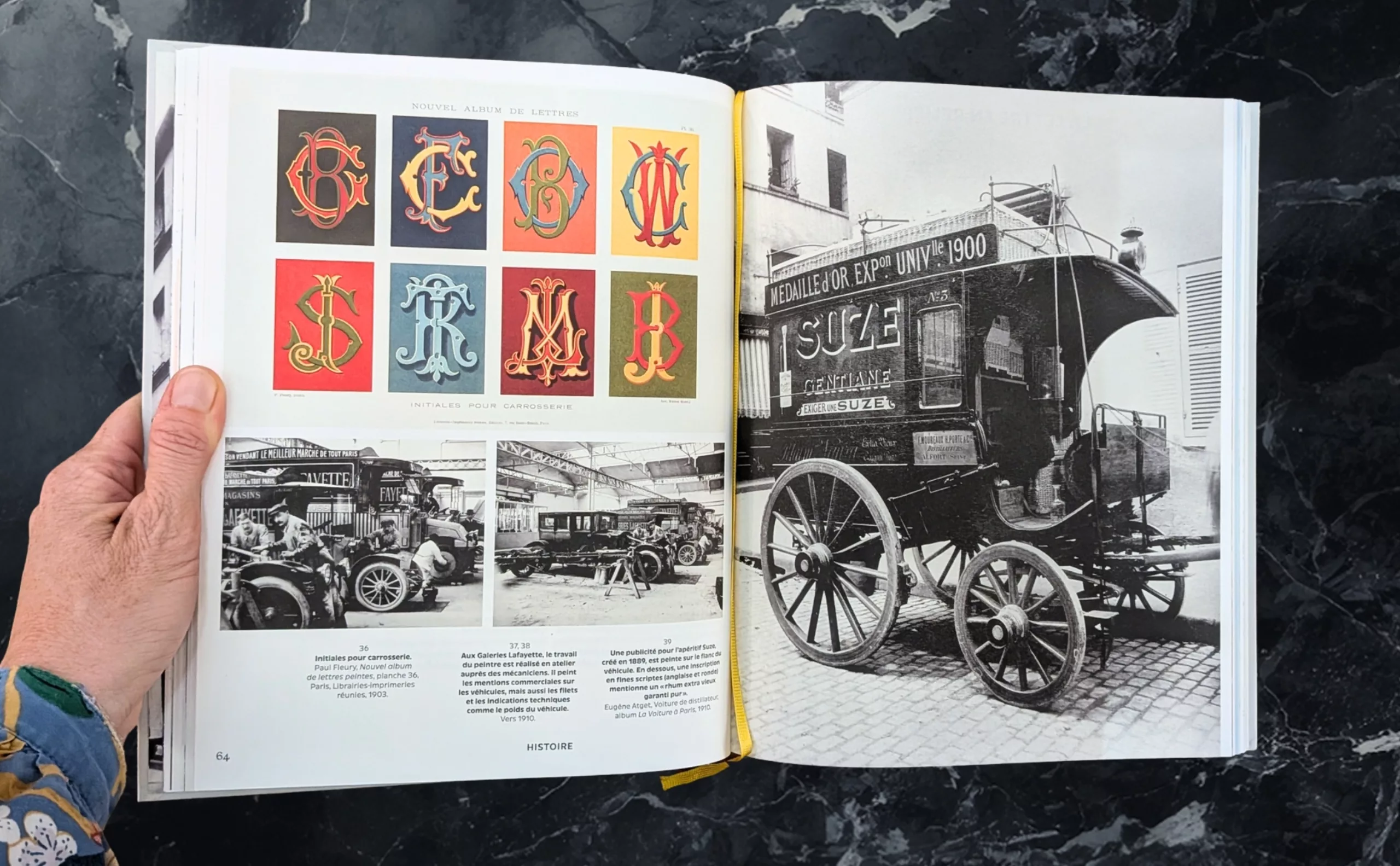
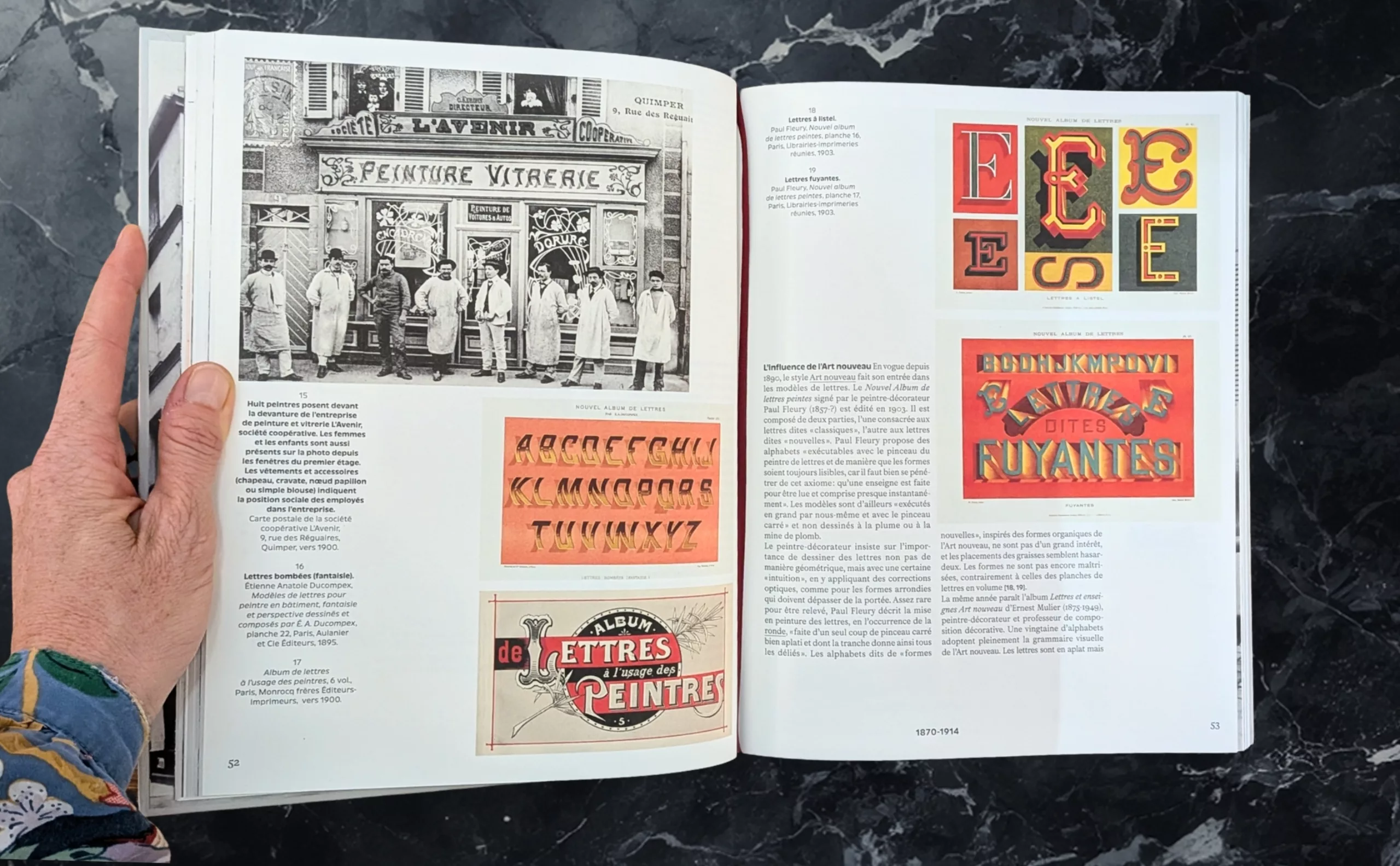
To mark the publication of the excellent book La Peinture en lettres, histoire & renouveau by Morgane Côme, published by l’Échappée, and the letter-painting festival (18 September to 19 December), we’d like to highlight this time-honoured technique that’s been brought back into fashion. This extremely comprehensive book traces the history of painted letters , from carved shop signs to shop window displays, via cinema posters, contemporary creations, tools and techniques. We also met up with Virginie, aka The Cheerletter, in Lyon, so she could tell us about her craft.
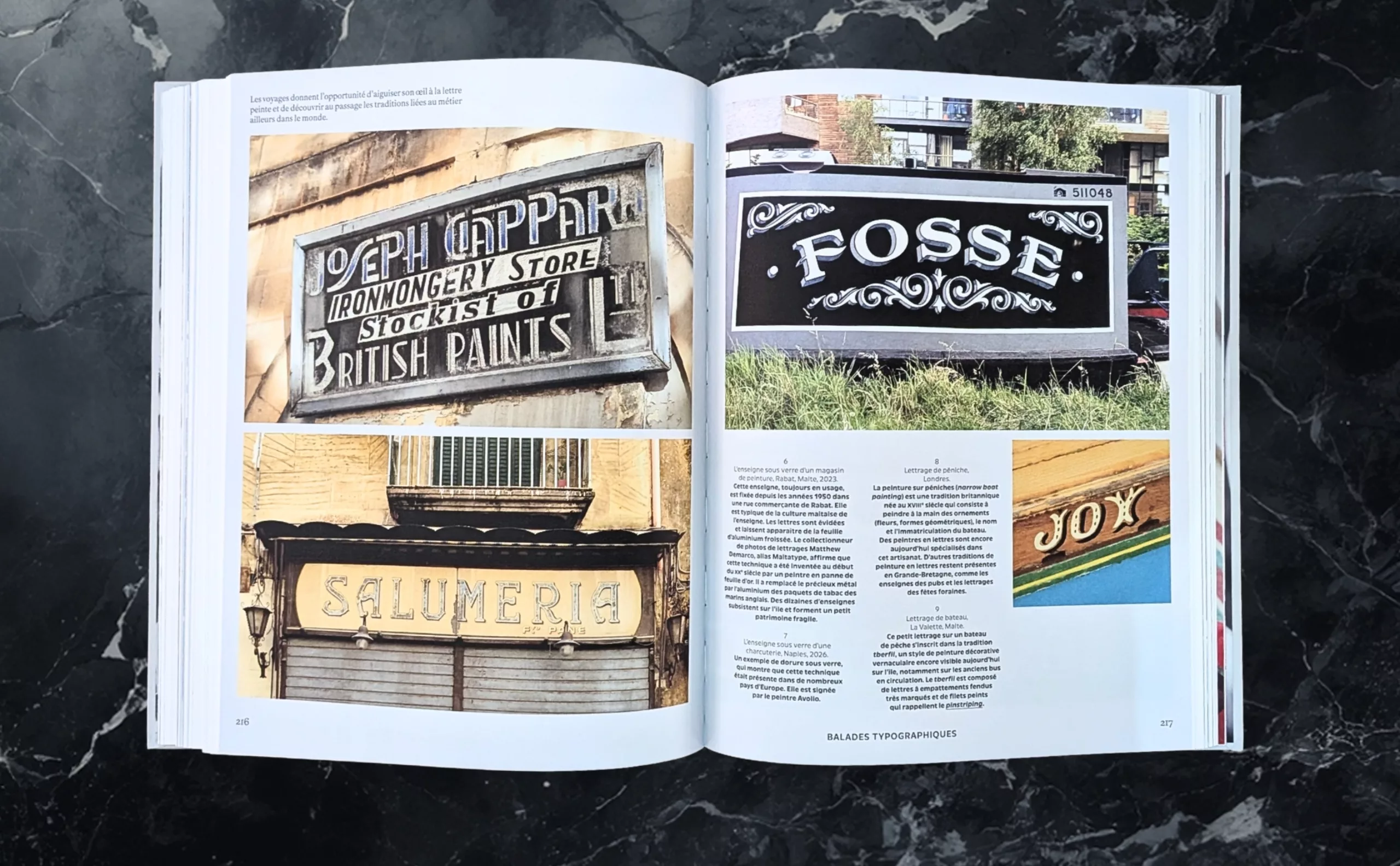
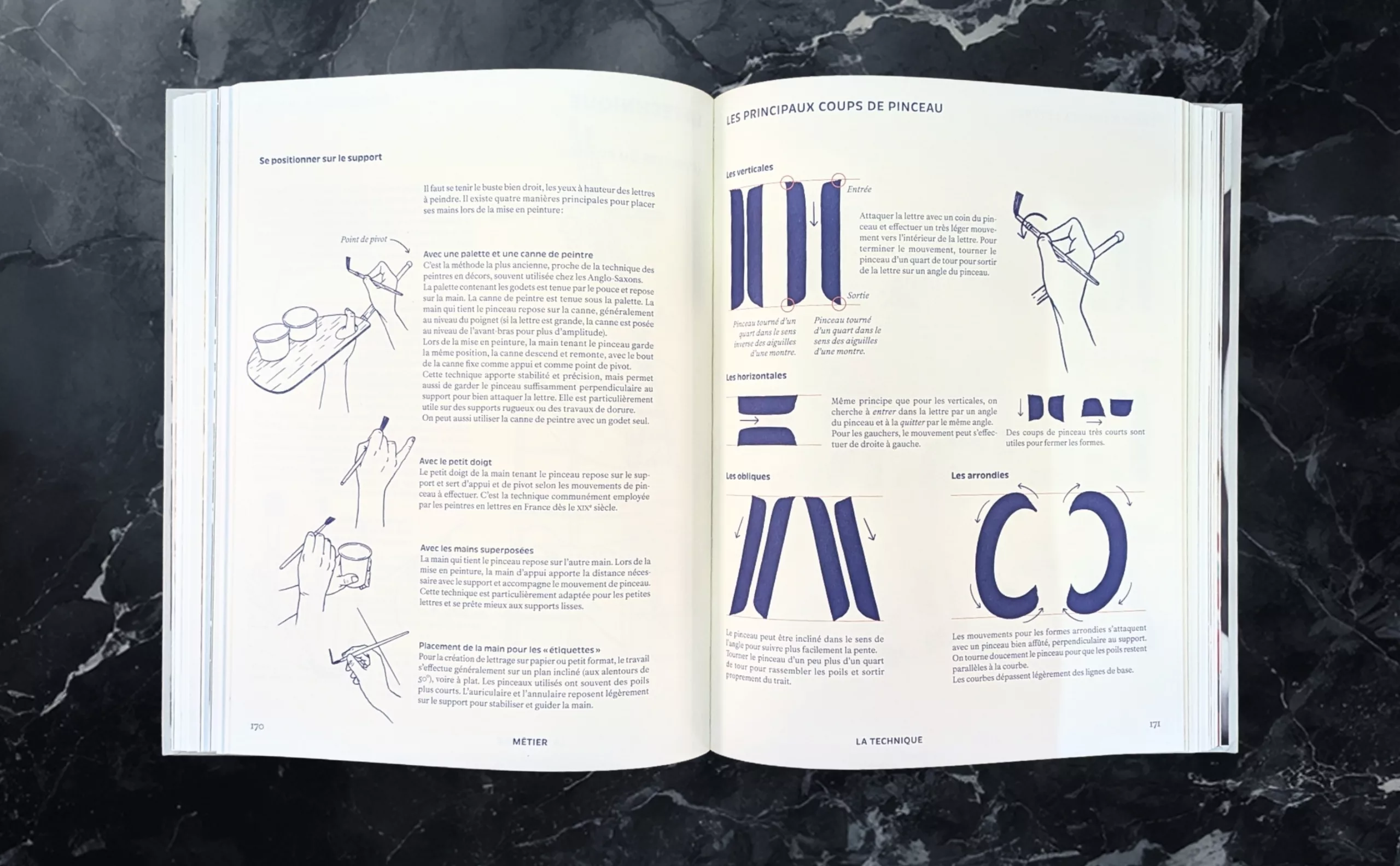
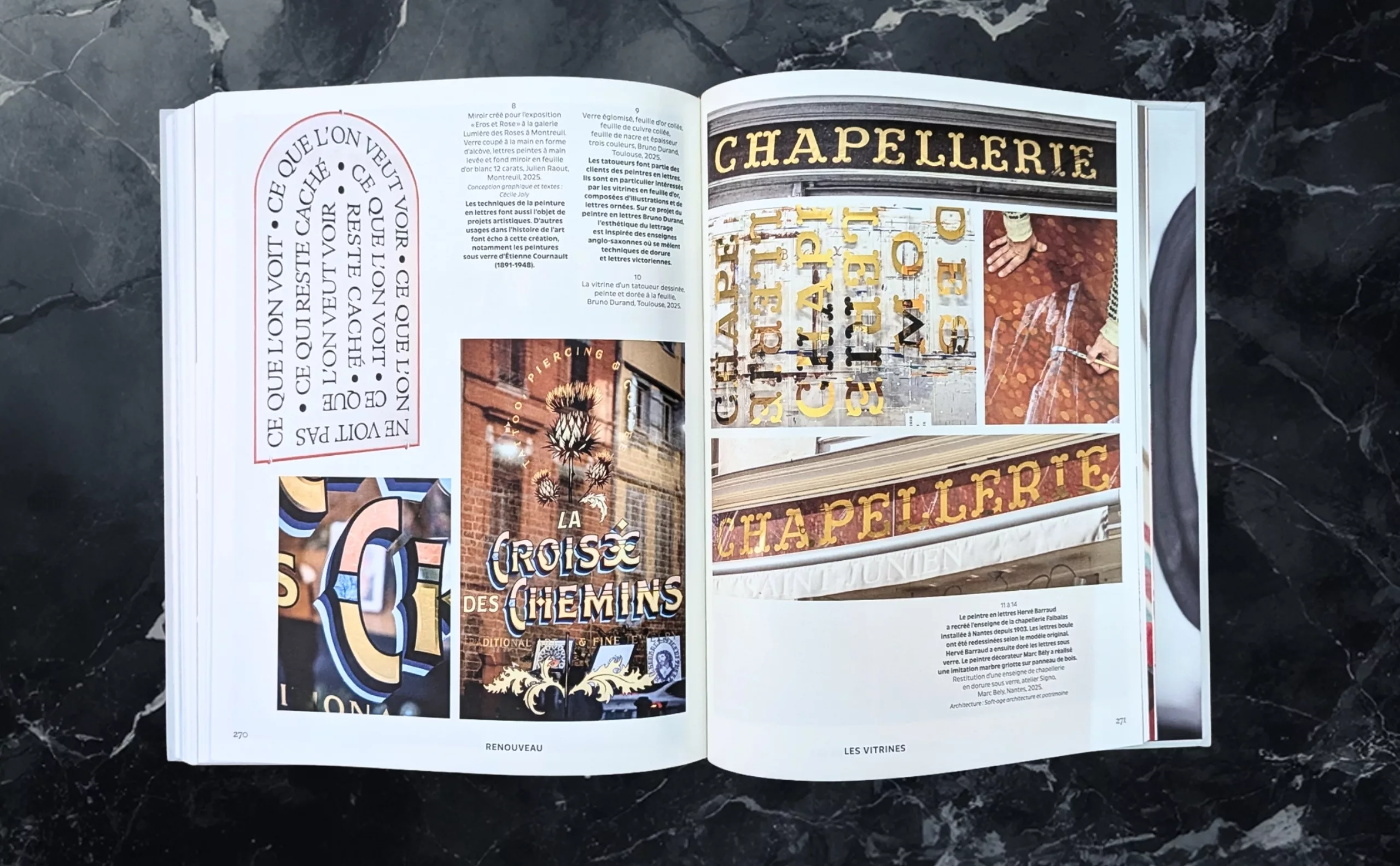
From painted signs to adhesive lettering
A few generations ago, when you opened your own shop, the sign you had painted on the shop window or your van was meant to last a lifetime, as you would often pass your business on to your children. Today, shops and vans are owned by the banks, and you often end up selling them off before you retire…
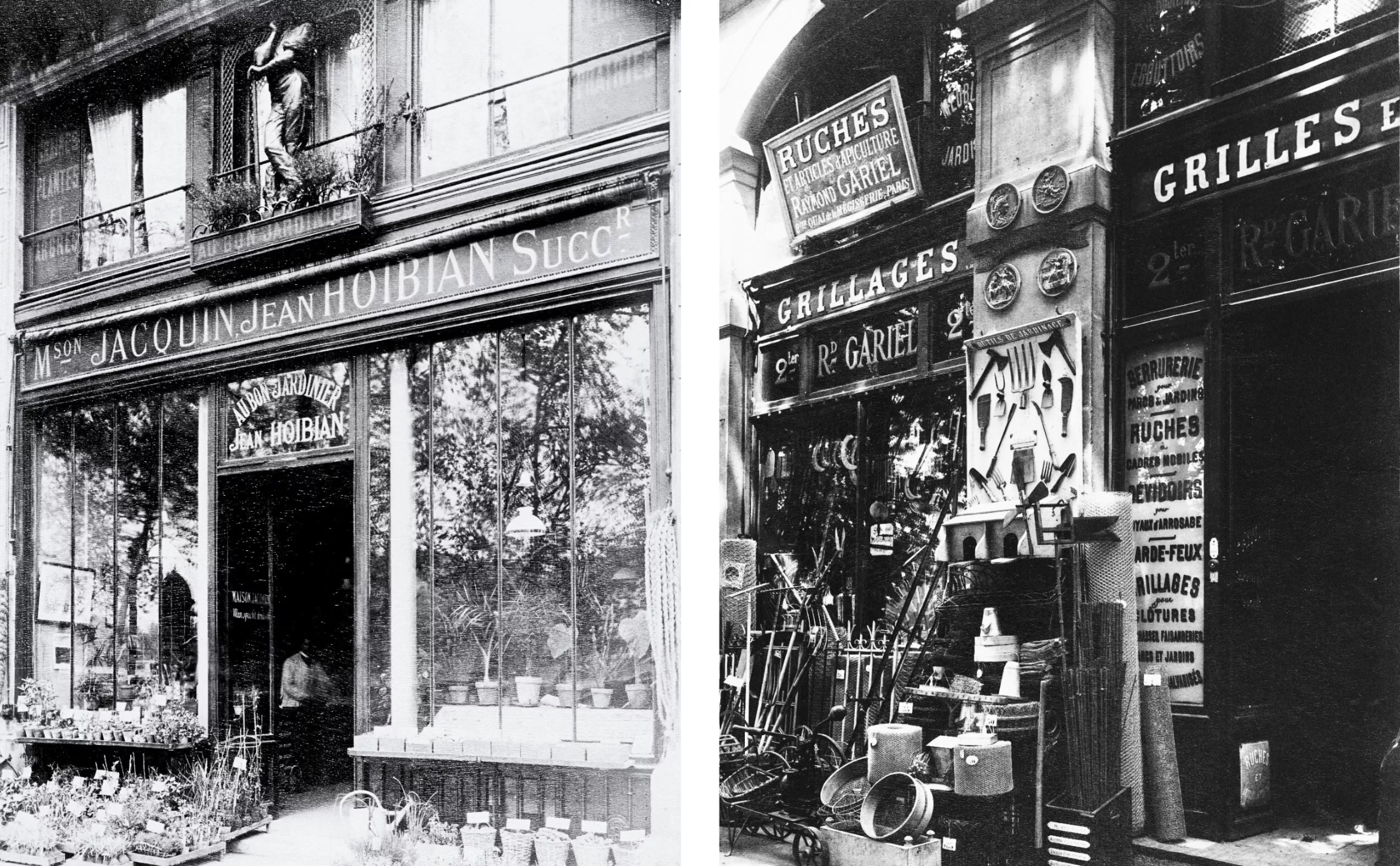
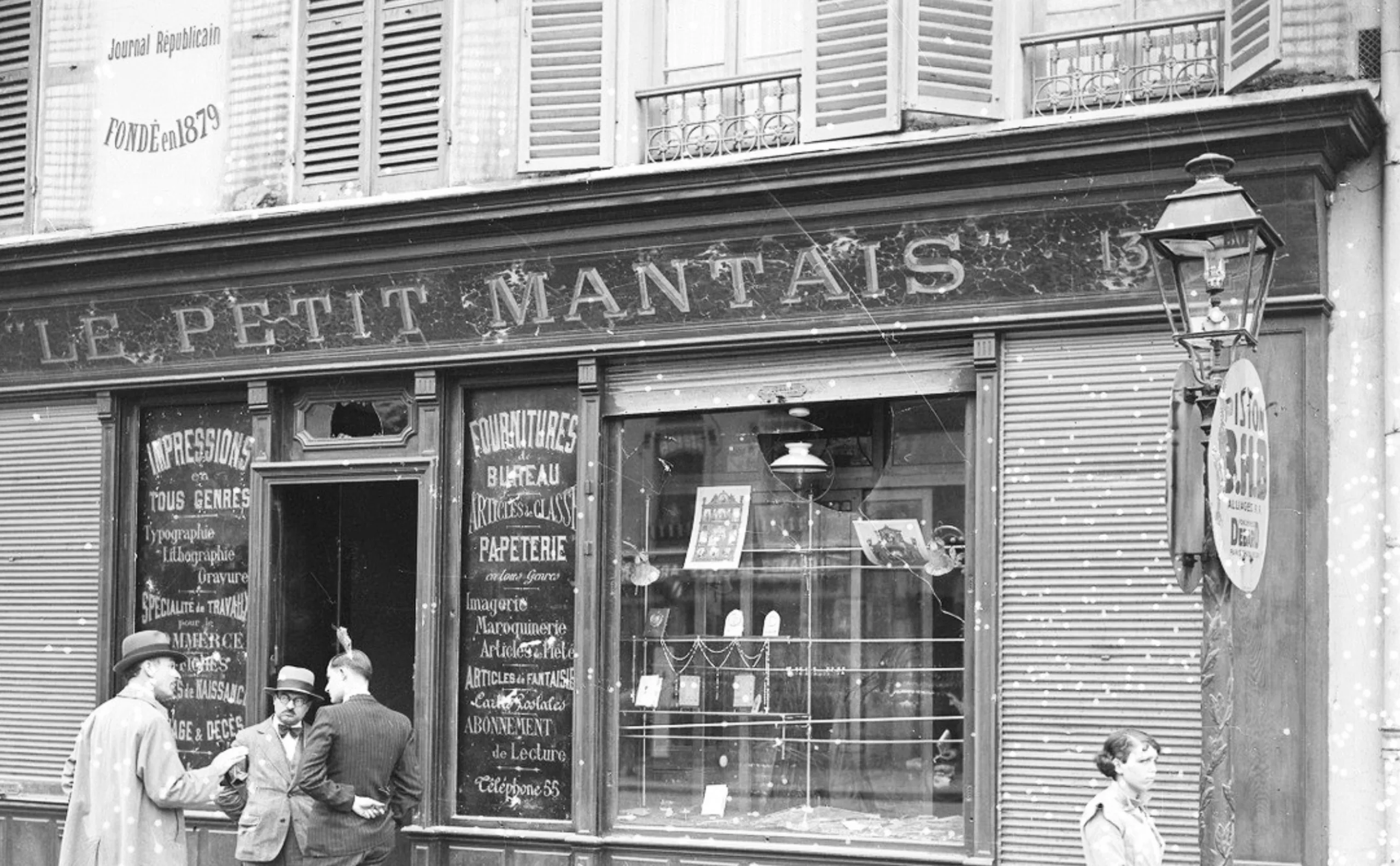
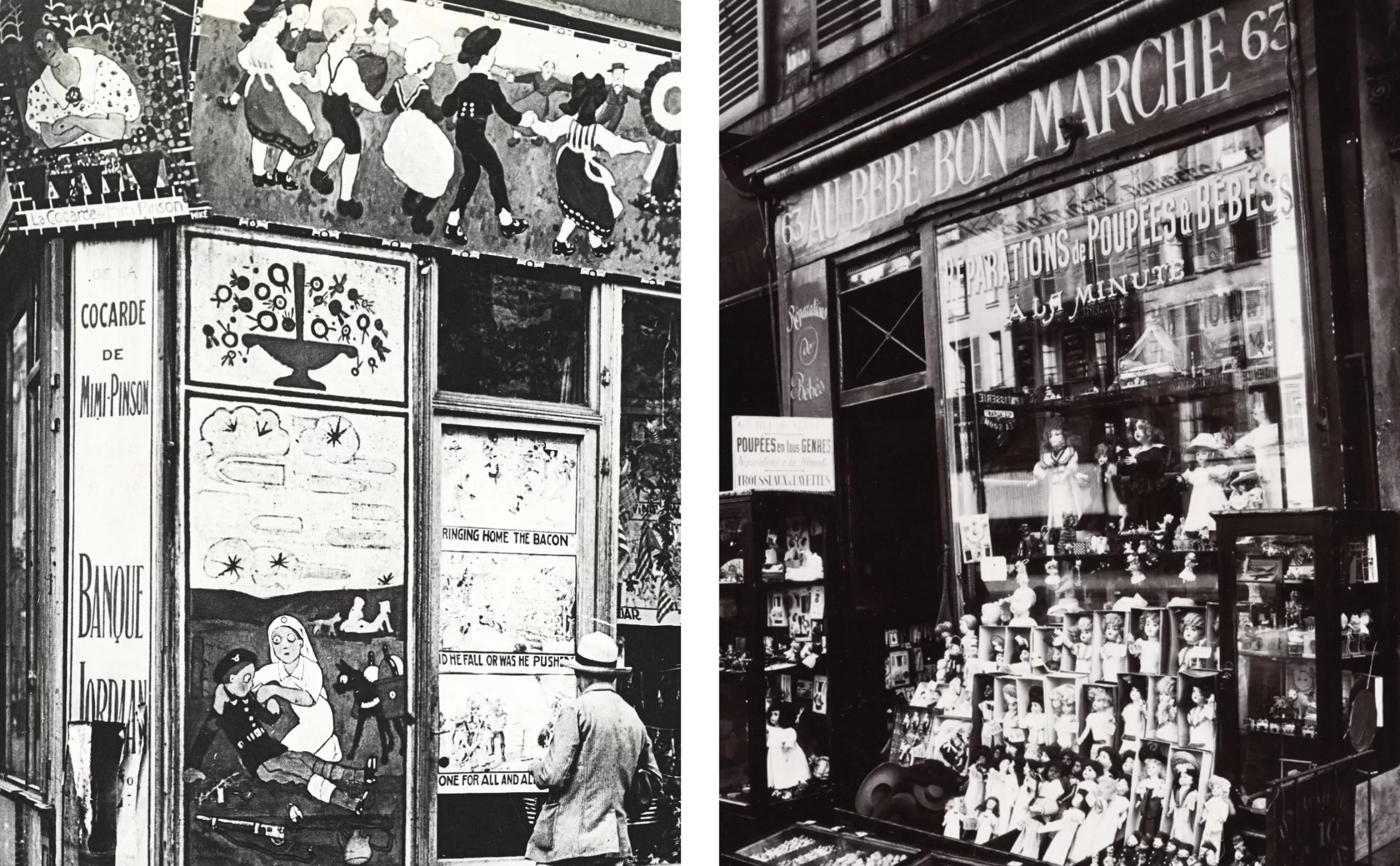
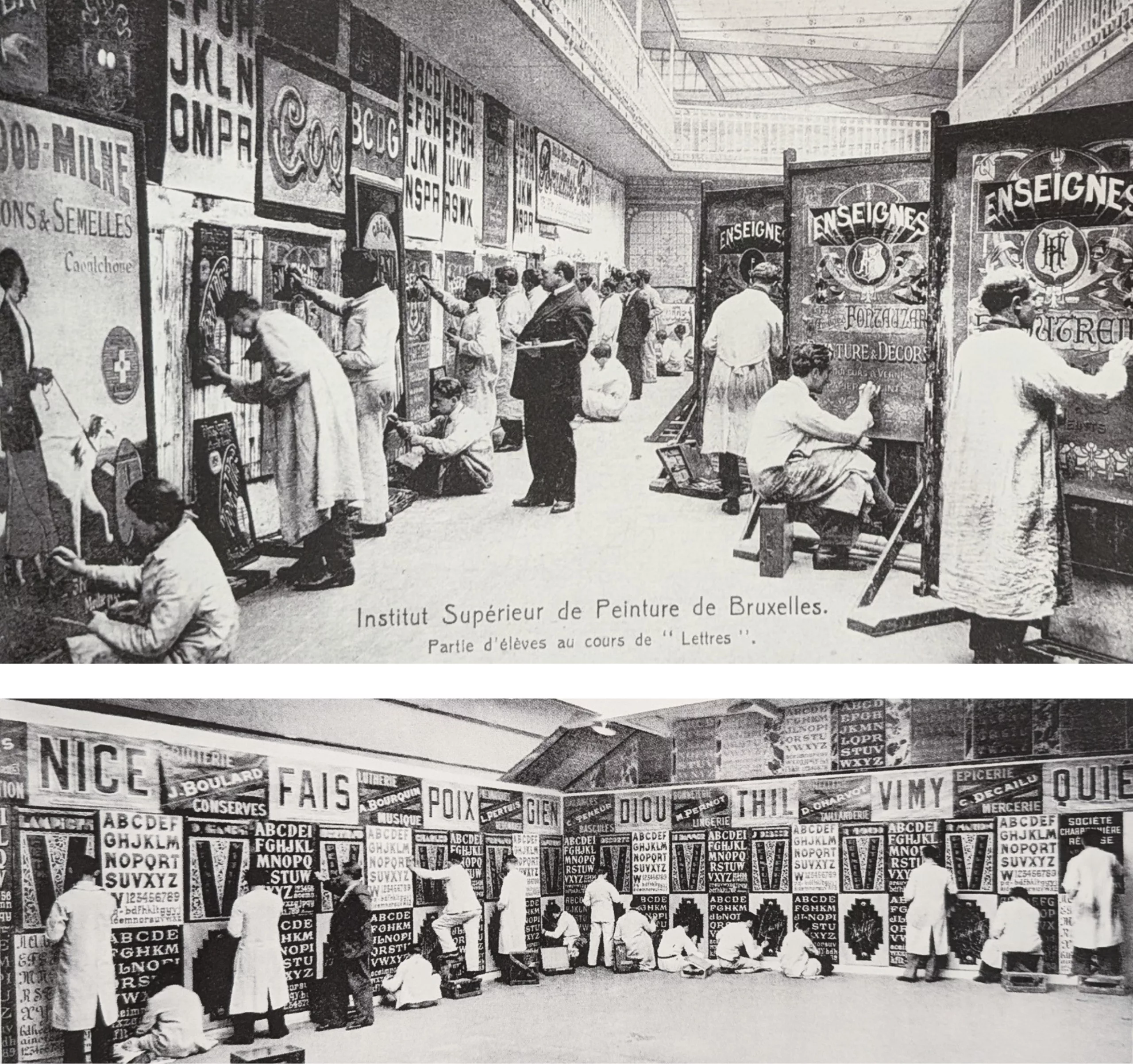
The profession started in the early 19th century thanks to the development of modern commerce, as Henri Couzot explained in 1927: “The art of sign painting arose spontaneously from Parisian commercial ingenuity, (…) it left in its wake (…) small shops made of glass and painted wood. The shopfront – both the concept and the physical structure – was born” (p. 38 of the book *La peinture en lettres*). However, there were already some painted letters in France as far back as the Middle Ages. At that time, painted signs were the norm – illustrated or carved, and often without any lettering, as the population was largely illiterate.
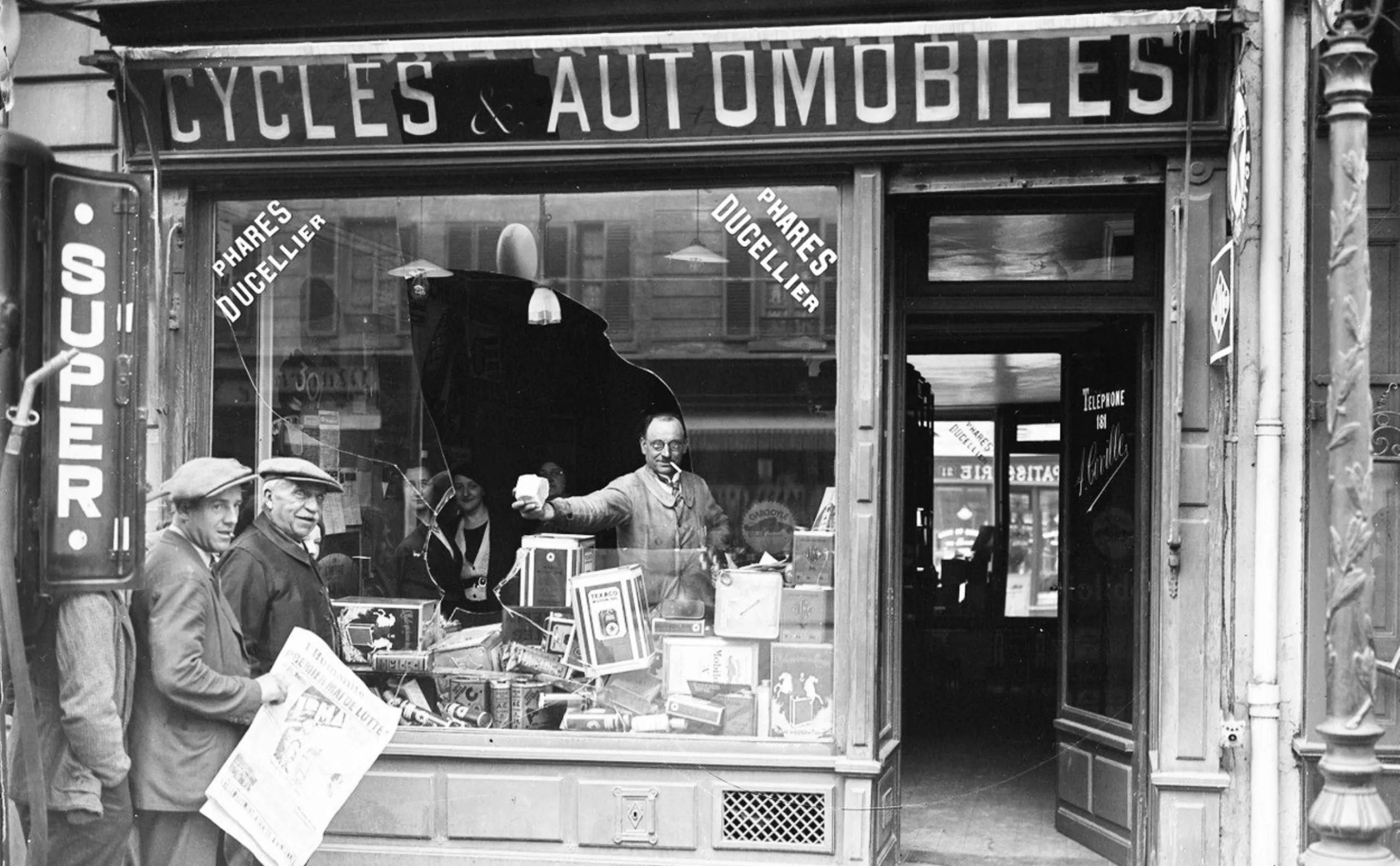
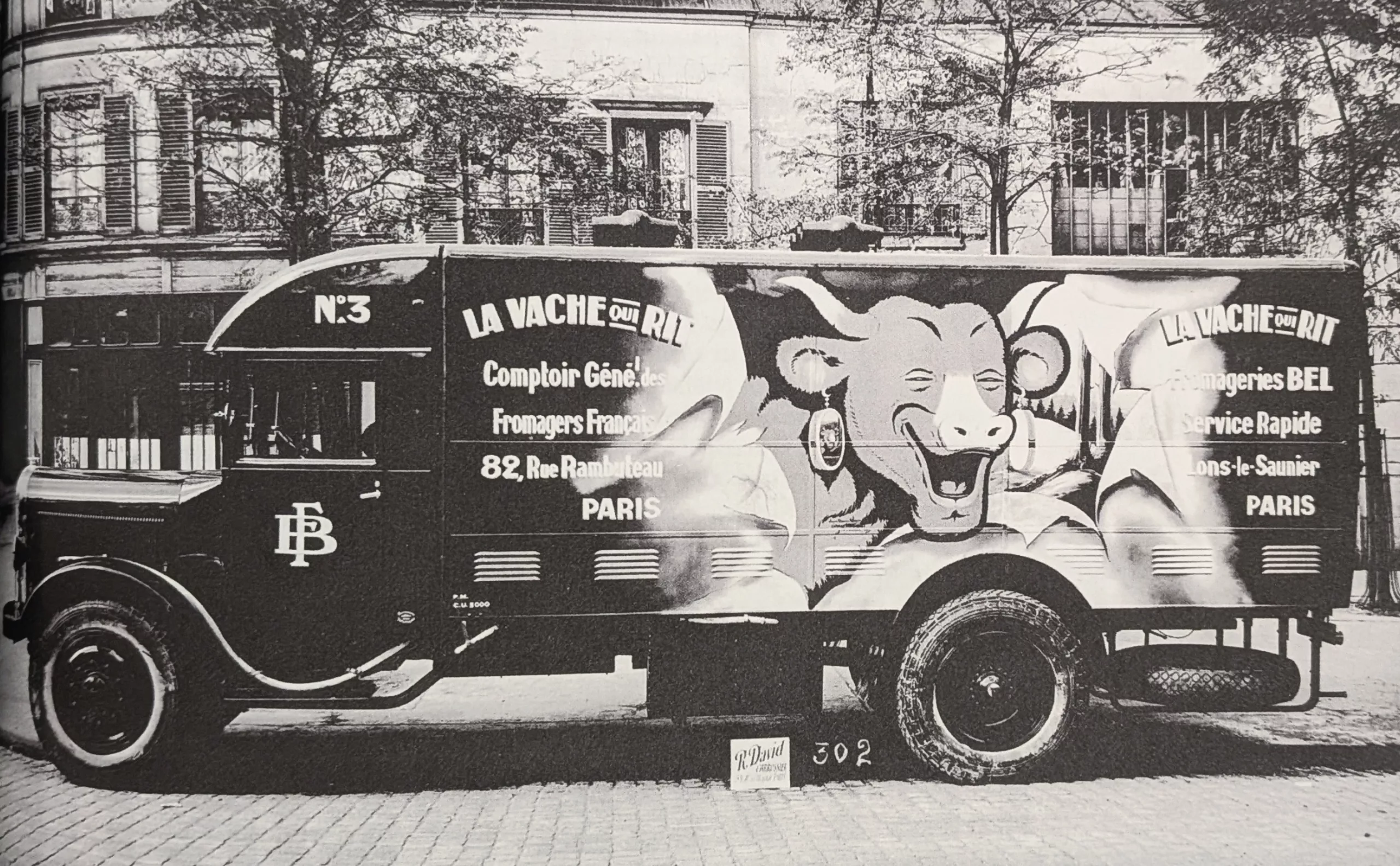
As children were educated and learnt to read, letters began to appear everywhere in the streets. So much so that by 1870, buildings and shops were covered in painted letters – from shop fronts to upper floors and even vehicles – to advertise the shops or promote goods. “The paper poster that pays stamp duty lasts only a few days (…). The painted sign, which pays no duty, withstands everything”, wrote MP Louis-Désiré Véron in his amendment to La France nouvelle des finances in 1852 (p. 34 of the book *La peinture en lettres*).
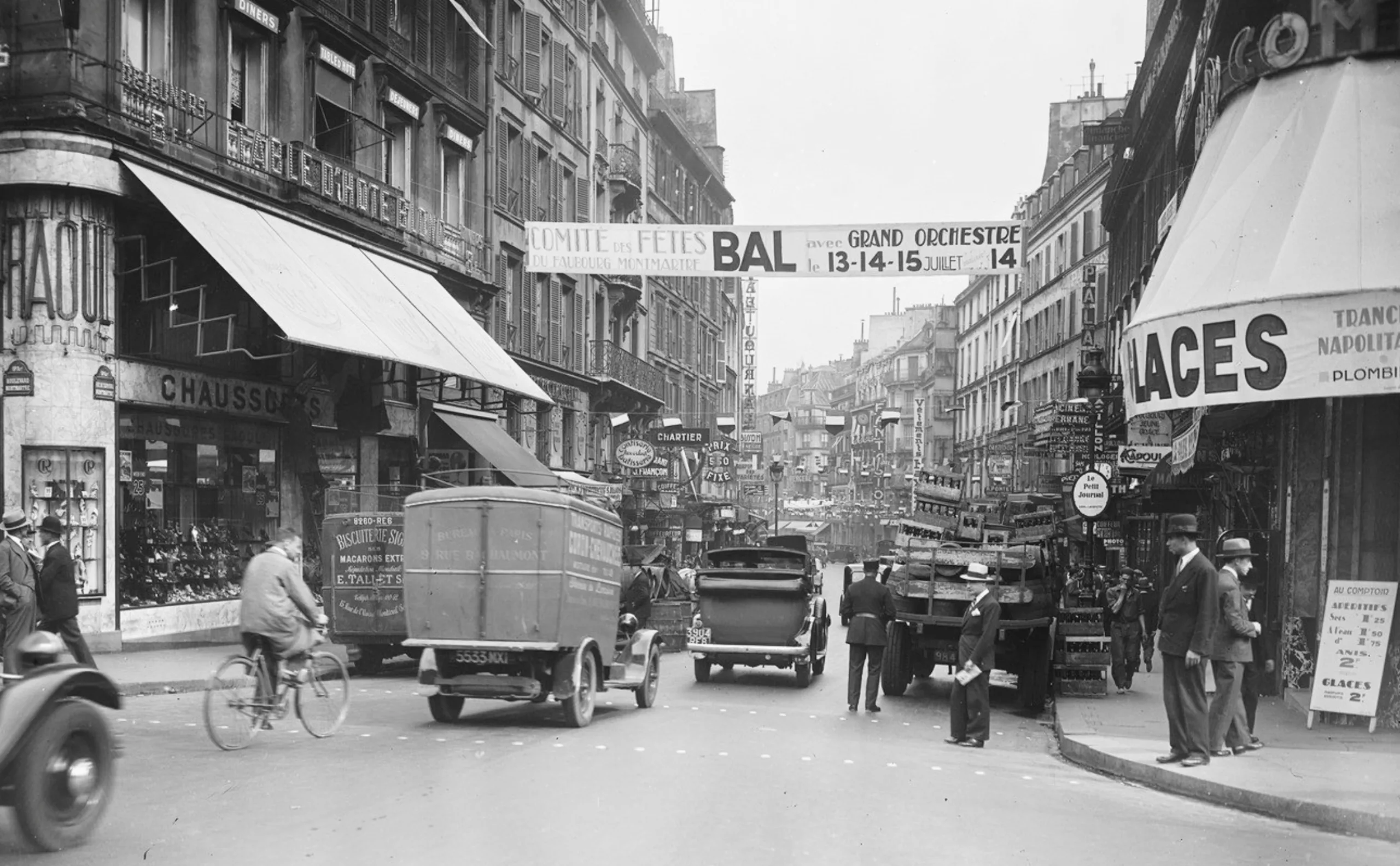
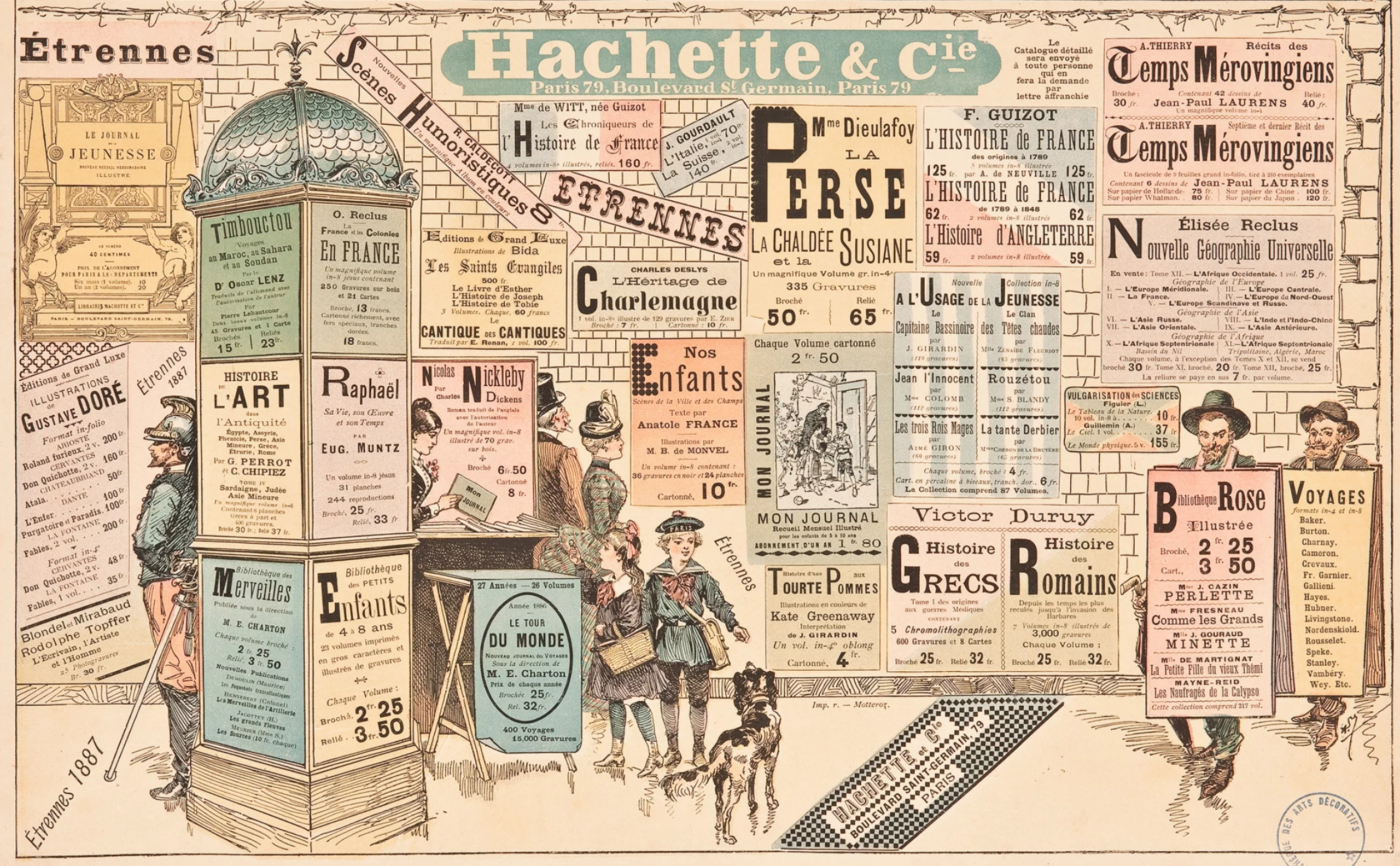
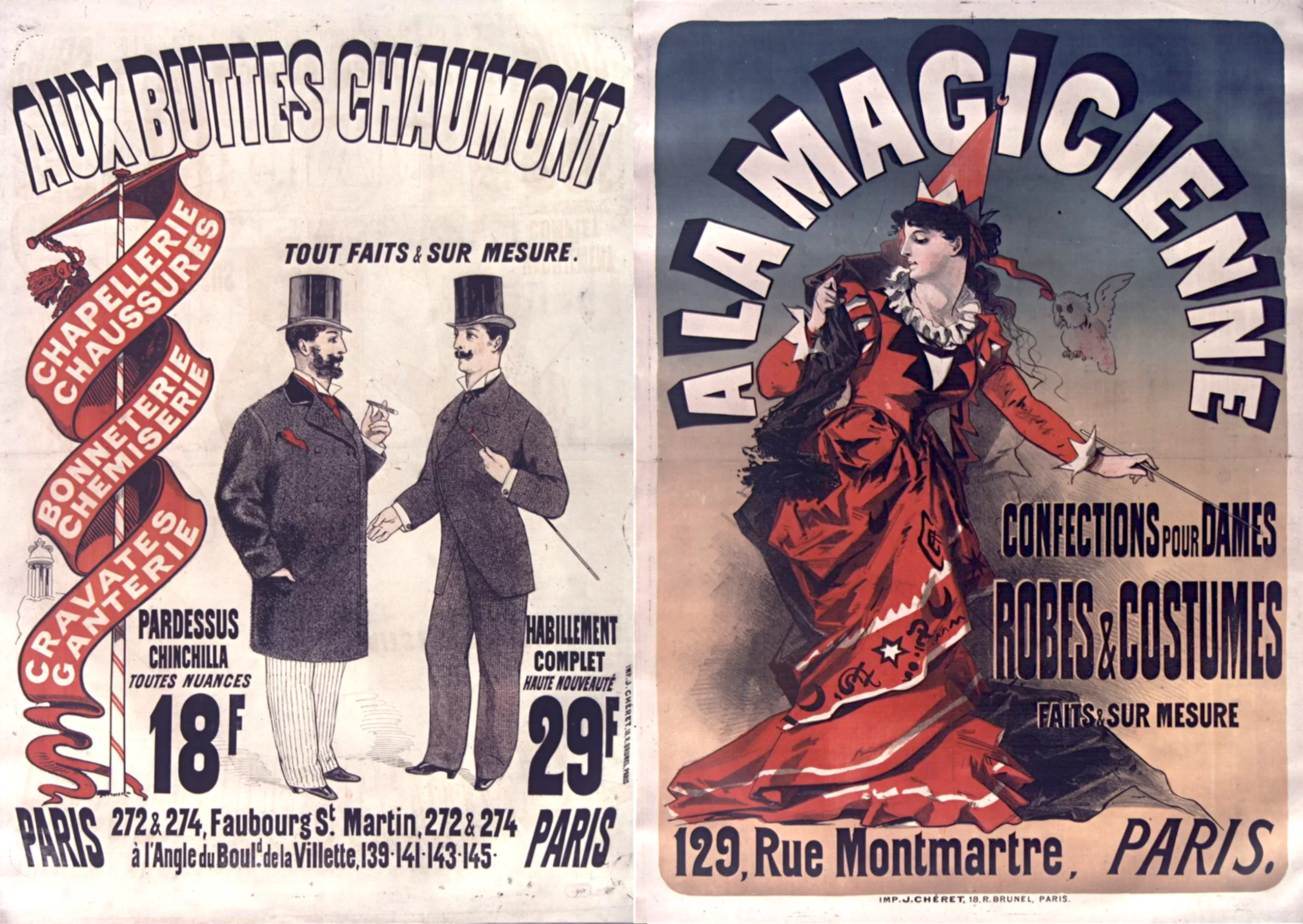
Theatre posters and book covers are also hand-painted. The letters are not confined to shop windows; they cover every nook and cranny of the cities on posters pasted up more or less haphazardly. Jean-Sébastien Mercier wrote in his Tableaux de Paris in 1783: “Not a single column, not a single doorframe, not the slightest surface is free of a poster, whether large or small, narrow or wide… ”.
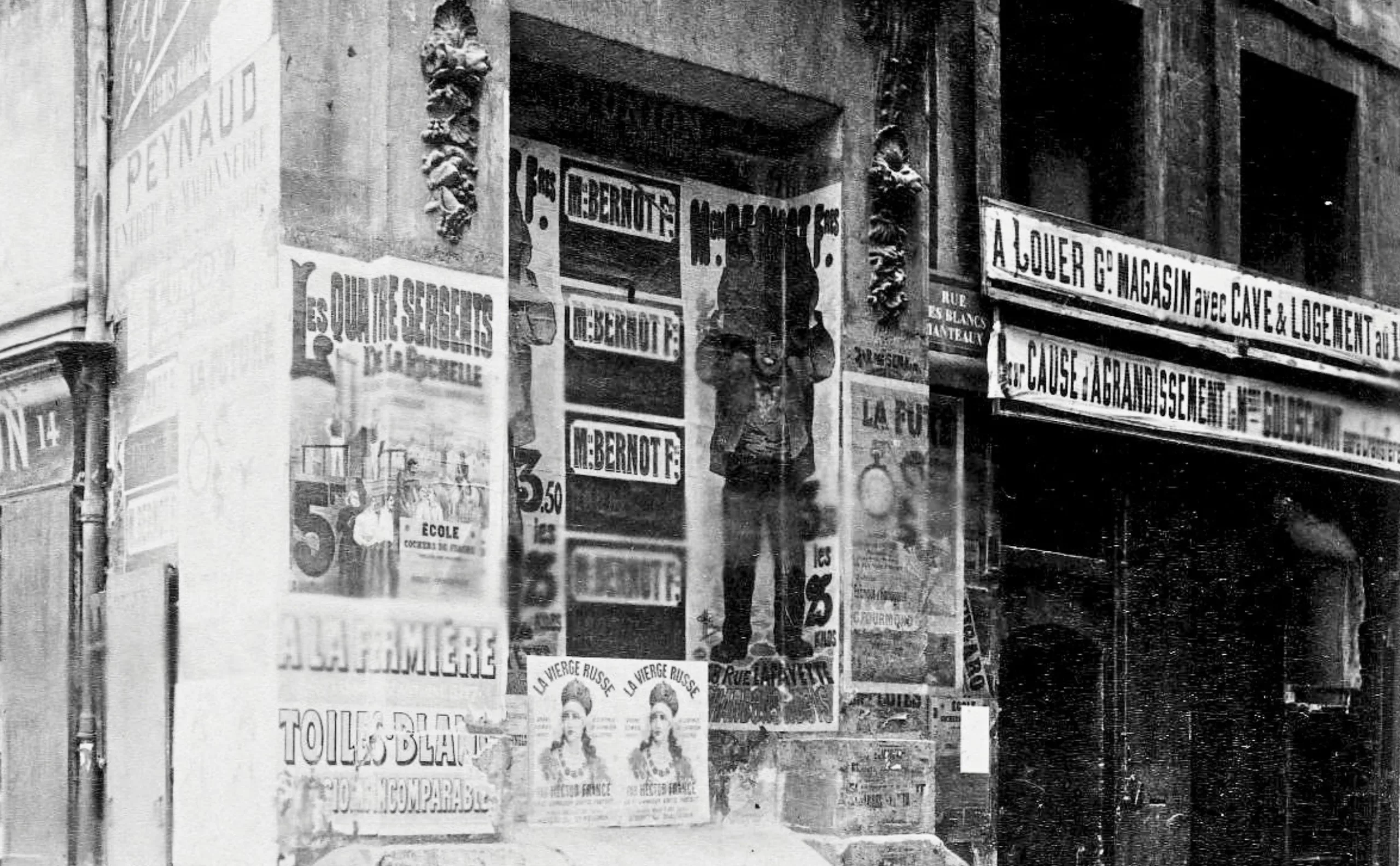
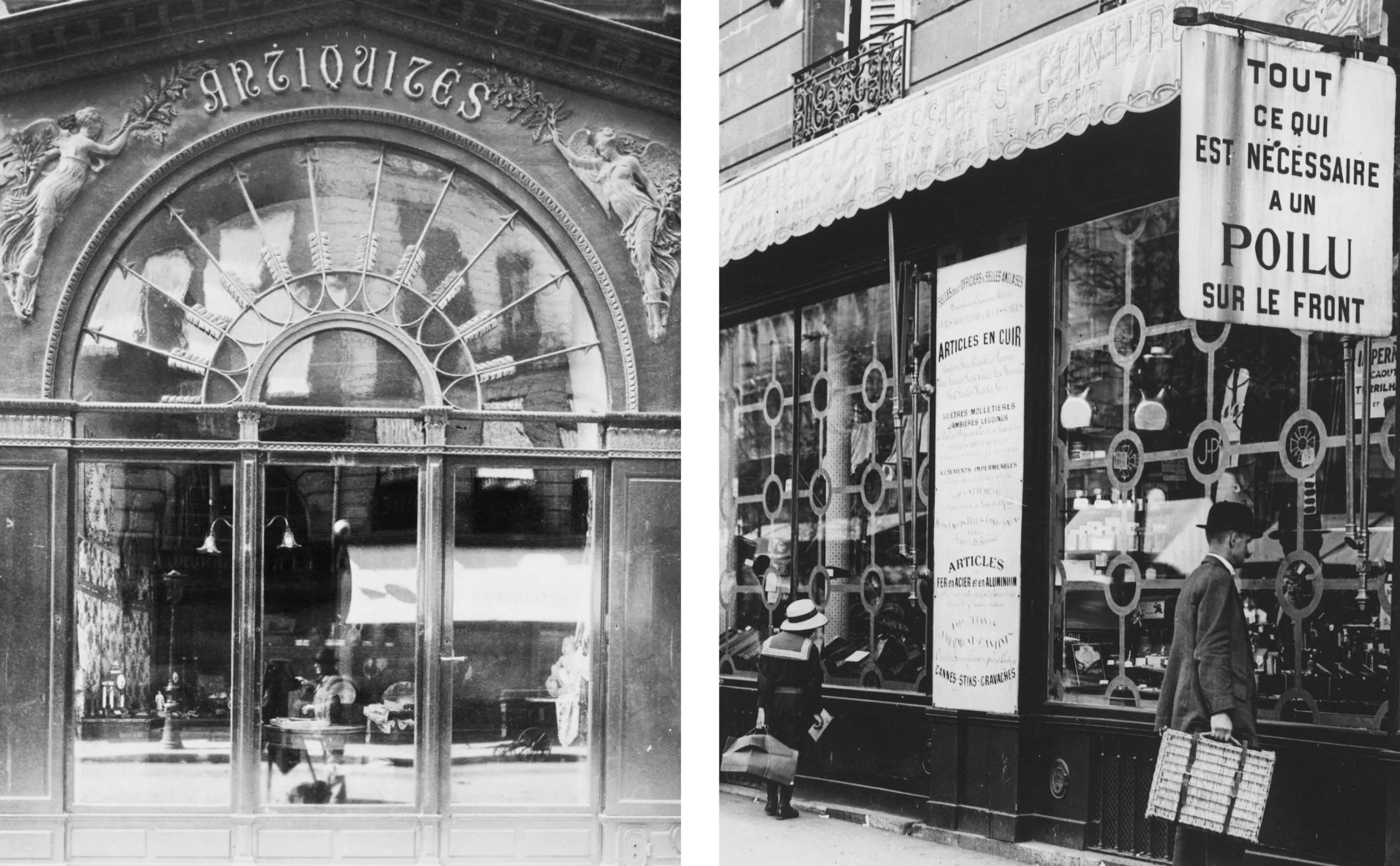
A hundred years later, the Industrial Revolution and rural depopulation propelled cities into a new era focused on productivity, commercial development and advertising, which was criticised by William Morris and his Arts & Crafts movement. Art Nouveau, followed by Art Deco, celebrated the human touch, arabesques and the curves of nature, whilst also producing works dedicated to ‘sign lettering’ which were made available in libraries.
On the streets, you’ll find unauthorised displays, with unauthorised and opportunistic posters. There are also framed displays, where the location is carefully chosen and maintenance is guaranteed, as well as mobile advertising featuring sandwich board men, horse-drawn carriages or trams.
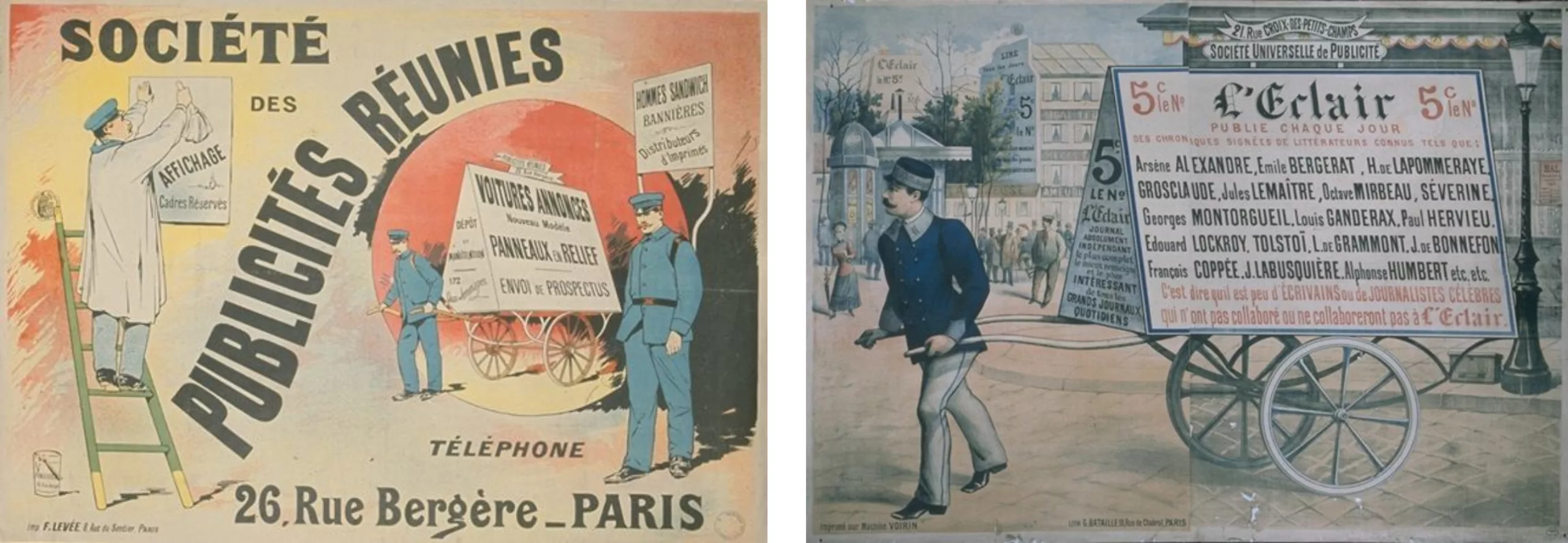
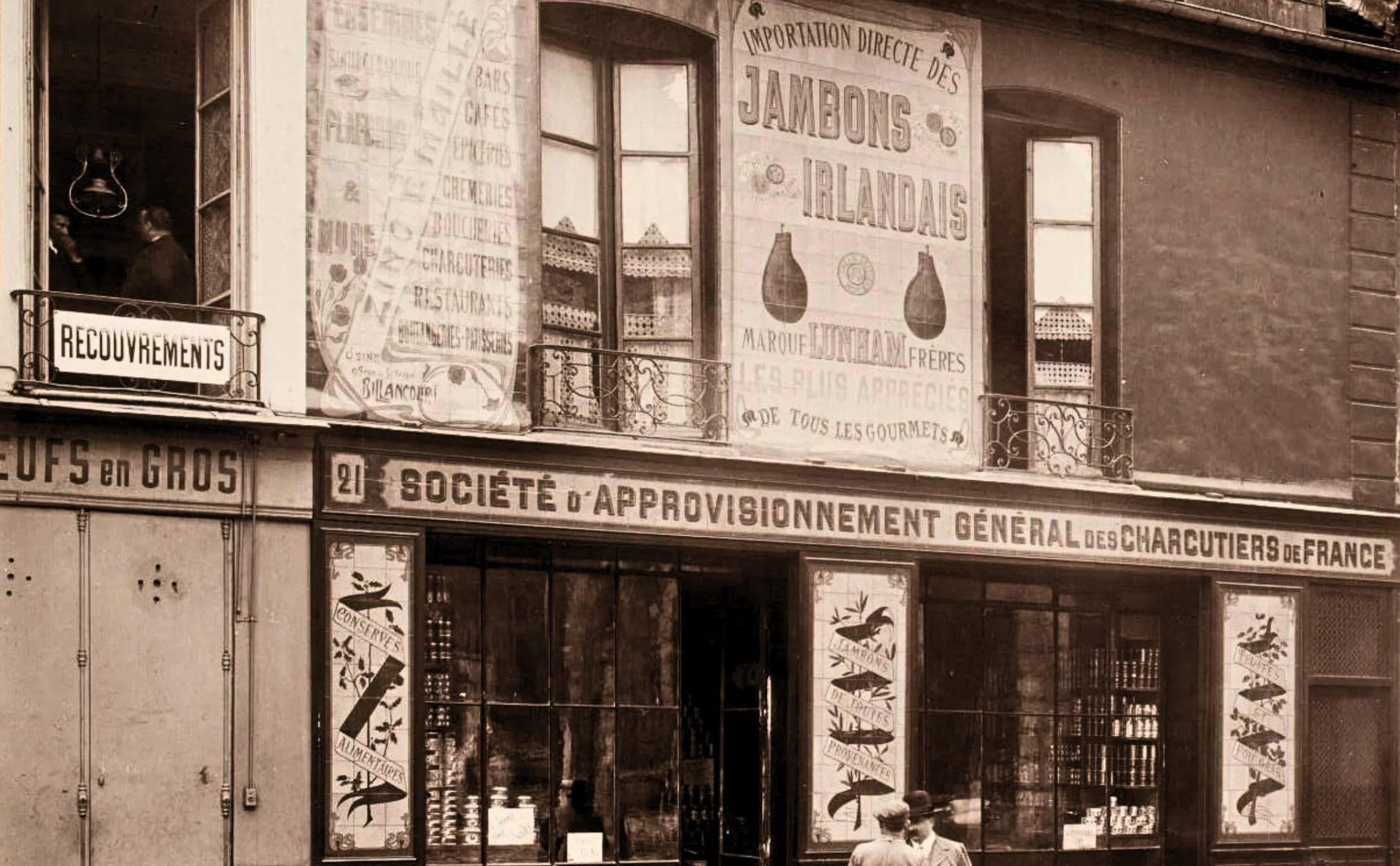
The late 19th century also saw the emergence of the Morris column, reserved for theatre posters, newsagents’ kiosks, and later posters in the corridors of the underground. It was also amidst this visual jumble that the first linear styles emerged, along with modernism. Miguel-Angel Asturias points out that ‘the only thing missing from painting was the spoken word. The poster sings, shouts, growls, protests and advises – everything that can be heard not by the ears but by the eyes.’
And the glue killed the paintbrush
As early as 1912, neon signs were catching eyes, and “by the end of the 20th century, the cutting plotter, desktop publishing (DTP) and then digital printing dealt the final blow. The craftsman and his expertise gave way to the machine,” explains Morgane Côme. Since 1980, signs have been made of plastic or created using pre-cut vinyl letters designed on a computer. This standardised art form has ultimately filled our streets with signs that do little to impress passers-by, consigning the trade of sign painters to oblivion.
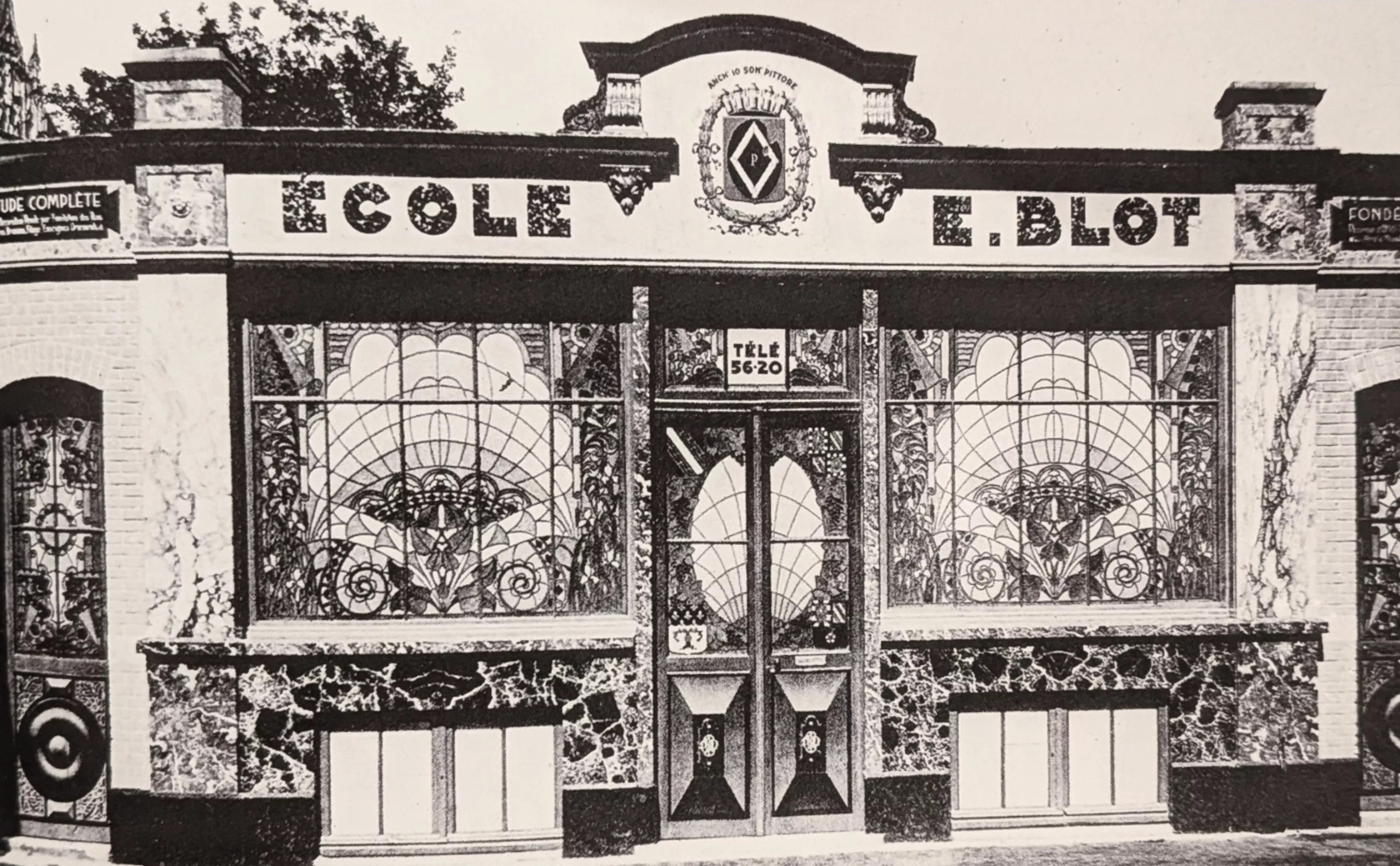
For more than thirty years, lettering courses ceased to exist. The CAP course in lettering even closed its doors in the 1990s and 2000s. Today, at the Blot School in Reims, there remains a course in decorative painting which offers a career path as a lettering painter, even though it is not a specialised course. Founded in 1925 in Reims by the painter and decorator Eugène Blot, it is the oldest school of decorative painting in France.
Today’s lettering artists are therefore self-taught and have learnt through YouTube videos, books, workshops run by craftspeople, and many hours of practice!
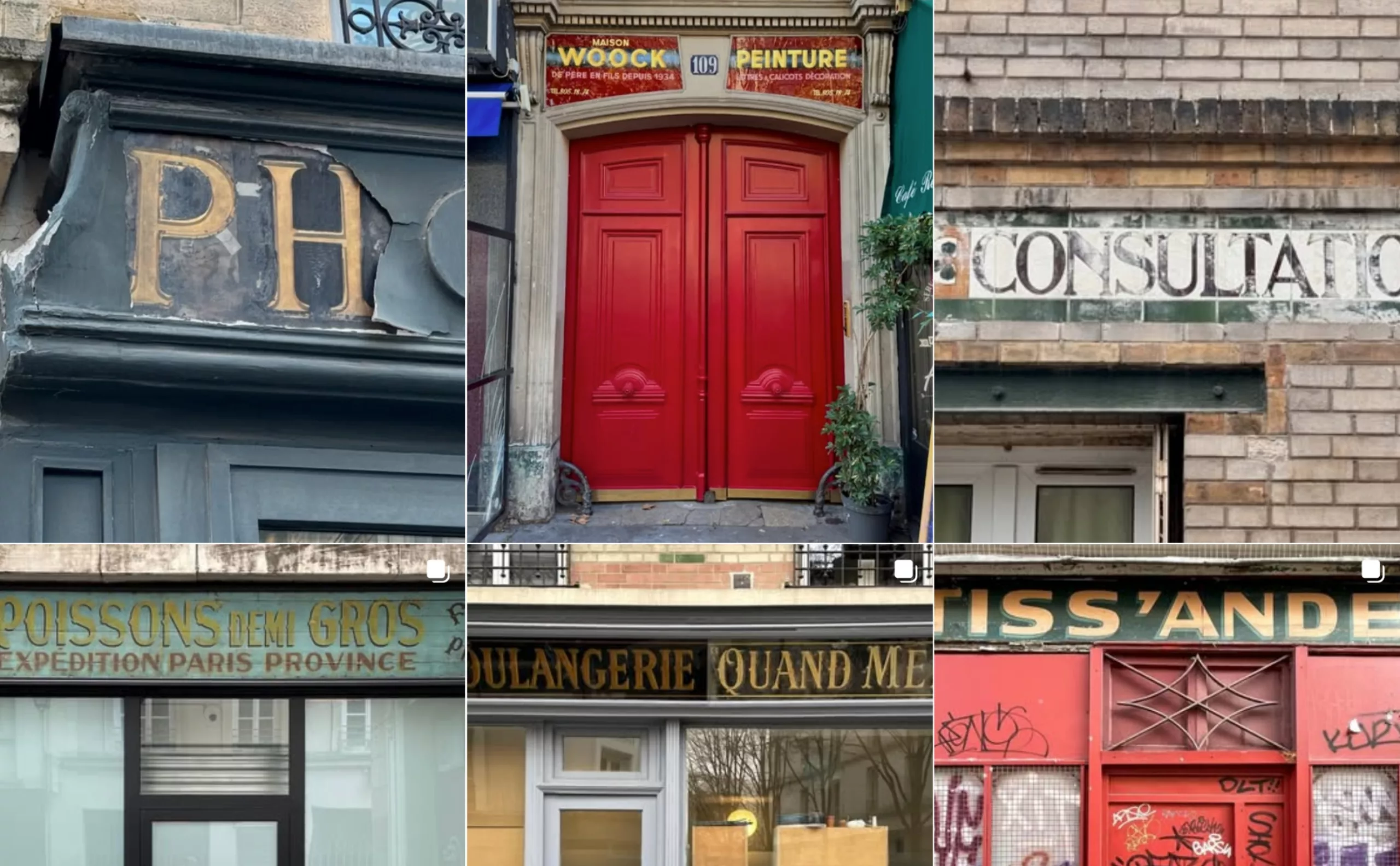
Sign letters seem as though they have always been there, like familiar shapes on our strolls through the city. Unconsciously, we have always been aware of them, and they evoke a sense of nostalgia for a bygone era. The sign chaeologist unearths these forgotten letters, which have stood the test of time, on their Instagram account.
Contemporary sign painters
The tide turns in the United States. The film Sign Painters, released worldwide in 2013, reignited an interest in sign painting. Mike Meyers, a leading figure in the trade and featured in the film, organises workshops in several cities, particularly in Europe. It was in Amsterdam that Virgine Lorillou, aka The Cheerletter, met him. She tells us that she found herself thrust into a fascinating yet complex world in which she had to learn to master the techniques of lettering, dilute the paint correctly, whilst positioning her wrist to avoid any shaking.
Unable to train at a school, it was through constant practice and practise that Virginie embarked on her career almost eight years ago, whilst taking part in brush lettering workshops and calligraphy classes. She now designs bespoke graphic identities and hand-painted lettering for signs, shop windows and vehicles in Lyon and throughout France. It takes at least two days to paint a sign, plus the time spent on preparatory design work.
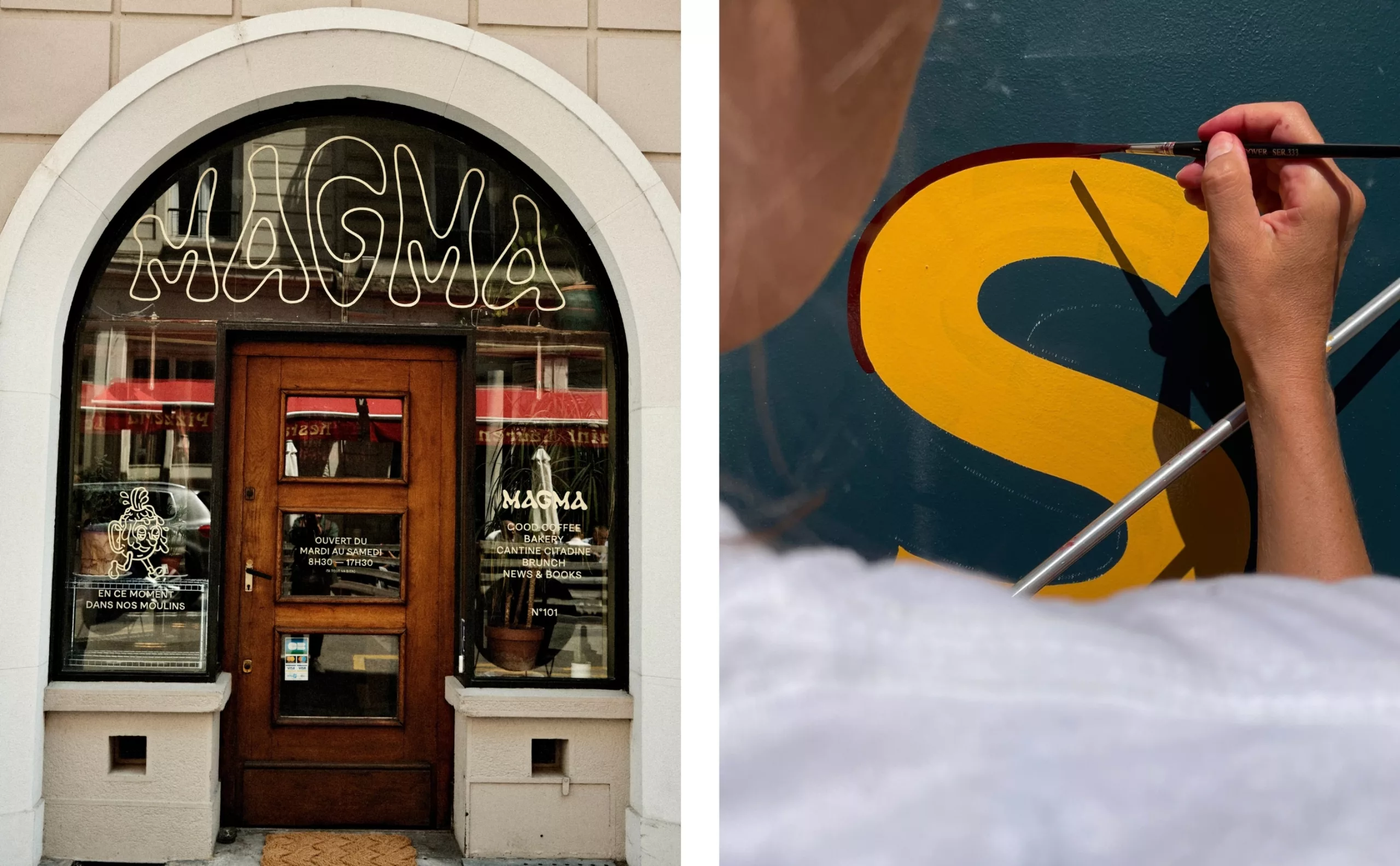
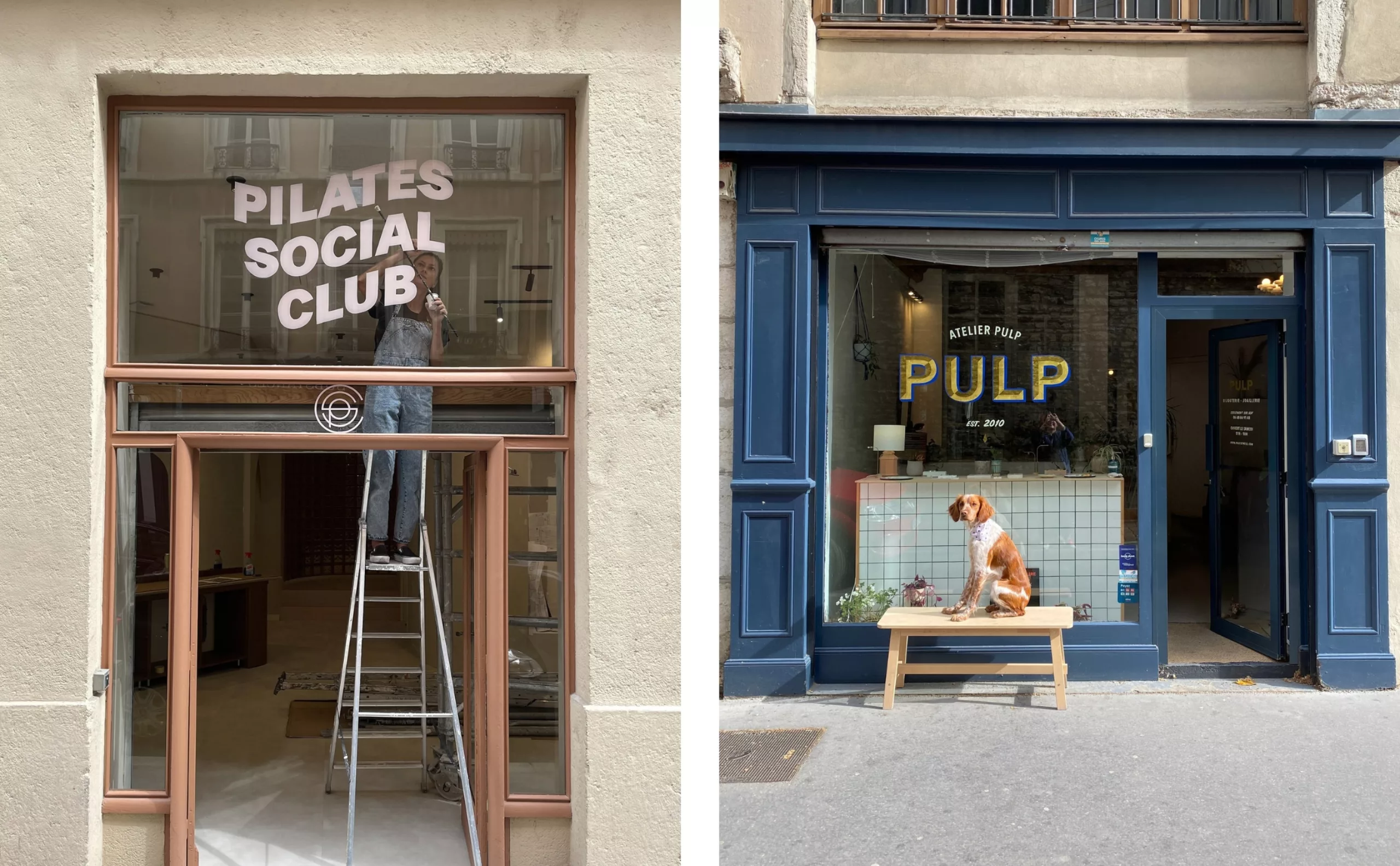
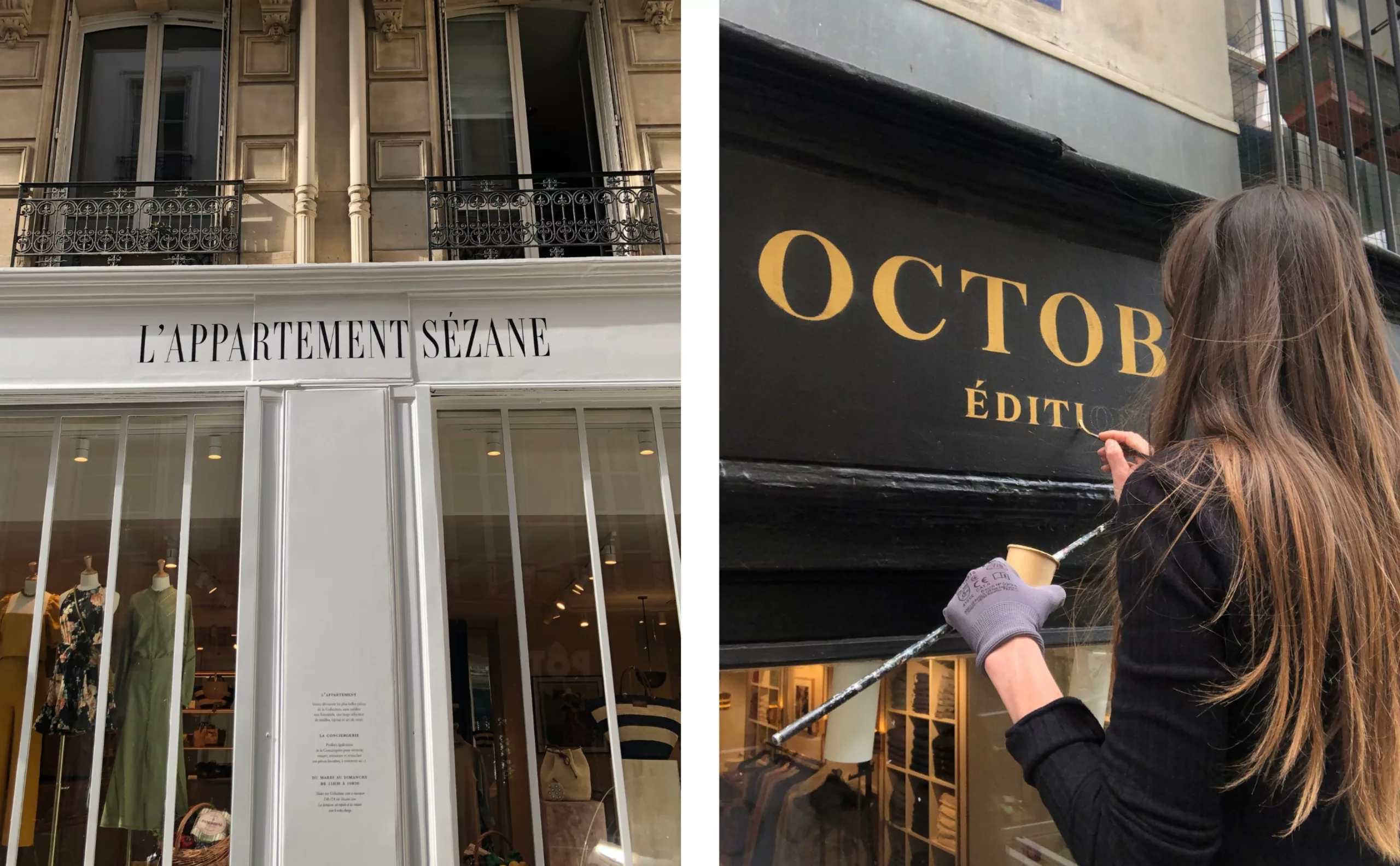
New career paths are emerging in the wake of COVID, as many people turn to professions that are meaningful or foster human connections. Hand-painted signs offers a counterpoint to our standardised, fast-paced era. “Letter painting fulfils a need of our time: it is a meaningful profession. It is becoming a vocation for a new generation of creative people (…). Many of them aspire to rediscover a manual dimension in their work, to become, in a sense, artisan graphic designers,” emphasises Morgane Côme.
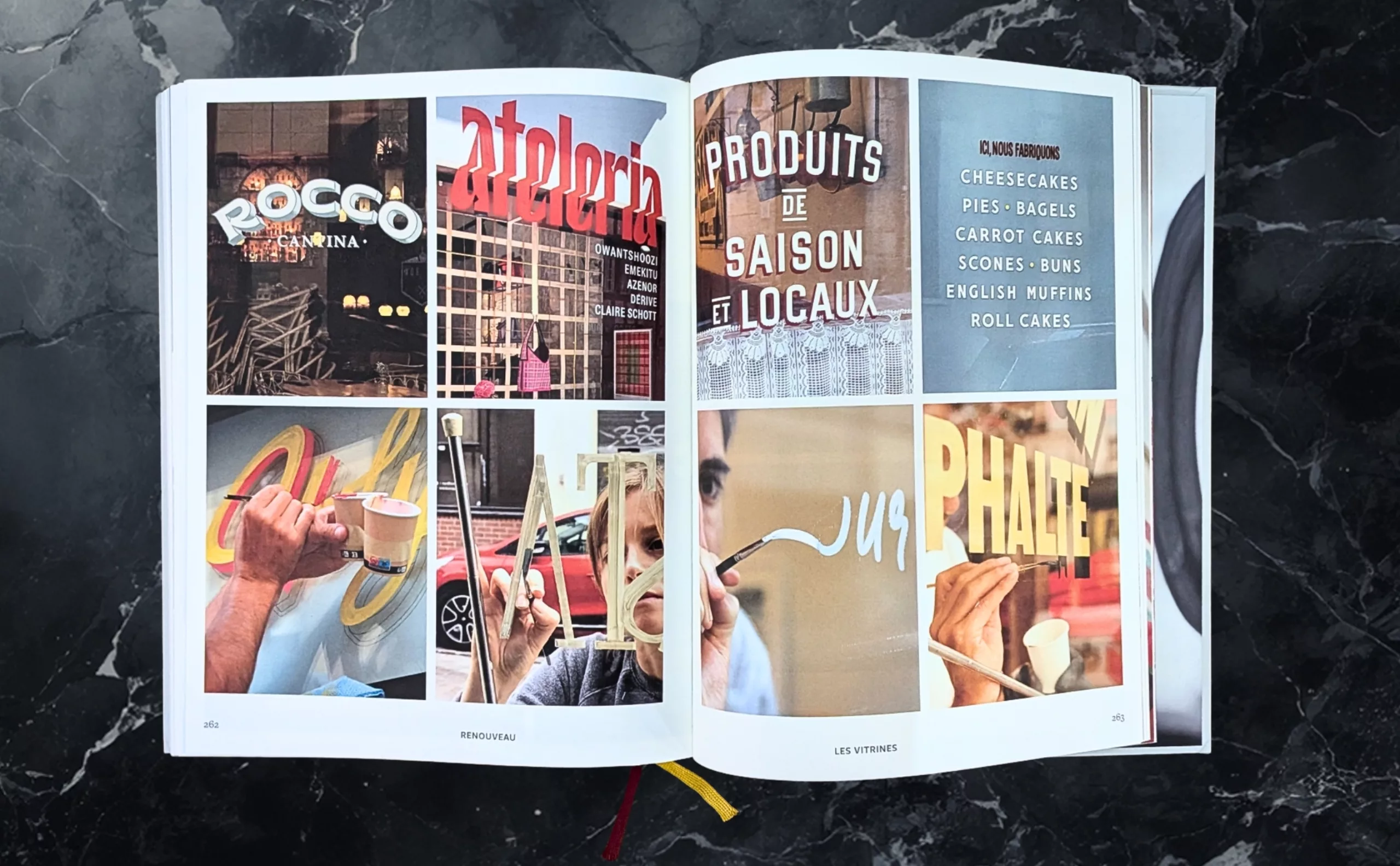
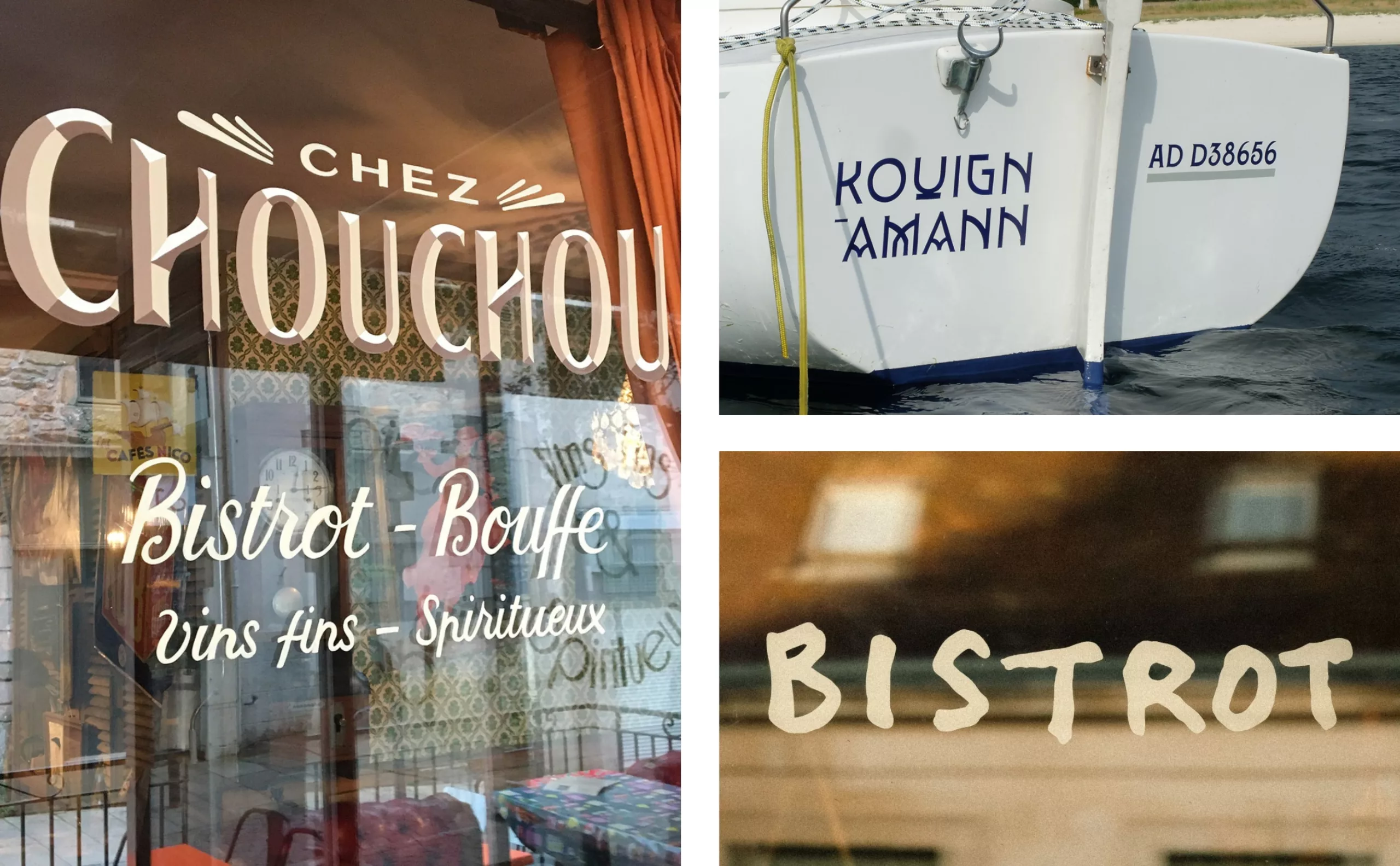
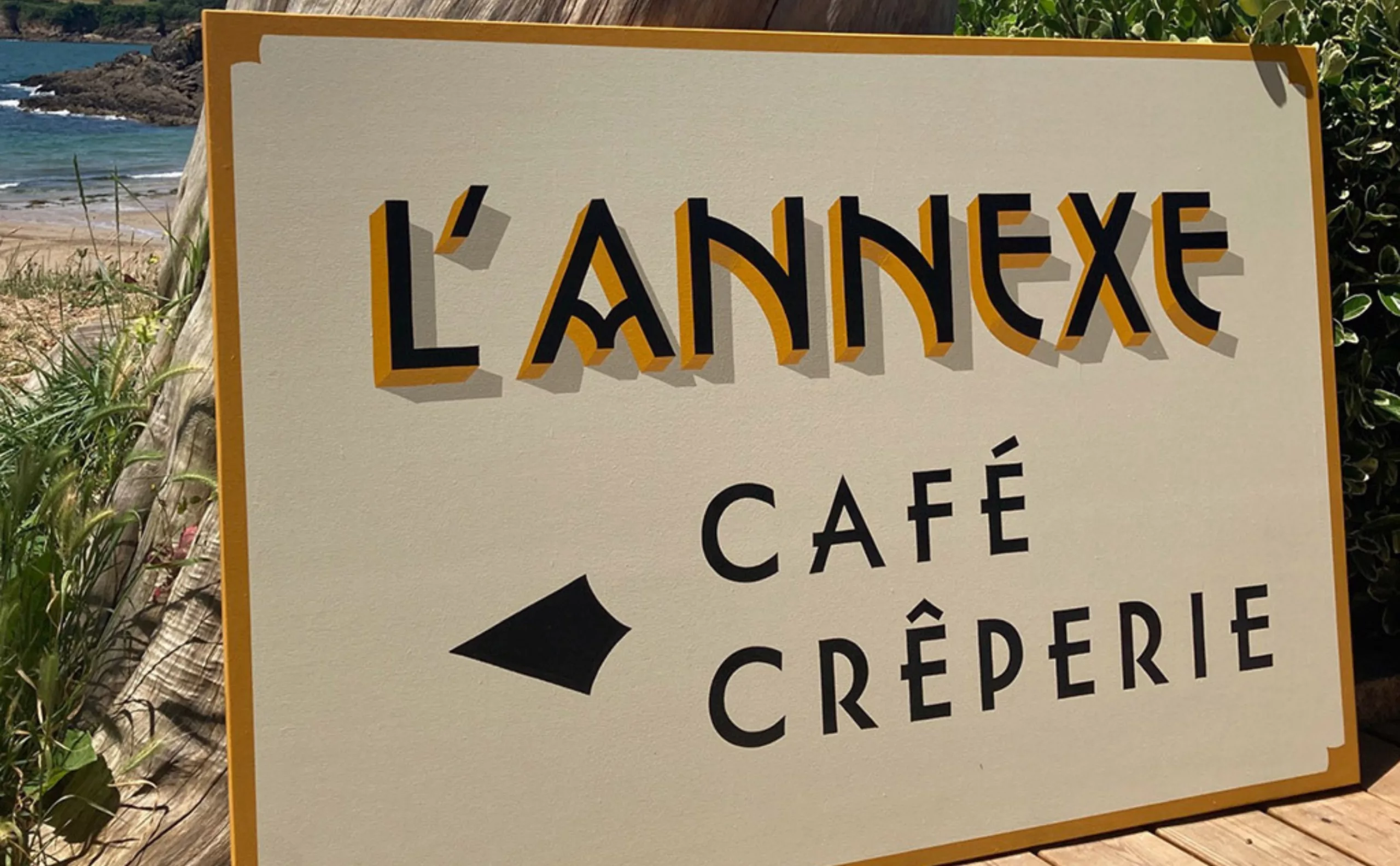
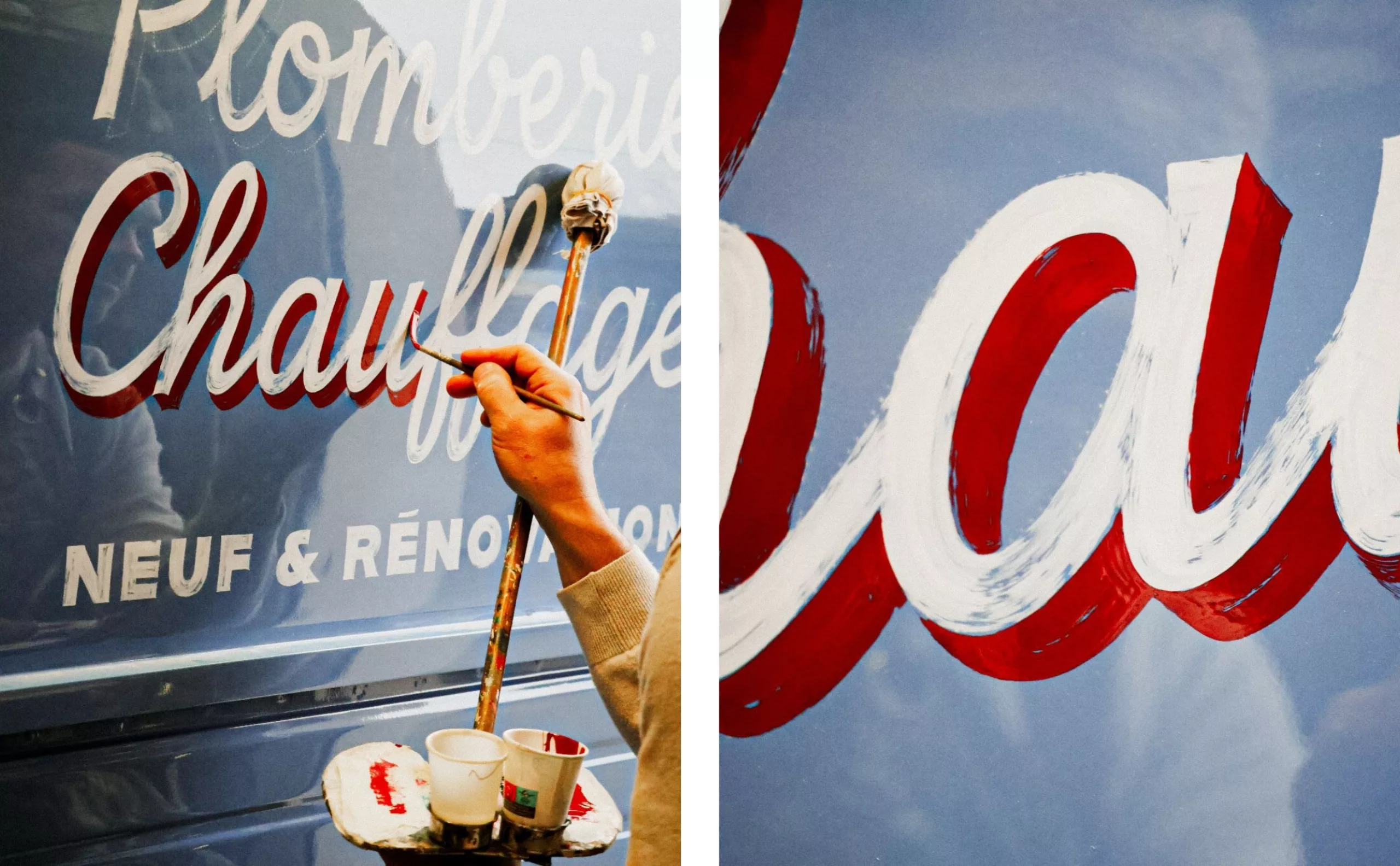
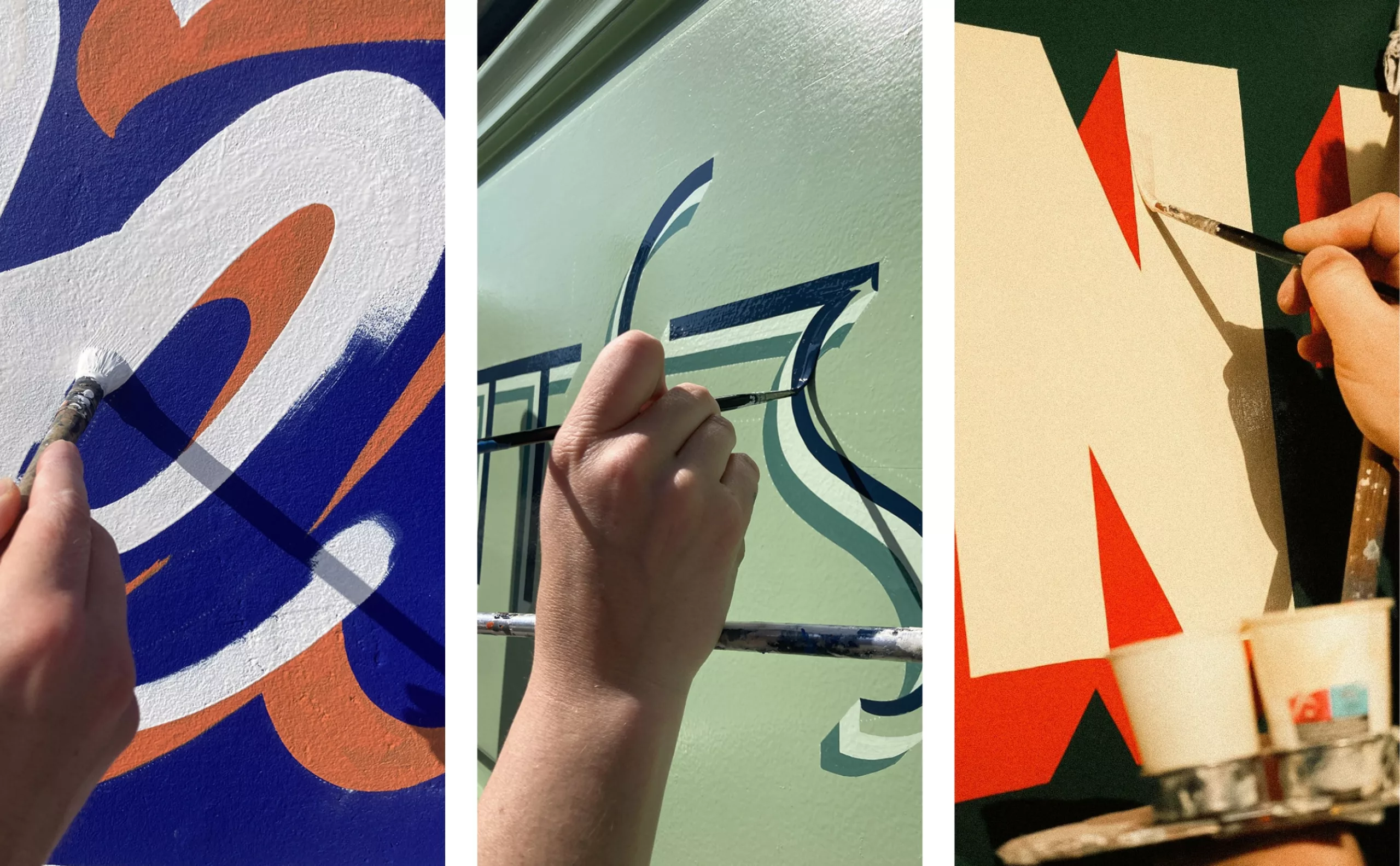
Today’s lettering draws inspiration from the typefaces of yesteryear, yet also knows how to reinvent itself. Some painters are involved in creating film sets, such as François Morel, who works regularly for Wes Anderson.
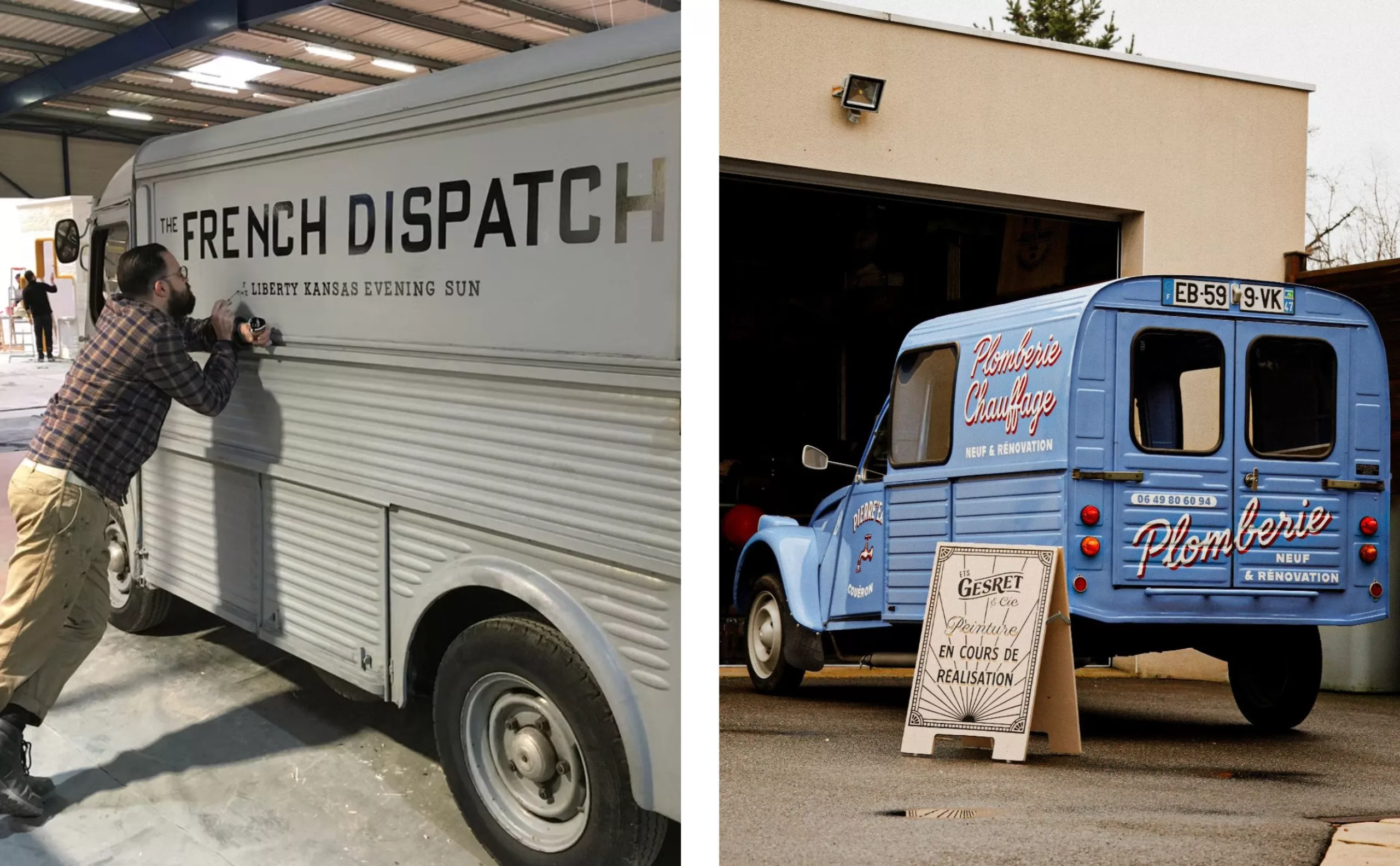
Treating yourself to a shopfront with hand-painted lettering means embracing the long term, looking to the future, declaring your love for craftsmanship with all its delightful imperfections, celebrating people rather than machines, and paying homage to the old shopfronts you used to admire as a child.
Virginie from The Cheerletter explains that, despite the recurring comments from some passers-by, she enjoys this outdoor job, meeting passionate shop owners and travelling around, which makes her feel as though she isn’t actually working. Letter painters regularly get together at events such as Martre in France, or Letterheads around the world.
Finally, it is worth highlighting the richness of other regions which have also nurtured the culture of painted letters, such as Senegal, Turkey and India. The blag website lists the vast majority of them.

The Alfons Mucha exhibition in Lyon, the return of film cameras or dumbphones, and the widespread use of rounded, curvilinear typefaces… are all signs of an era weary of rigid minimalism, the all-digital world and the widespread standardisation of visual tastes.
We want imperfection, graphic mishaps, a handmade feel: we want life!
Further reading:
– Morgane Côme
– Find the book Peinture en lettres in bookshops
– Virginie, The Cheerletter
– Ets Gesret
– Marte, the lettering artists’ event in France
– Letterheads, an international event
On the subject
-

When the Anatome gallery was the place to be for graphic design in Paris
For a long time, Paris did not have a specific space for exhibiting graphic design. It was not until the turn of the 20th century, in 1999, that Marie-Anne Couvreu and Henri Meynadier opened the Anatome gallery. For more than 12 years, they have taken up the challenge of promoting and bringing to life the diversity of graphic design. For a long time, Paris did not have a specific space for exhibiting graphic design. It was not until the turn of the 20th century, in 1999, that Marie-Anne Couvreu and Henri Meynadier opened the Anatome gallery. For more than 12 years, they have taken up the challenge of promoting and bringing to life the diversity of graphic design.
-
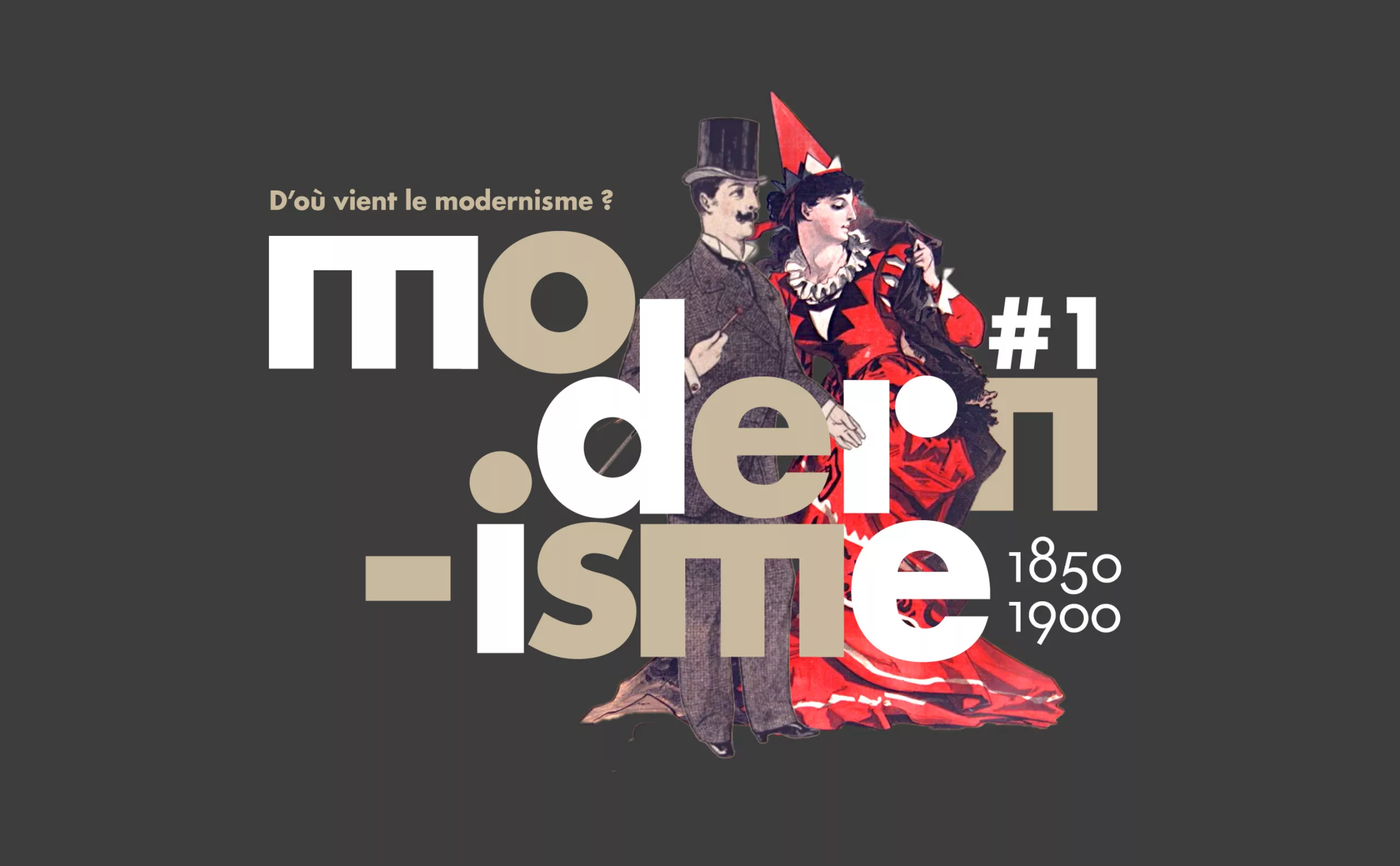
Where does modernism come from? 1 – Man propelled by Modernity
Episode #1. To understand modernism, we need to understand its relationship with modernity, and its meteoric rise at the end of the 19th century.
-
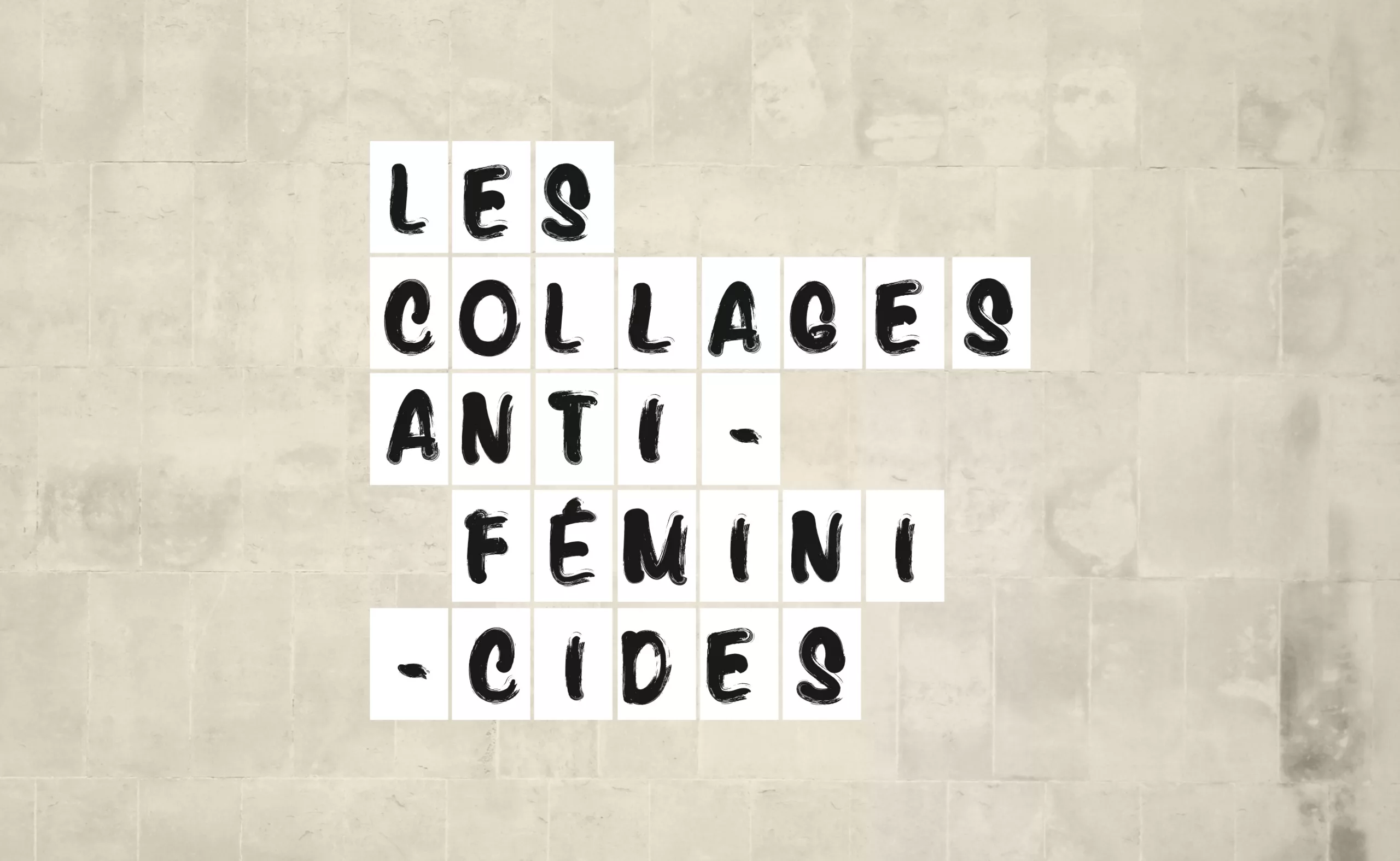
The branding of a social movement: Collages against feminicides
Why and how anti-feminicide collages, through their “graphic charter” as simple as it is powerful, have opened a wide breach in the public debate.
An opportunity to try to untangle how the “branding of a social movement” differs from the “classic branding of brands”.